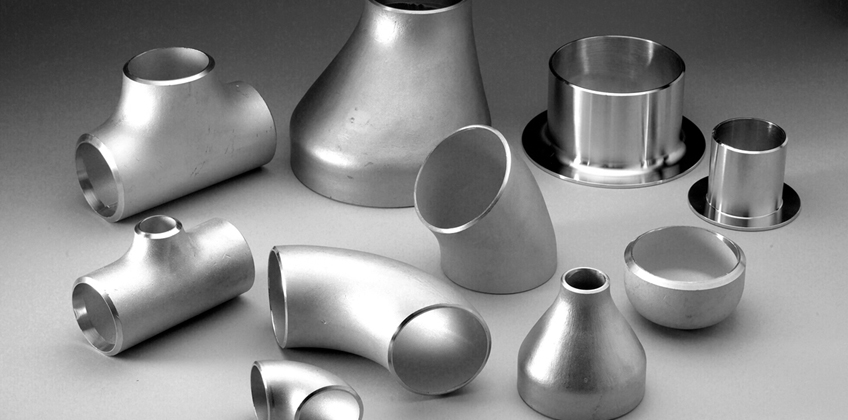
Steel pipe joints are crucial components in various industrial applications, playing a vital role in ensuring structural integrity and fluid transfer efficiency. Proper installation of these joints is essential to maintain the performance and longevity of piping systems. This article delves into the fundamentals of steel pipe joint installation, offering valuable insights into the different types of joints, installation procedures, and common challenges faced during the process.
Types of Steel Pipe Joints
Understanding the different types of steel pipe joint is essential for selecting the right solution for specific applications. Here are some common types:
- Butt-weld Joints: These involve welding the ends of two pipes. They provide a seamless connection, ensuring strength and durability.
- Socket-weld Joints: Used primarily for small-diameter pipes, these joints involve inserting one pipe into the socket of another and welding around the outer edge.
- Threaded Joints: Ideal for low-pressure applications, these joints involve screwing one pipe into another. They are easy to install and disassemble.
- Flanged Joints: These consist of two flanges bolted together. They are suitable for high-pressure applications and allow easy disassembly for maintenance.
Installation Procedures
Preparation
Proper preparation is crucial for a successful installation. It involves:
- Material Inspection: Ensure all materials meet the required specifications and are free from defects.
- Surface Cleaning: Clean the pipe ends and joint surfaces to remove any debris or contamination that could affect the joint’s integrity.
- Alignment: Ensure pipes are properly aligned to prevent stress on the joints during operation.
Joining Process
Depending on the type of joint, the joining process may vary. Below are general steps for some common joint types:
- Butt-weld Joints: Align the pipes and tack weld them in place. Complete the weld using the appropriate welding technique.
- Socket-weld Joints: Insert the pipe into the socket and weld around the outer edge. Ensure a strong, leak-proof seal.
- Threaded Joints: Apply thread sealant to the male threads and screw the pipes together, ensuring a tight fit.
- Flanged Joints: Align the flanges, insert the gasket between them, and tighten the bolts in a cross pattern to ensure even pressure distribution.
Challenges and Solutions
Installing steel pipe joints can present several challenges. Addressing these effectively is essential for a successful installation:
- Misalignment: This can cause stress on the joints, leading to leaks or failure. Use alignment tools to ensure pipes are properly aligned before joining.
- Contamination: Dirt or oil on the joint surfaces can compromise the joint’s integrity. Clean all surfaces thoroughly before installation.
- Improper Welding: Poor welding can lead to weak joints. Ensure welders are properly trained and follow the correct procedures.
Conclusion
Understanding the basics of steel pipe joint installation is essential for ensuring the reliability and efficiency of piping systems. By choosing the appropriate type of joint, following proper installation procedures, and addressing potential challenges, one can achieve a robust and long-lasting connection. As industries continue to rely on high-quality piping systems, the knowledge of proper installation techniques remains invaluable.