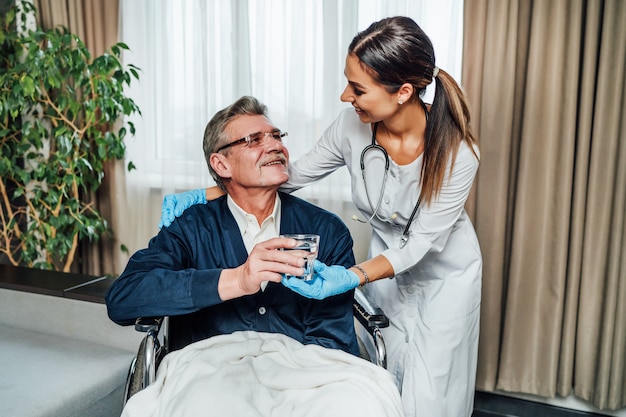
As the global population ages, the demand for compassionate senior care assistance continues to grow. Providing quality care to the elderly is not only a moral imperative but also a societal necessity. Senior care encompasses a wide range of services, each tailored to meet the unique needs of older adults, ensuring they live their lives with dignity, independence, and the best quality of life possible. It is essential to understand why compassionate care is critical and how it impacts the lives of seniors and their families.
The Essence of Compassion in Senior Care
Compassion is the cornerstone of effective senior care. It involves more than just attending to the physical needs of the elderly; it also includes addressing their emotional and psychological well-being. Compassionate care helps create a nurturing environment where seniors feel valued and respected.
Benefits of Compassionate Care
- Emotional Support: Compassionate caregivers provide much-needed emotional support, reducing feelings of loneliness and depression among seniors.
- Improved Health Outcomes: Seniors who receive empathetic care often experience better physical and mental health outcomes.
- Enhanced Quality of Life: A caring environment empowers seniors to engage in meaningful activities, improving their overall quality of life.
- Peace of Mind for Families: Knowing their loved ones are in compassionate hands gives families peace of mind.
Challenges Faced by Seniors
As individuals age, they encounter various challenges that can impact their daily lives. Understanding these challenges is crucial for providing effective assistance. Some common challenges include:
- Health Issues: Seniors often face chronic health conditions that require regular attention and management.
- Mobility Limitations: Physical limitations can make it difficult for seniors to perform daily tasks independently.
- Cognitive Decline: Conditions like dementia and Alzheimer’s disease can affect memory and cognitive function.
- Social Isolation: Reduced social interactions can lead to feelings of isolation and loneliness.
Role of Professional Caregivers
Professional caregivers play a pivotal role in providing senior care. Their expertise and training equip them to handle the diverse needs of the elderly population effectively.
Key Responsibilities
- Personal Care Assistance: This includes helping seniors with activities of daily living such as bathing, dressing, and grooming.
- Medical Support: Caregivers assist with medication management and accompany seniors to medical appointments.
- Companionship: Providing companionship and engaging seniors in social activities to combat loneliness.
- Household Management: Helping with light housekeeping, meal preparation, and other domestic tasks.
The Future of Senior Care
With the aging population on the rise, the future of senior care will demand innovative solutions and a greater emphasis on compassionate care models. Technology will continue to play a significant role in enhancing care delivery, enabling caregivers to provide more personalized and efficient services. However, the human touch will remain irreplaceable. Compassionate care will always be at the heart of effective senior assistance, ensuring that older adults receive the respect and attention they deserve in their golden years.