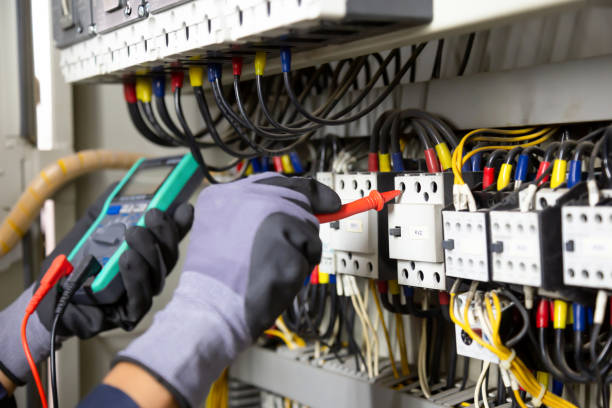
Embarking on DIY electrical repairs can be a rewarding venture, offering both cost savings and the satisfaction of resolving issues independently. However, safety and precision are paramount. Understanding the basic principles of electrical systems and recognizing when to seek professional help are crucial for any homeowner. With the right knowledge and tools, certain electrical repairs can be tackled safely, improving your home’s functionality and efficiency.
Understanding the Basics
Before diving into any electrical work, it is essential to have a fundamental understanding of your home’s electrical system. This includes knowing the location of the main electrical panel and familiarizing yourself with the circuit breakers. Here are some key points:
- Identify the main circuit breaker and ensure it is easily accessible.
- Understand the function of individual circuit breakers and which areas of your home they control.
- Learn about the common electrical symbols and terms used in wiring diagrams.
Tools and Safety Gear
Having the right tools and safety gear is essential for any DIY electrical project. Ensure you have:
- Insulated screwdrivers and pliers to prevent electrical shock.
- A voltage tester to confirm circuits are de-energized before starting work.
- Safety goggles and gloves to protect against sparks and sharp objects.
Common DIY Electrical Repairs
With the correct preparation, several common electrical issues can be addressed by homeowners. However, if you’re ever in doubt, consider reaching out to a professional electrical home repair service.
Replacing a Light Fixture
Replacing a light fixture is a straightforward job if done with care:
- Turn off the power to the fixture at the circuit breaker.
- Remove the old fixture, noting the wiring connections.
- Connect the new fixture, ensuring secure and proper wiring.
- Test the new fixture to ensure it is functioning correctly.
Repairing a Faulty Outlet
Fixing a non-working electrical outlet can often be achieved with simple steps:
- Ensure the circuit breaker is off before starting.
- Remove the outlet cover and check for loose connections or damaged wires.
- Tighten connections or replace wires as necessary.
- Reassemble and test the outlet for proper function.
When to Call a Professional
While many homeowners can handle minor electrical repairs, certain situations require professional expertise. Complex repairs, such as those involving the main electrical panel or extensive rewiring, should be left to professionals. Engaging an expert in electrical maintenance services ensures the job is done safely and in compliance with codes.
The Importance of Regular Maintenance
Regular maintenance can prevent many common electrical problems from arising. Routine inspections and upkeep are vital components of electrical preventive maintenance services. Benefits include:
- Early detection of potential issues, reducing the risk of costly repairs.
- Improved energy efficiency and reduced utility bills.
- Enhanced safety, minimizing the risk of electrical fires or shocks.
By combining DIY knowledge with professional electrical services when necessary, homeowners can maintain a safe and efficient electrical system. Whether tackling simple tasks or opting for professional assistance, safety and adherence to electrical standards should always be priorities.