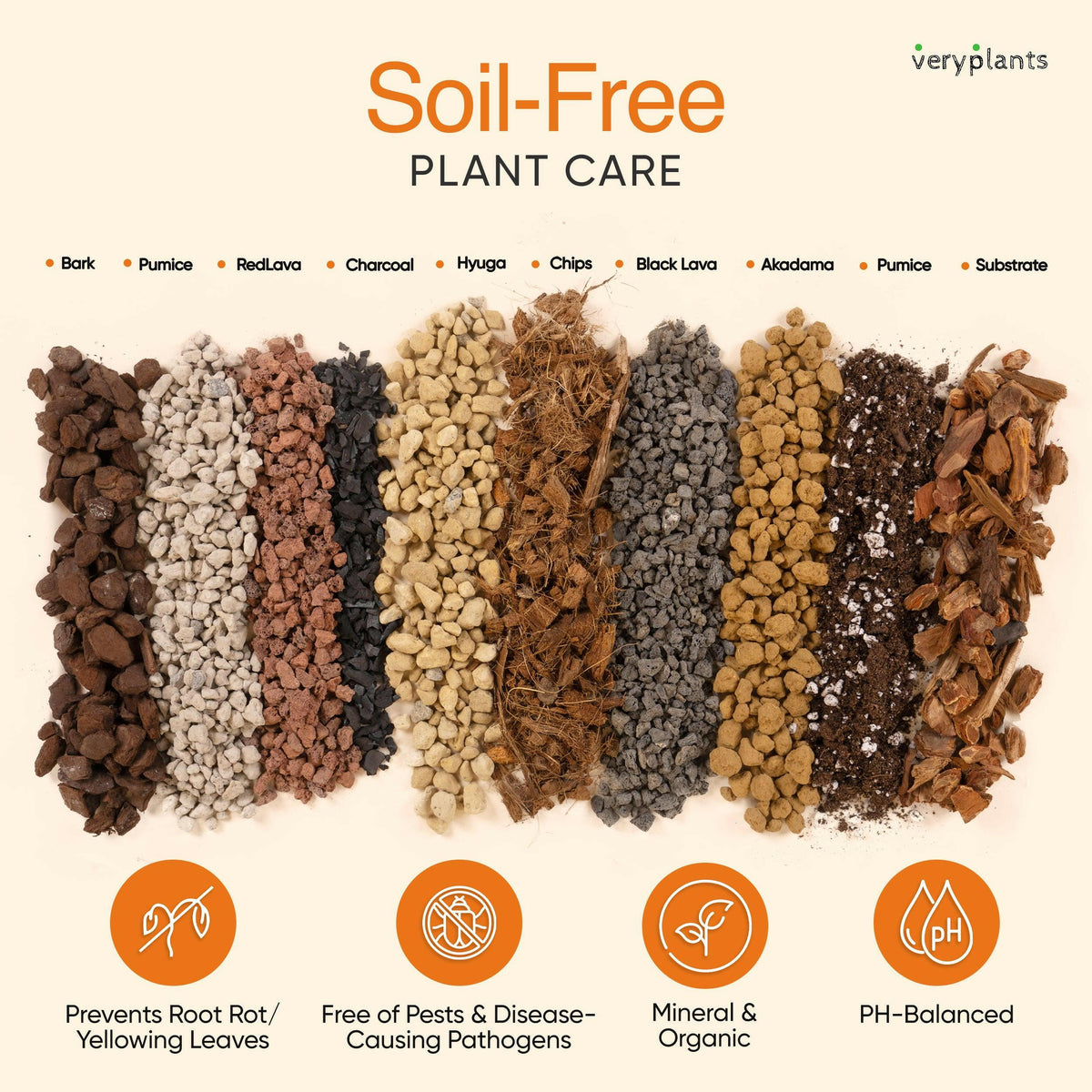
Orchids are among the most exquisite and rewarding plants to grow, but they require specific care to thrive. One of the most critical aspects of orchid care is selecting the right potting soil. Unlike typical houseplants, orchids do not grow in regular soil. Their roots need air, moisture, and the right support to grow healthily. The selection of a suitable orchid potting mix can make a significant difference in their flowering and longevity. This article delves into the components of orchid potting soil and provides guidance on how to choose the best option for your orchid’s success.
Understanding Orchid Potting Soil
Unlike traditional soil, orchid potting soil is designed to replicate the natural environment of orchids. Native to tropical and subtropical regions, many orchids are epiphytes, meaning they grow on other plants rather than in soil. This unique growth habit necessitates a potting medium that provides:
- Excellent drainage to prevent root rot
- Sufficient aeration to allow roots to breathe
- A stable base to support the plant
Key Ingredients in Orchid Potting Mix
Bark
Bark, usually from fir or pine, is a common component of orchid mixes. It offers excellent drainage and aeration, making it ideal for many orchid species.
Sphagnum Moss
Known for its moisture retention properties, sphagnum moss is often mixed with other ingredients to maintain a balanced moisture level without waterlogging.
Perlite
Perlite is a lightweight, volcanic glass that improves aeration and drainage. Its inclusion is vital for preventing compaction and facilitating root health.
Factors to Consider When Choosing Orchid Potting Soil
Selecting the right mix involves understanding the specific needs of your orchid species. Consider the following:
- Species Requirements: Different orchids have varied requirements. For instance, Phalaenopsis orchids prefer a bark-based mix, while Paphiopedilums may thrive better with added sphagnum moss.
- Humidity Levels: In high-humidity environments, a mix with more bark may be suitable, while drier conditions might necessitate a higher content of moisture-retaining materials like sphagnum moss.
- Watering Habits: If you tend to overwater, opt for a mix that enhances drainage. Conversely, if you under-water, a mix that retains moisture could be beneficial.
Repotting Your Orchid
Repotting is an essential part of orchid care, typically needed every one to two years. The best time to repot is when new growth begins. During repotting, ensure the root system is healthy and trim any dead or rotting roots. Choose a pot with drainage holes and consider the size carefully; orchids often thrive in slightly smaller pots.
Conclusion
Selecting the right orchid potting soil is a pivotal step in ensuring your plant’s health and vitality. By understanding the needs of your orchid and the characteristics of different potting materials, you can create an optimal growing environment. Whether you are a novice or an experienced grower, the right choice of potting mix will pave the way for beautiful blooms and a thriving orchid.