Indoor gardening enthusiasts often seek alternatives to traditional soil to cultivate their plants. Traditional potting soil can be heavy, prone to pests, and may not provide the best conditions for certain types of plants. Utilizing soil alternatives for indoor plants can significantly enhance the growth and health of indoor flora. This article explores some of the top alternatives to soil that ensure robust indoor plant growth, offering a cleaner and often more effective solution.
Coconut Coir
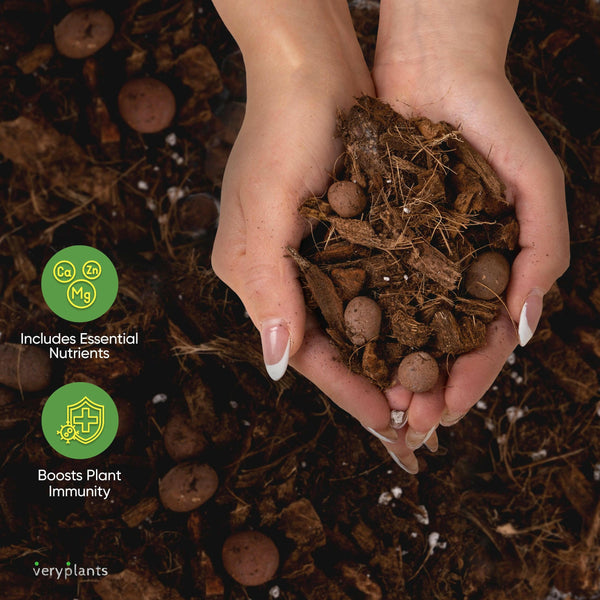
Coconut coir is a popular choice among indoor gardeners due to its lightweight and sustainable qualities. Derived from the husks of coconuts, it provides excellent water retention and aeration, creating an ideal environment for root growth.
- Environmentally friendly and sustainable
- High water retention capacity
- Promotes healthy root growth due to good aeration
- pH neutral, which is suitable for a variety of plants
Perlite
Perlite is a volcanic glass that has been heated to a high temperature, causing it to expand. It is widely used in soilless potting mix due to its ability to improve aeration and drainage.
- Enhances drainage in potting mixes
- Increases air space within the soil structure
- Lightweight and easy to handle
- Helps prevent soil compaction
Vermiculite
Vermiculite is another mineral-based option that expands when heated. It is often used in conjunction with perlite to balance moisture retention and drainage in an indoor potting mix.
- Excellent for water retention
- Provides essential minerals such as magnesium and calcium
- Enhances soil aeration
- Non-toxic and sterile
Peat Moss
Peat moss is an organic material harvested from peat bogs. It is known for its ability to hold water, making it a common component in many potting mixes.
- Retains moisture well
- Lightweight and easy to mix with other materials
- Useful for acid-loving plants due to its slightly acidic pH
- Widely available and relatively inexpensive
Bark and Wood Chips
For plants like orchids and bromeliads, bark and wood chips are excellent choices. These materials mimic the natural environment of these plants and offer good aeration.
- Ideal for epiphytic plants
- Improves aeration and drainage
- Long-lasting and slow to decompose
- Provides a natural aesthetic
Charcoal
Horticultural charcoal is often used to improve drainage and control odors in potting mixes. It is particularly beneficial in terrariums and closed plant environments.
- Absorbs excess moisture
- Reduces odors and toxins
- Promotes healthy root systems
- Enhances drainage
Conclusion
Choosing the right soil alternatives for indoor plants is crucial for ensuring the health and vitality of indoor gardens. Each alternative offers unique benefits that cater to different plant needs. By exploring and selecting the best option, indoor gardeners can create optimal growing conditions for their plants, leading to thriving indoor ecosystems.