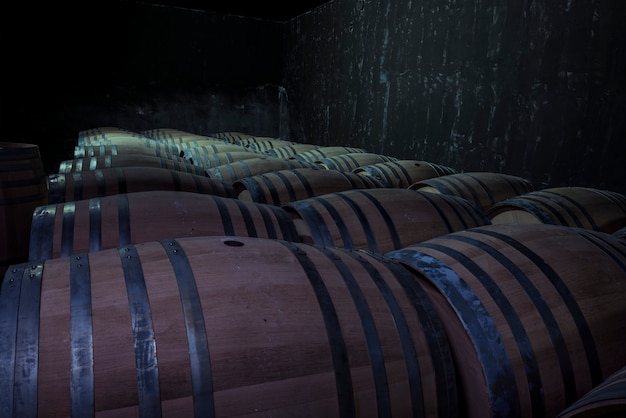
In recent years, alternative investments have gained substantial traction as investors seek to diversify their portfolios beyond traditional stocks and bonds. One such intriguing option is the investment in whiskey barrels, which has captured the attention of both novice and seasoned investors. This unique asset class not only combines the allure of a tangible product but also offers the potential for significant returns, driven by the growing global demand for premium whiskey. As investors explore avenues to enhance their portfolios, understanding the intricacies of whiskey barrel investment becomes crucial.
The Appeal of Whiskey Barrel Investment
Whiskey barrel investment offers several compelling benefits that make it an attractive option for those looking to diversify their asset portfolio:
- Tangible Asset: Unlike traditional financial instruments, whiskey barrels represent a physical product that can be stored and matured over time, increasing in value as the whiskey ages.
- Limited Supply: The production of whiskey is inherently limited by factors such as distillation capacity and aging requirements, creating a scarcity that can drive up value.
- Potential for High Returns: Historical data suggests that investing in whiskey barrels can yield impressive returns, particularly for those who invest in high-quality casks.
- Hedge Against Inflation: As an asset that tends to appreciate over time, whiskey barrels can serve as a hedge against inflationary pressures.
Understanding the Investment Process
Choosing the Right Cask
Investing in whiskey barrels begins with selecting the right cask. The type of cask, the distillery of origin, and the age of the whiskey are crucial factors that influence its potential value. When looking to invest in whisky casks, consider the following:
- Distillery Reputation: Casks from renowned distilleries often command higher prices due to brand recognition and prestige.
- Age of Whiskey: Older whiskey typically fetches higher prices, making the age of the cask a significant consideration.
- Type of Cask: Different cask types, such as bourbon, sherry, or wine barrels, impart distinct flavors, impacting desirability and value.
Storage and Maturation
Proper storage conditions are vital for the successful maturation of whiskey. Investors should ensure that their barrels are stored in bonded warehouses, where temperature and humidity are carefully controlled. This environment allows the whiskey to develop its unique flavor profile, ultimately contributing to its value as a whiskey barrel investment.
Risks and Considerations
While whiskey barrel investment presents exciting opportunities, it is not without risks. Investors should be aware of potential challenges, including:
- Market Volatility: As with any investment, market conditions can influence the value of whiskey barrels, requiring careful market analysis and timing.
- Storage Costs: The cost of storage and insurance must be factored into the overall investment strategy to ensure profitability.
- Regulatory Changes: Changes in regulations or taxation policies could impact the whiskey market, affecting investment returns.
The Future of Whiskey Barrel Investment
The outlook for whiskey barrel investment remains promising, driven by an increasing global appetite for premium spirits. As emerging markets continue to embrace whiskey culture, demand is expected to rise, potentially enhancing the value of well-selected whiskey casks. For investors keen on exploring this alternative asset class, understanding the nuances of whiskey cask investment and staying informed about market trends will be key to unlocking its full potential.
In conclusion, while whiskey barrel investment offers a unique opportunity for portfolio diversification and potential high returns, it requires careful consideration and due diligence. By understanding the market dynamics, selecting quality casks, and managing risks effectively, investors can capitalize on the burgeoning demand for this timeless spirit.