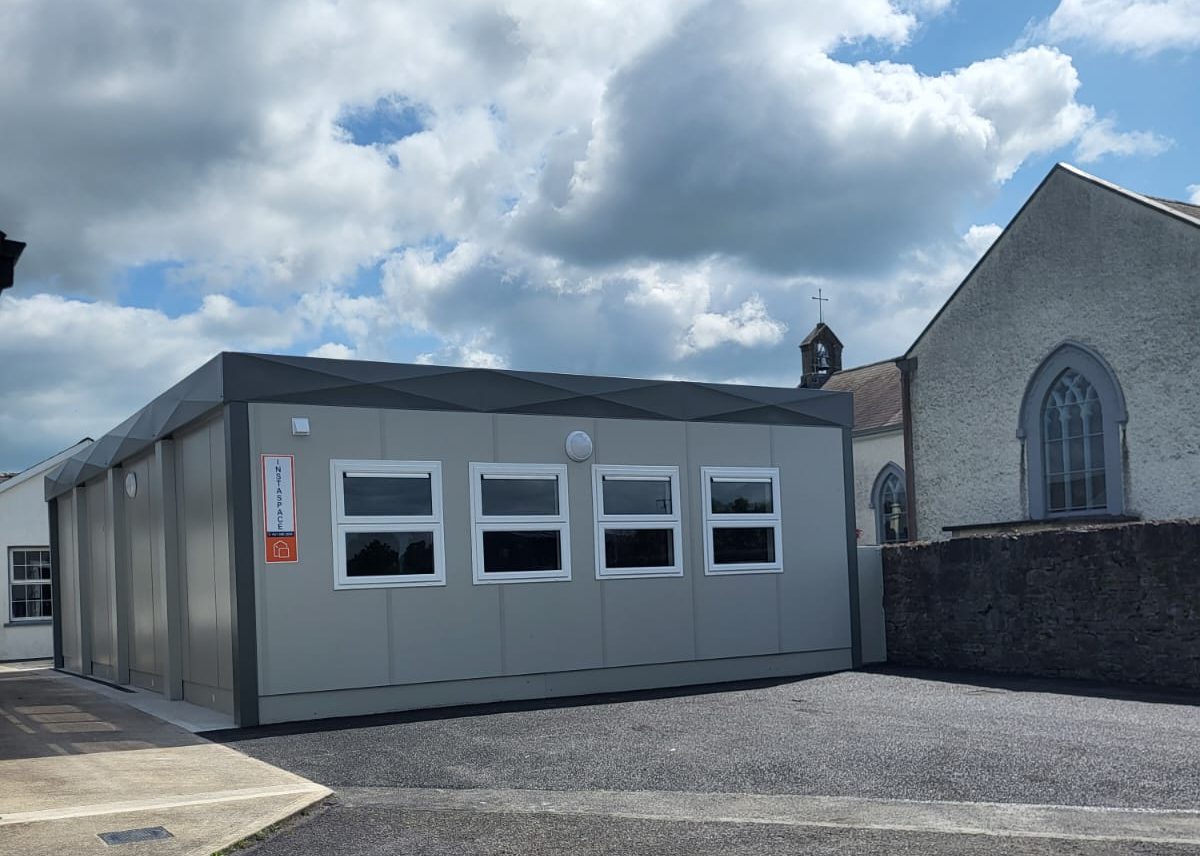
As educational needs continue to evolve, schools and educational institutions are searching for innovative ways to address space constraints and enhance learning environments. In Ireland, the trend towards utilizing modular buildings for preschool education has gained significant traction. These customizable modular structures offer a flexible, cost-effective solution to accommodate the growing demand for preschool education and provide a conducive environment for early childhood development.
Advantages of Modular Preschool Buildings
Modular preschool buildings present numerous benefits that align with the dynamic requirements of modern education. They are designed to be adaptable, ensuring that educational spaces can be tailored specifically to the developmental needs of young learners.
- Flexibility and Customization: Modular buildings can be easily customized to fit the specific needs of a preschool. From classroom layouts to specialized play areas, these structures provide the flexibility to create a tailored learning environment.
- Cost-Effectiveness: Compared to traditional construction, modular buildings are more cost-effective. They require less time to build and install, reducing both labor costs and disruption to existing school operations.
- Environmental Sustainability: Many modular buildings are constructed using sustainable materials and methods, promoting eco-friendly practices within the educational sector.
- Rapid Deployment: The construction and installation of modular buildings are significantly faster than traditional buildings, making them an ideal choice for schools needing quick expansion solutions.
To understand the full scope of benefits, learn about our tailored solutions that emphasize flexibility and efficiency in educational settings.
Design Considerations for Modular Preschool Buildings
Safety and Accessibility
In designing modular preschool buildings, safety and accessibility are paramount. The structures should adhere to the highest safety standards to ensure a secure environment for children.
- Compliance with local building codes and regulations.
- Incorporation of child-friendly materials and designs to minimize risk.
- Accessibility features such as ramps and wide doorways to accommodate all children.
For detailed guidelines on creating a safe and accessible learning space, explore advanced guides and tips.
Innovative Learning Spaces
The design of modular preschools should foster creativity and exploration. This involves creating versatile spaces that can adapt to various learning activities.
- Open-plan classrooms to facilitate play-based learning.
- Dedicated areas for interactive activities and group work.
- Outdoor learning spaces that integrate nature into education.
Discover expert strategies here to maximize the potential of modular learning environments.
Implementation Process
Implementing modular preschool buildings involves a streamlined process that allows for swift deployment without compromising on quality.
- Planning and Design: Initial planning involves collaboration with educational experts to design a space that complements current curriculum needs.
- Manufacturing: Modular components are manufactured off-site in a controlled environment, ensuring precision and quality control.
- Installation: Once delivered to the site, the modular units are assembled quickly, minimizing disruption to the existing school environment.
Find out more about this approach to optimize space and resources for educational institutions by visiting this informative resource.
Conclusion
Customizable modular preschool buildings in Ireland represent a forward-thinking solution to the challenges faced by educational institutions today. By offering flexible, sustainable, and efficient options, these structures not only meet the immediate needs of schools but also provide an adaptable framework for future growth and development. As the demand for educational space continues to rise, modular buildings stand out as a viable and innovative approach to enhancing early childhood education environments.