Pre-workout supplements have become a staple in many athletes’ and fitness enthusiasts’ routines, offering a blend of ingredients designed to boost energy, focus, and performance during training. While the market is saturated with countless formulas, understanding the core benefits can help individuals make informed choices that align with their goals. This article breaks down the physiological and practical advantages of pre-workout supplementation, highlights key components to look for, and provides guidance on integrating these products safely into a training regimen.
Why Use a Pre-Workout Supplement?
When a workout begins, the body must quickly mobilize energy stores, increase blood flow to working muscles, and sharpen mental focus. Pre-workout formulas are engineered to accelerate these processes, leading to more productive sessions. The primary benefits include:
- Enhanced Energy Production: Stimulants such as caffeine raise alertness and reduce perceived effort, allowing for higher intensity work.
- Improved Blood Flow: Vasodilators like nitric-oxide precursors expand blood vessels, delivering oxygen and nutrients more efficiently.
- Increased Muscle Endurance: Ingredients such as beta-alanine buffer lactic acid, delaying fatigue.
- Focused Mental Clarity: Nootropic compounds support concentration, helping athletes maintain proper form and technique.
Key Ingredients and Their Functions
Caffeine
Caffeine is the most researched stimulant in sports nutrition. Doses between 150-300″?mg are typical for pre-workouts, providing a noticeable boost in alertness without excessive jitteriness when timed correctly.
Beta-Alanine
Beta-alanine increases carnosine levels in muscle tissue, which helps neutralize hydrogen ions that cause the burning sensation during high-intensity effort. Consistent use can improve performance in activities lasting 1-4 minutes.
Creatine Monohydrate
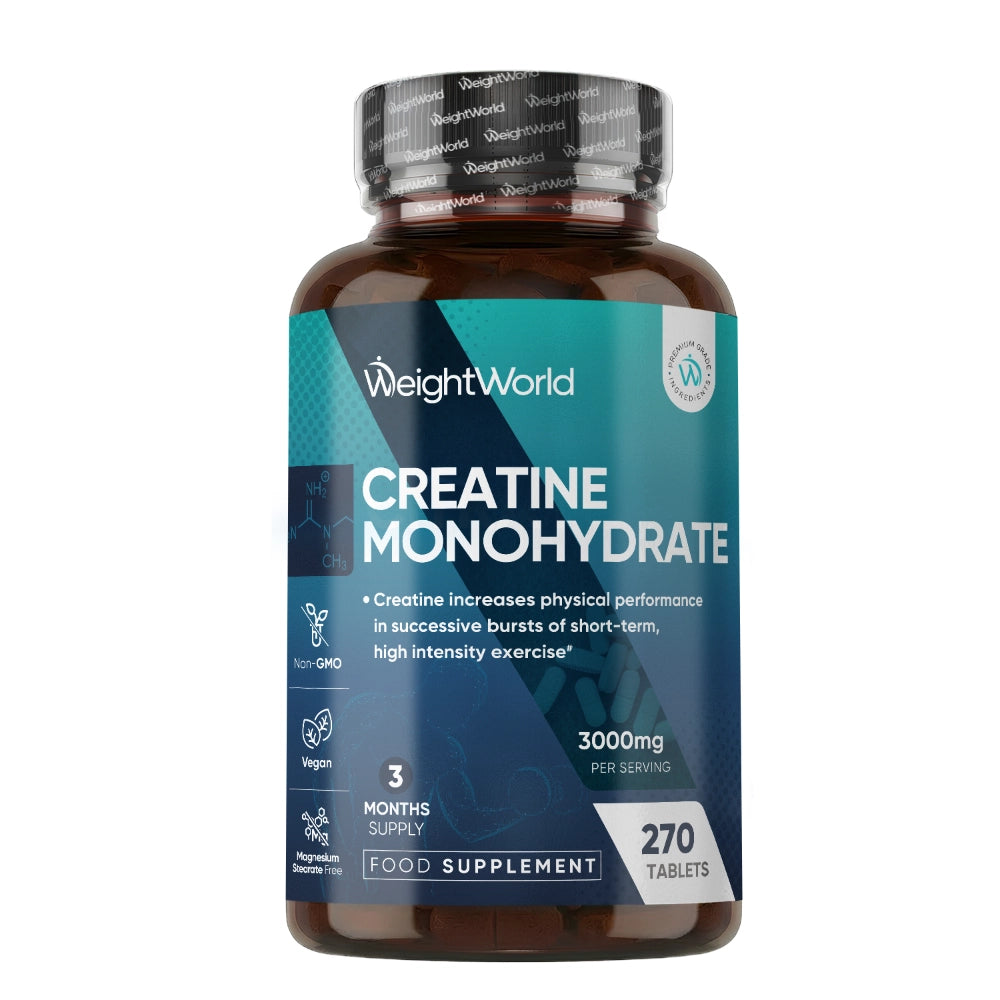
While often taken as a separate loading phase, many pre-workout blends include creatine to support rapid ATP regeneration, especially during short, explosive lifts.
Nitric-Oxide Boosters (e.g., L-Citrulline, L-Arginine)
These amino acids raise nitric-oxide production, widening blood vessels and enhancing nutrient delivery. Users frequently report better muscle pumps and reduced recovery times.
Branched-Chain Amino Acids (BCAAs)
BCAAs can protect muscle tissue from breakdown during prolonged training, making them a valuable addition for endurance athletes.
Practical Benefits for Different Training Goals
- Strength & Power Athletes: Faster ATP replenishment and heightened neural drive support heavier lifts and more repetitions.
- Endurance Performers: Improved oxygen transport and delayed fatigue enable longer sessions at higher intensities.
- Bodybuilders: Enhanced pumps increase nutrient flow to muscle fibers, potentially improving hypertrophy over time.
- Casual Gym-Goers: Increased motivation and reduced perceived effort make workouts more enjoyable, encouraging consistency.
How to Choose a Quality Pre-Workout
Selecting a supplement that aligns with personal tolerance and training objectives is crucial. Consider the following factors:
- Transparency of Labeling: Look for products that list exact ingredient amounts rather than proprietary blends.
- Stimulant Content: If sensitive to caffeine, opt for low-stimulant or stimulant-free formulas.
- Third-Party Testing: Certifications from labs such as Informed-Sport ensure purity and safety.
- Flavor and Mixability: Palatable options improve adherence.
For a curated selection of vetted formulas, Discover expert strategies here.
Timing and Dosage Guidelines
Optimal results are achieved when the supplement is taken 20-30 minutes before training. This window allows active ingredients to reach peak plasma concentrations. A typical dosing protocol includes:
- Start with half the recommended serving to assess tolerance.
- Gradually increase to the full dose if no adverse effects occur.
- Avoid taking pre-workouts within six hours of bedtime to prevent sleep disruption.
For more nuanced guidance on integrating supplements into periodized training cycles, Learn about our tailored solutions.
Potential Side Effects and Safety Considerations
When used responsibly, pre-workout supplements are generally safe for healthy adults. However, certain individuals may experience:
- Increased heart rate or palpitations (often linked to high caffeine doses).
- Skin tingling from beta-alanine, a harmless sensation known as paresthesia.
- Digestive discomfort if taken on an empty stomach.
Consulting a healthcare professional before beginning any new supplement regimen is advisable, especially for those with cardiovascular conditions, hypertension, or sensitivity to stimulants.
Integrating Pre-Workout with Nutrition and Recovery
Pre-workout supplementation works best when paired with a balanced diet and adequate recovery practices. Ensure carbohydrate intake before training to maximize glycogen stores, and prioritize post-exercise protein to support muscle repair. Hydration is also essential, as vasodilators increase fluid shifts within the body.
To explore comprehensive nutrition plans that complement pre-workout use, Explore advanced guides and tips.
Conclusion
Pre-workout supplements offer a scientifically backed means to elevate energy, focus, and performance across a range of training modalities. By understanding the role of key ingredients, selecting transparent and tested products, and adhering to proper timing and dosage, athletes can harness these benefits while minimizing risks. For those seeking a reliable source of premium pre-workout options, Find out more about this approach and make an informed choice that supports long-term fitness goals.