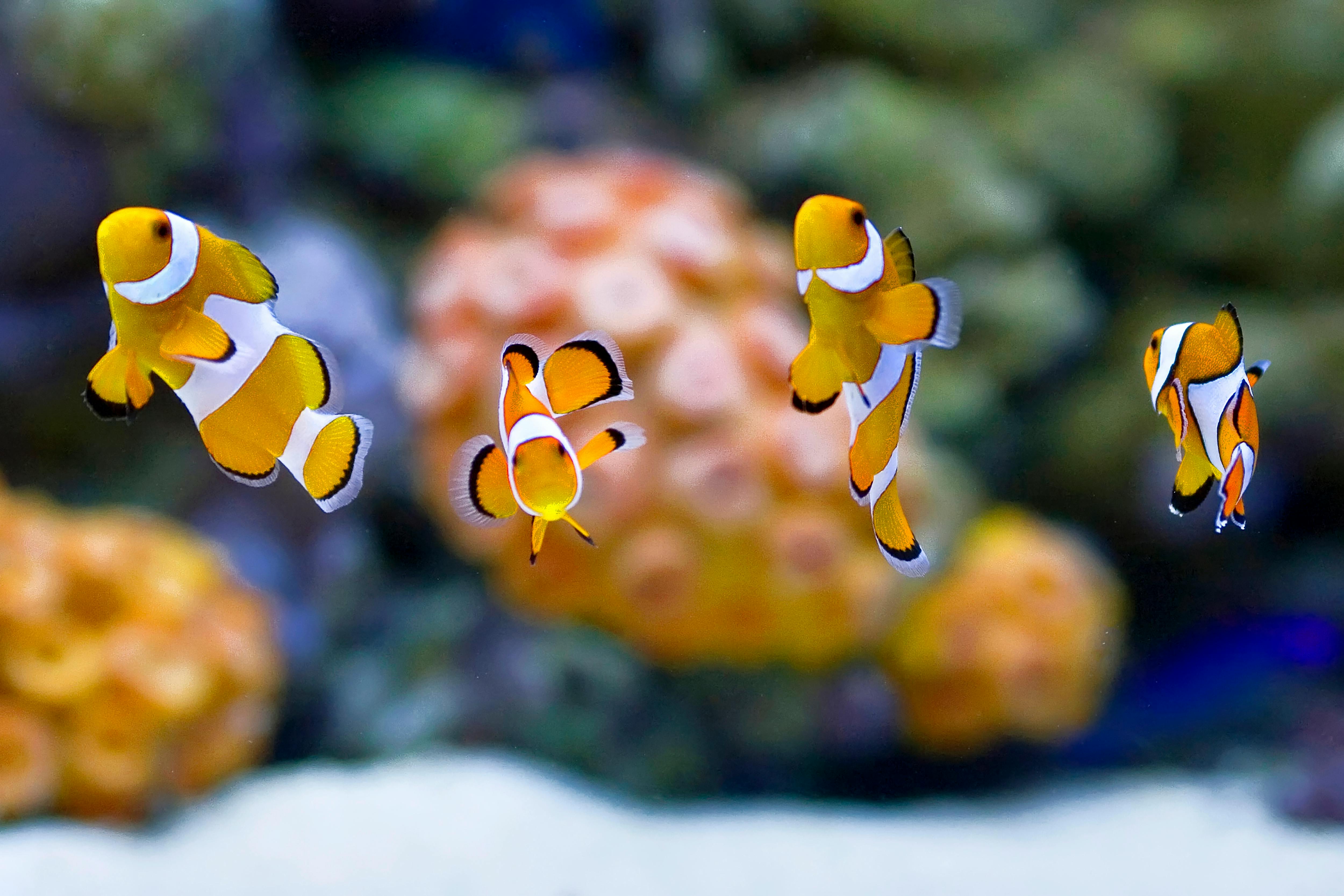
Maintaining a thriving aquarium, whether nestled in a residential living room or showcased in a bustling commercial space, requires more than occasional water changes and occasional feeding. It demands a systematic approach that balances water chemistry, equipment upkeep, biological health, and aesthetic presentation. Professional aquarium maintenance services bring together scientific knowledge, technical skill, and an eye for design, ensuring that every tank remains a vibrant, low-maintenance centerpiece. The following guide outlines the core components of expert aquarium care, highlights best-practice routines, and points to resources that deepen understanding of the process.
Key Elements of Comprehensive Aquarium Maintenance
Water Quality Management
- Regular testing of pH, ammonia, nitrite, nitrate, and hardness to keep parameters within species-specific ranges.
- Implementation of partial water changes (typically 10-20% weekly) to dilute accumulated toxins.
- Use of high-efficiency filtration media, mechanical, chemical, and biological, to maintain clarity and support beneficial bacteria.
- Seasonal adjustments for temperature and dissolved oxygen, especially in outdoor or large public displays.
Equipment Inspection & Calibration
- Routine checks of pumps, heaters, lights, and controllers for proper operation and early detection of wear.
- Calibration of digital controllers and timers to ensure consistent lighting cycles and temperature stability.
- Cleaning of glass surfaces, substrate, and d??cor to prevent algae buildup and maintain visual appeal.
Biological Health Monitoring
- Observation of fish behavior for signs of stress, disease, or aggression.
- Quarantine protocols for new arrivals to protect established populations.
- Implementation of probiotic supplements or bio-augmentation to strengthen the nitrogen cycle.
Service Workflow for Residential and Commercial Settings
- Initial Assessment: A site visit evaluates tank size, species mix, filtration capacity, and lighting design. This data informs a customized maintenance schedule.
- Scheduled Visits: Frequency ranges from weekly for high-traffic public aquariums to bi-weekly for smaller home tanks, with flexibility to address emergencies.
- Documentation: Detailed service reports log water parameters, equipment status, and any corrective actions taken, providing a transparent record for owners.
- Continuous Education: Technicians stay updated on emerging best practices, ensuring that each tank benefits from the latest advances in aquatic husbandry.
Benefits of Professional Maintenance for Homeowners
Home aquarium enthusiasts often juggle busy schedules, making consistent care challenging. Engaging a specialist service offers several tangible advantages:
- Peace of mind knowing that water chemistry remains stable, reducing the risk of fish loss.
- Extended equipment lifespan through proactive maintenance and timely part replacement.
- Enhanced visual impact, clean glass and well-balanced lighting showcase the aquarium as a focal point of interior d??cor.
- Access to expert advice on species compatibility, feeding regimes, and habitat enrichment.
For a deeper dive into how these strategies translate into everyday results, Discover expert strategies here.
Advantages for Businesses and Public Spaces
Commercial installations, restaurants, hotels, corporate lobbies, and educational facilities, use aquariums to create immersive environments that attract customers and reinforce brand identity. Professional upkeep ensures that these displays consistently deliver on their intended impact.
- Brand Consistency: A pristine tank reflects a commitment to quality, reinforcing the establishment’s reputation.
- Regulatory Compliance: Proper maintenance aligns with health and safety standards, especially in venues serving food.
- Operational Efficiency: Scheduled service minimizes downtime, preventing costly emergency repairs.
- Visitor Engagement: Healthy, active fish and vibrant plant life enhance guest experience and encourage repeat visits.
Businesses seeking tailored maintenance plans can Learn about our tailored solutions, ensuring that each aquarium aligns with operational goals and aesthetic standards.
Advanced Techniques and Emerging Trends
Modern aquarium management incorporates technology and ecological principles that go beyond traditional practices.
Automation and Remote Monitoring
- Integration of Wi-Fi-enabled controllers for temperature, lighting, and water flow, allowing real-time adjustments via smartphone apps.
- Data logging platforms that track parameter trends, enabling predictive maintenance before issues arise.
Biotope Replication
- Designing tanks that mimic specific natural habitats, Amazonian blackwater, African rift lake, or coral reef, enhances animal welfare and visual authenticity.
- Utilizing native substrate, driftwood, and plant species to create balanced ecosystems that require less intervention.
Enthusiasts and professionals alike can Explore advanced guides and tips to stay at the forefront of these innovations.
Choosing the Right Service Provider
Selecting a maintenance partner involves evaluating expertise, reliability, and alignment with specific aquarium needs. Consider the following criteria:
- Certified technicians with formal training in aquatic biology and equipment engineering.
- Transparent pricing structures and clear service agreements.
- Positive client testimonials and a portfolio of completed projects across residential and commercial sectors.
- Commitment to ongoing education and adoption of industry-leading practices.
For a comprehensive overview of evaluation factors and to see examples of successful installations, Find out more about this approach.
Conclusion
Whether enhancing a home’s living space or elevating a brand’s public image, expertly maintained aquariums deliver lasting aesthetic and ecological value. By focusing on water quality, equipment reliability, biological health, and emerging technologies, professional services ensure that each tank remains a dynamic, low-maintenance showcase. Leveraging specialized expertise not only safeguards the wellbeing of aquatic inhabitants but also maximizes the visual impact that draws viewers in and keeps them engaged.