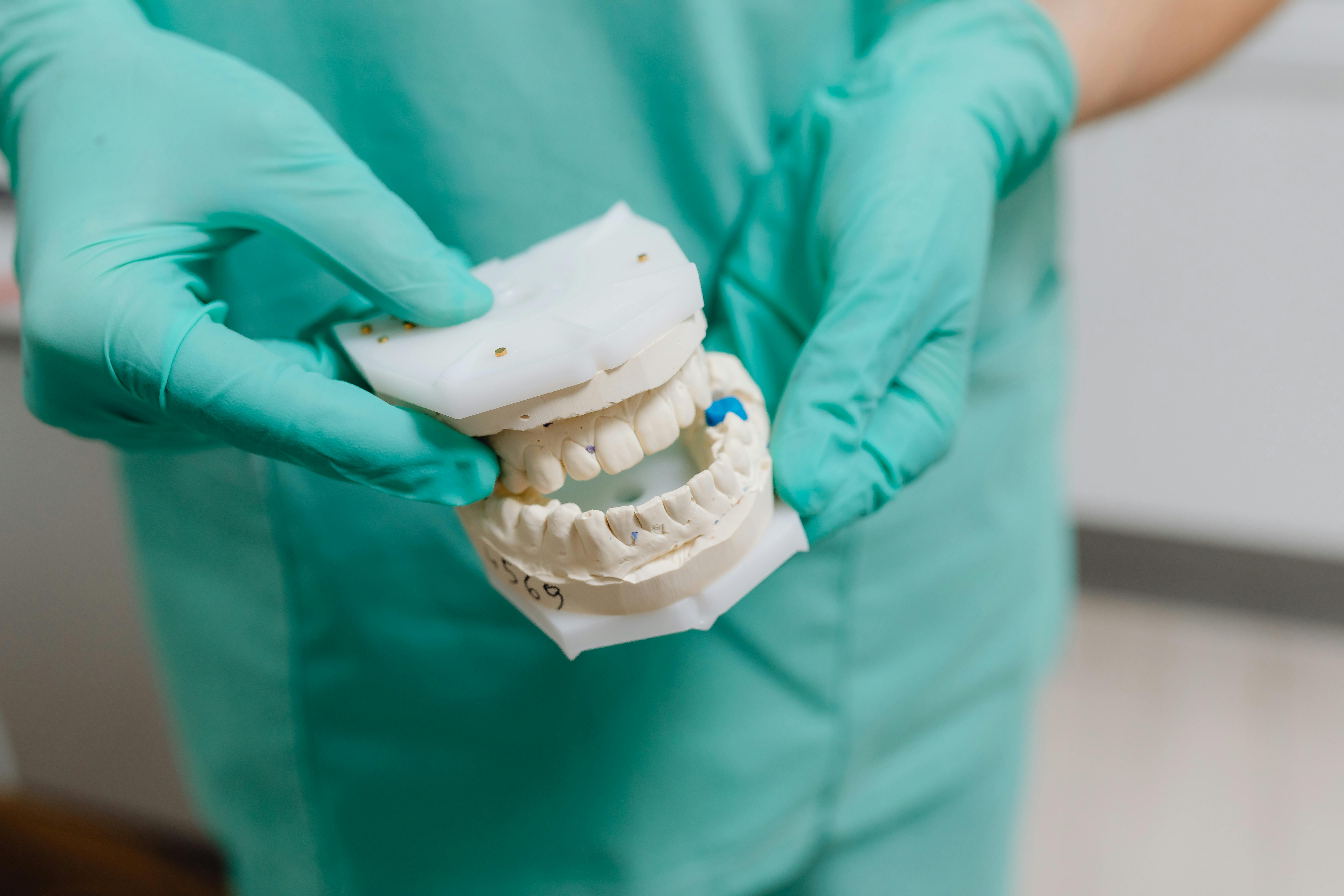
Preparing for a dental implant consultation can feel overwhelming, especially when the goal is a smooth, successful procedure. Understanding what to expect, gathering the right documentation, and following a practical checklist can reduce anxiety and help the dental team focus on delivering optimal results. This guide outlines the essential steps to take before the appointment at Implants Clark, ensuring that the visit is efficient, informative, and comfortable.
What to Expect During Your First Visit
The initial appointment is primarily an evaluation session. The clinician will review medical history, perform a clinical examination, and often request imaging such as X-rays or a CT scan. This information determines whether you are a suitable candidate for implants and helps in planning the surgical approach.
Key Components of the Evaluation
- Medical and dental history review: Disclosure of any chronic conditions, medications, or previous surgeries is crucial.
- Clinical examination: Assessment of gum health, bone density, and the condition of existing teeth.
- Imaging: Radiographs or cone-beam CT scans provide a three-dimensional view of the jawbone.
- Treatment planning discussion: The dentist will outline possible implant options, timelines, and expected outcomes.
Pre-Appointment Checklist
Having a clear checklist helps ensure that nothing is overlooked. Below is a comprehensive list of items to prepare before heading to the clinic.
Documentation
- Current list of medications, including dosage and frequency.
- Recent medical records for conditions such as diabetes, heart disease, or osteoporosis.
- Dental records from previous dentists, especially any radiographs or treatment notes.
- Insurance information and any pre-authorization forms, if applicable.
Personal Preparation
- Arrange transportation for the day of the appointment, especially if sedation is planned.
- Plan to wear comfortable, loose-fitting clothing for easy access to the mouth.
- Fast as instructed if sedation or general anesthesia might be used (usually no food or drink after midnight).
- Prepare a list of questions, consider topics like recovery time, pain management, and long-term care.
Questions to Ask the Specialist
Having a set of thoughtful questions demonstrates engagement and helps clarify the treatment plan. Some useful inquiries include:
- What type of implant system is recommended and why?
- How many appointments will be required from start to finish?
- What are the potential risks or complications specific to my case?
- What post-operative care is required, and what signs should prompt a call to the office?
For further reading on implant options, explore the detailed overview of implants clark to understand the variety of materials and techniques available.
Day-Of Appointment Tips
Arriving prepared can make the consultation run smoothly and set a positive tone for the entire treatment journey.
Before You Arrive
- Bring all documentation in a clearly labeled folder.
- Carry a list of current medications and any allergy information.
- Have a notepad or digital device ready for taking notes.
- Confirm the appointment time and any pre-visit instructions via phone or email.
During the Visit
- Provide honest answers to health questions; even seemingly minor details can affect implant success.
- Listen carefully to the clinician’s explanations and ask for clarification when needed.
- Take photos of any visual aids or diagrams for later reference.
- Discuss financing options early if cost is a concern.
Post-Consultation Follow-Up
After the initial assessment, the clinic will typically send a summary of the proposed treatment plan, including timelines, cost estimates, and any required pre-operative steps. Review this information thoroughly and schedule any additional imaging or lab work promptly.
- Confirm the next appointment date and any preparatory instructions.
- Set reminders for medication adjustments or dietary restrictions before surgery.
- Keep a copy of the treatment plan for personal records.
Final Thoughts
Being well-prepared for your implant consultation not only eases personal stress but also enables the dental team to focus on creating a customized, effective treatment plan. By following the checklist, asking informed questions, and reviewing the provided resources, including the comprehensive guide on implants clark, patients can enter the appointment with confidence and clarity. A proactive approach sets the foundation for a successful implant journey and a lasting, healthy smile.