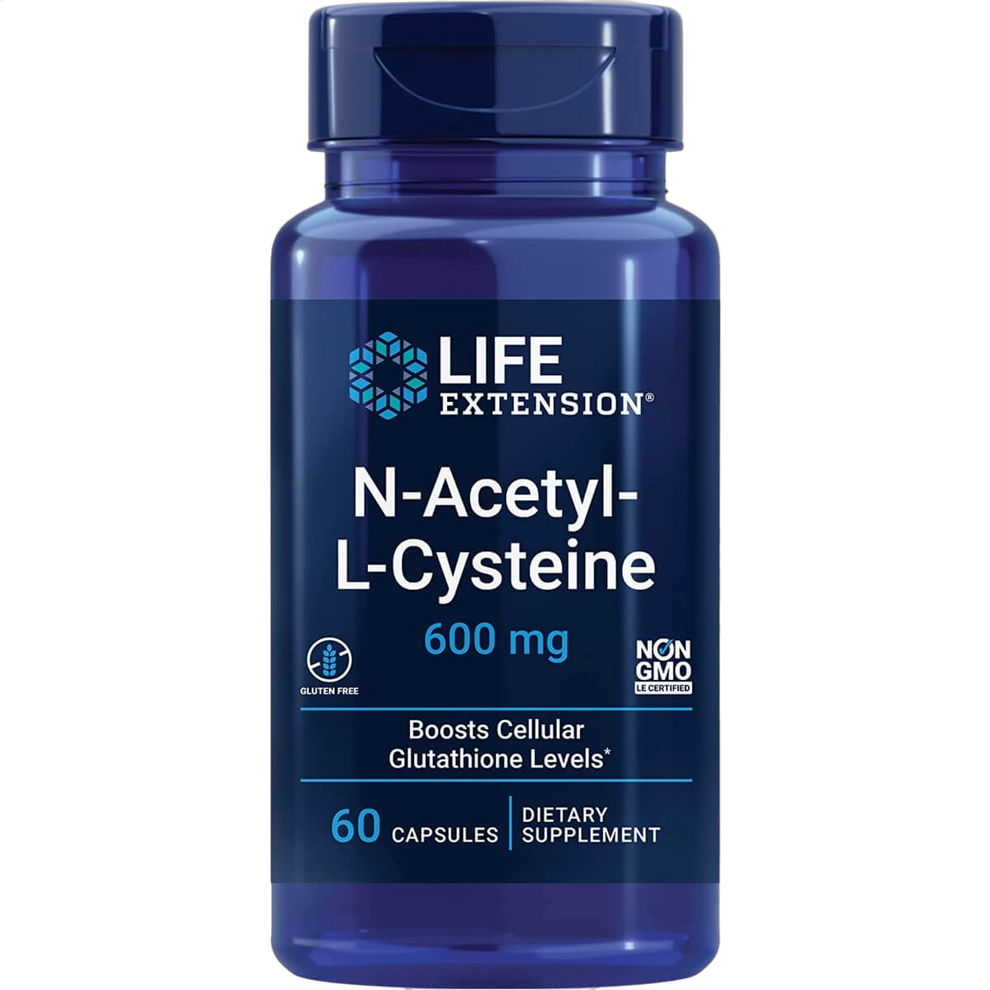
N-acetyl-cysteine (NAC) has moved from the laboratory bench to the pharmacy shelf as a trusted dietary supplement for respiratory wellness. Its unique ability to replenish intracellular glutathione makes it a powerful ally for maintaining clear, functional airways, especially in environments where pollutants, allergens, or smoking pose a constant challenge. This article explores the science behind NAC capsules, outlines the specific ways they support lung health, and provides practical guidance for anyone looking to incorporate this supplement into a balanced wellness routine.
What Is NAC and How Does It Work?
NAC is the acetylated form of the amino-acid cysteine. Once ingested, it is rapidly de-acetylated, releasing cysteine, a critical precursor for glutathione synthesis. Glutathione is the body’s master antioxidant, protecting cells from oxidative stress and supporting detoxification pathways. In the respiratory system, high oxidative stress can damage the delicate lining of the bronchi and alveoli, leading to inflammation, mucus over-production, and reduced lung capacity. By boosting glutathione levels, NAC helps neutralise free radicals, stabilise cellular membranes, and maintain the integrity of lung tissue.
Key Benefits of NAC Capsules for Lung Health
1. Mucolytic Action – Thinner, Easier-to-Clear Mucus
One of the most well-documented properties of NAC is its ability to break disulfide bonds in mucus proteins, reducing viscosity. This mucolytic effect is especially valuable for:
- Chronic bronchitis patients who experience persistent cough and thick sputum.
- Individuals with chronic obstructive pulmonary disease (COPD) seeking to improve airway clearance.
- Anyone exposed to environmental irritants (e.g., smoke, dust) that increase mucus production.
Regular use of nac capsules can make expectoration less labor-intensive and reduce the risk of secondary infections caused by mucus stasis.
2. Antioxidant Support – Guarding Lung Cells from Damage
Oxidative stress is a central driver of many respiratory conditions, from asthma exacerbations to age-related decline in lung function. By replenishing glutathione, NAC provides:
- Protection against free-radical injury caused by pollutants and ozone.
- Stabilisation of epithelial cells that line the airways, helping maintain barrier function.
- Reduced inflammatory cytokine release, which can lessen the severity of asthma attacks.
3. Immune Modulation – Supporting the Body’s Defences
Beyond its antioxidant role, NAC influences immune pathways. It can:
- Enhance the activity of natural killer cells and macrophages.
- Modulate the production of mucus-secreting cytokines, preventing excessive buildup.
- Assist in the recovery from viral respiratory infections by limiting oxidative damage.
Who May Benefit Most From NAC Supplementation?
While NAC is generally safe for most adults, certain groups see pronounced advantages:
- Smokers and former smokers: The antioxidant boost helps counteract the high oxidative load from tobacco smoke.
- People living in high-pollution areas: Daily exposure to particulate matter can be mitigated by regular glutathione support.
- Patients with chronic respiratory diseases: COPD, chronic bronchitis, and cystic fibrosis patients often experience reduced mucus viscosity and improved breathing comfort.
- Athletes and active individuals: Intense training increases oxidative stress; NAC can aid recovery and maintain optimal lung capacity.
How to Choose the Right NAC Product
When selecting a supplement, consider the following criteria to ensure quality and efficacy:
- Dosage form: Capsules provide precise dosing and are convenient for daily use.
- Purity and testing: Look for products that disclose third-party testing results for contaminants and potency.
- Dosage range: Typical therapeutic doses for lung support range from 600″?mg to 1,200″?mg per day, divided into two doses.
- Reputable source: Purchasing from a trusted supplier of nac supplement uk ensures compliance with UK manufacturing standards.
Integrating NAC Capsules Into a Lung-Friendly Lifestyle
NAC works best when paired with habits that promote respiratory health:
- Stay hydrated – Adequate fluid intake helps thin mucus naturally.
- Practice breathing exercises – Techniques such as diaphragmatic breathing improve lung capacity.
- Avoid exposure to known irritants – Use air purifiers indoors and wear masks in high-pollution zones.
- Maintain a balanced diet rich in antioxidants – Foods like berries, leafy greens, and nuts complement the antioxidant action of NAC.
A typical regimen might involve taking one capsule with breakfast and another with dinner, alongside the lifestyle measures above. Consistency is key; benefits often become noticeable after 2-4 weeks of regular use.
Safety, Side Effects, and Interactions
NAC is well-tolerated, but some users report mild gastrointestinal discomfort, such as nausea or a transient “bubbly” sensation. Starting with a lower dose (e.g., 300″?mg) and gradually increasing can minimise these effects. Important considerations include:
- Medication interactions: NAC may enhance the effects of nitroglycerin and certain chemotherapy agents; consult a healthcare professional if you’re on these drugs.
- Pregnancy and breastfeeding: While animal studies show no adverse outcomes, it is advisable to seek medical advice before beginning supplementation.
- Allergies: Verify that the capsule matrix does not contain allergens such as soy or gluten if you have sensitivities.
Conclusion
Understanding the role of NAC capsules in lung health reveals a compelling blend of antioxidant protection, mucus-thinning action, and immune support. By restoring glutathione levels, NAC directly addresses the oxidative and inflammatory challenges that compromise airway function. For individuals seeking a scientifically-backed supplement to enhance respiratory resilience, whether dealing with chronic conditions, environmental stressors, or an active lifestyle, incorporating high-quality nac supplements can be a practical and effective strategy. As always, pairing supplementation with healthy habits maximises benefits and promotes long-term lung vitality.