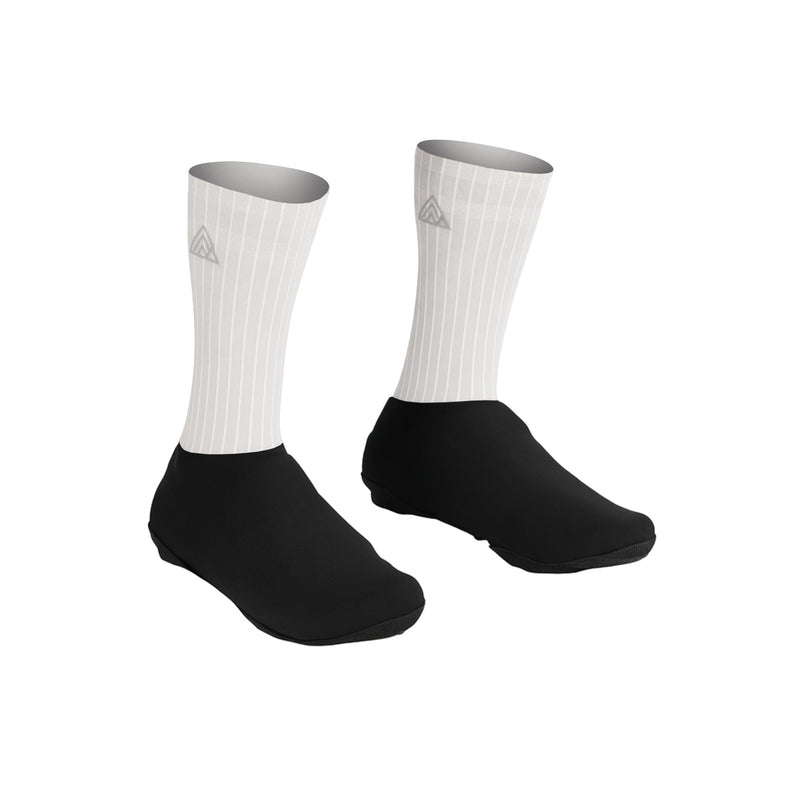
Time trial performance hinges on the delicate balance between power output and aerodynamic efficiency. Even the most powerful rider can lose valuable seconds if the bike’s shape disrupts airflow. A dedicated aero kit, designed specifically for time trial bikes, can transform that balance, turning raw wattage into measurable speed gains. By focusing on proven aerodynamic principles, cyclists can achieve consistent improvements without compromising handling or comfort. The following guide breaks down the essential components, testing methods, and installation tips that deliver real-world aero gains for time trialists of every level.
Why an Aero Kit Matters in the Time Trial Discipline
In a discipline where races are often decided by fractions of a second, reducing drag is as critical as increasing power. An aero kit typically includes a combination of frame extensions, integrated cockpit components, and optimized wheelsets. These elements work together to smooth the rider’s silhouette, minimize turbulence, and maintain stable airflow at high speeds.
- Drag reduction: Well-designed kits can lower the coefficient of drag (CdA) by 5-10%, translating to 15-30 seconds saved over a 40-km effort.
- Energy efficiency: Less aerodynamic resistance means the rider can maintain target power outputs for longer periods.
- Consistency: Integrated components reduce the variability caused by loose accessories or misaligned parts.
Core Components of a Proven Aero Kit
1. Integrated Front End
The front end, comprising the fork, handlebars, and stem, offers the greatest potential for drag reduction. Modern aero forks feature tapered carbon blades that guide air smoothly around the front wheel, while integrated handlebars reduce the frontal area.
- Carbon fork with aerodynamic profile
- Integrated aero handlebars with hidden cable routing
- Compact stem that aligns with the fork’s aerodynamic line
2. Aero Seatpost and Saddle
A seatpost with a teardrop cross-section and a saddle designed to sit low in the aero position helps maintain a streamlined rider posture.
- Teardrop-shaped carbon seatpost
- Saddle with minimal padding and aerodynamic rails
- Adjustable setback to fine-tune rider position
3. Integrated Cockpit and Cable Management
Clean cable routing and a unified cockpit reduce turbulence caused by exposed cables and irregular surfaces.
- Internal cable channels within the frame and handlebars
- Integrated brake levers that sit flush with the aero bars
- Low-profile shifters that maintain a smooth silhouette
4. Aerodynamic Wheelset
Wheel selection is a decisive factor. Deep-section rims paired with a disc wheel or a high-profile front wheel create a consistent airflow pattern around the bike.
- Carbon deep-section front wheel (??? 50mm)
- Disc rear wheel with a low-drag hub
- Tubeless setup to reduce rolling resistance
Testing and Validating Aero Gains
Before committing to a full kit, it’s wise to validate the expected gains through wind-tunnel testing, CFD analysis, or on-road time trial simulations. Data-driven decisions ensure that each component contributes positively to the overall aerodynamic package.
- Wind-tunnel testing: Provides precise CdA measurements for individual parts.
- Computational Fluid Dynamics (CFD): Allows virtual testing of multiple configurations without physical prototypes.
- On-road power-to-speed analysis: Uses a power meter and GPS to compare real-world performance before and after kit installation.
Installation Tips for Maximum Effectiveness
Even the best-designed kit can underperform if installed incorrectly. Follow these best practices to ensure every component works in harmony.
- Align the fork and handlebars so the front wheel sits directly behind the steering tube’s aerodynamic center.
- Route cables internally whenever possible; use low-friction housing to avoid power loss.
- Set the saddle height and setback to achieve a low, narrow torso profile without sacrificing power output.
- Check wheel dish and spoke tension to maintain wheel stiffness, which is crucial for handling at high speeds.
Choosing the Right Kit for Your Needs
Not every rider requires a full-stack aero kit. Assess the following factors before making a purchase:
- Budget: High-end carbon components can be costly; prioritize parts that offer the greatest drag reduction per dollar.
- Race distance: Longer events benefit more from aerodynamic efficiency, while short, high-intensity efforts may prioritize weight savings.
- Rider flexibility: Some aero positions demand greater core strength; ensure the chosen setup matches personal comfort levels.
For a curated selection of proven upgrades, Discover expert strategies here. The collection includes frames, wheels, and cockpit components that have been tested in competitive environments.
Maintaining Aero Performance Over Time
Regular maintenance preserves the aerodynamic advantages of the kit. Small changes in component wear or misalignment can erode gains.
- Inspect carbon surfaces for scratches; polish with a non-abrasive cleaner.
- Re-torque bolts on the cockpit and seatpost to manufacturer specifications.
- Check wheel true and hub bearings quarterly to avoid wobble and excess drag.
For ongoing guidance on upkeep and performance tuning, Explore advanced guides and tips.
Real-World Results: Case Studies
Several elite and amateur riders have reported measurable improvements after adopting a comprehensive aero kit.
- Case A: A national-level time trialist reduced a 25-km TT by 22 seconds after switching to an integrated aero cockpit and deep-section wheelset.
- Case B: An amateur club rider saved 15 seconds on a 40-km course by installing a carbon aero fork and internal cable routing.
- Case C: A triathlete experienced a 5% increase in average speed during the bike leg after adding a disc rear wheel and aero seatpost.
These examples illustrate how targeted aerodynamic upgrades translate directly into competitive advantage. To examine more detailed performance data, Find out more about this approach.
Conclusion
Boosting speed in the time trial discipline is less about raw power and more about mastering aerodynamic efficiency. A well-designed aero kit, comprising an integrated front end, streamlined cockpit, aerodynamic seatpost, and optimized wheelset, offers quantifiable drag reductions that can shave seconds off every race. By testing components, installing them with precision, and maintaining the setup over time, cyclists can unlock consistent performance gains. For those ready to take the next step, a curated selection of proven upgrades is available at the dedicated collection site. Embrace the science of aerodynamics, and watch the clock tumble in favor of a faster, more efficient ride.