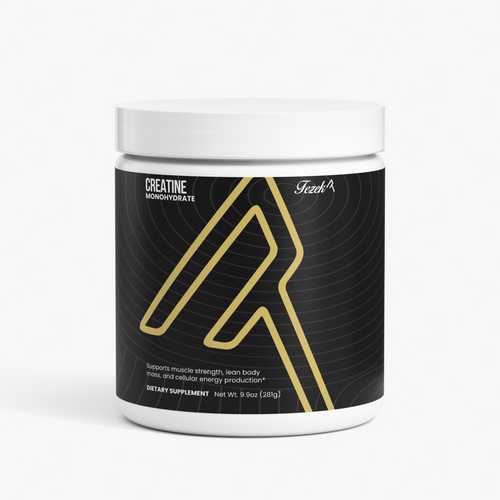
Endurance athletes depend on a finely tuned balance of training, recovery, and nutrition to sustain performance over long distances and extended periods. While a well-planned diet provides the foundation, targeted sports nutrition supplements can fill critical gaps, enhance metabolic efficiency, and support resilience against fatigue. Understanding which supplements are most effective, how they interact with the body, and when to incorporate them into a training regimen is essential for athletes aiming to push their limits safely and consistently.
Key Supplements for Endurance Performance
Carbohydrate Sources
Carbohydrates remain the primary fuel for high-intensity, prolonged effort. Supplementation helps maintain blood glucose levels and replenish glycogen stores during and after training.
- Energy Gels & Chews: Fast-absorbing glucose or maltodextrin formulas that can be taken every 30-45 minutes during long sessions.
- Powdered Carbohydrate Drinks: Blendable mixes offering 6-8% carbohydrate concentration to avoid gastrointestinal distress.
- Complex Carb Bars: Provide a mix of simple and slow-release carbs for sustained energy over several hours.
For a deeper dive into carbohydrate timing strategies, Discover expert strategies here.
Electrolyte Balance
Electrolytes such as sodium, potassium, magnesium, and calcium are lost through sweat and must be replenished to prevent cramping and maintain nerve function.
- Electrolyte tablets or powders that dissolve in water for easy consumption during rides or runs.
- Balanced electrolyte drinks with a moderate sodium content (300-600″?mg/L) to match typical sweat rates.
- Natural sources like coconut water or lightly salted fruit juices for athletes preferring whole-food options.
Guidelines on matching electrolyte intake to climate and intensity can be Learn about our tailored solutions.
Protein & Recovery Aids
While carbohydrates dominate during activity, protein becomes crucial post-exercise to repair muscle fibers and stimulate adaptation.
- Whey or Plant-Based Protein Powders: 20-25″?g per serving within 30 minutes after training.
- Branched-Chain Amino Acids (BCAAs): May reduce perceived soreness during back-to-back sessions.
- Collagen Peptides: Support connective tissue health, which is vital for joint stability in long-duration sports.
For evidence-based recovery protocols, Explore advanced guides and tips.
Supplement Timing and Dosage
During Exercise
Optimal intake during prolonged activity focuses on maintaining carbohydrate availability and electrolyte balance.
- Consume 30-60″?g of carbohydrates per hour, split into 15-minute intervals.
- Include 200-400″?mg of sodium per hour, adjusted for heat and individual sweat rate.
- Avoid high-fiber or high-fat supplements that could slow gastric emptying.
Post-Exercise Recovery
The recovery window (often called the “anabolic window”) is ideal for delivering nutrients that accelerate glycogen restoration and muscle repair.
- Target a 3:1 or 4:1 carbohydrate-to-protein ratio within the first two hours.
- Incorporate antioxidants (e.g., tart cherry extract or vitamin C) to mitigate oxidative stress.
- Hydration should include both water and electrolytes to fully re-establish fluid balance.
Additional insights on post-exercise nutrition can be found by Find out more about this approach.
Choosing Quality Supplements
Not all products are created equal. Athletes should prioritize supplements that are third-party tested, free from banned substances, and formulated with bioavailable ingredients.
- Look for certifications such as NSF Certified for Sport or Informed-Sport.
- Check ingredient transparency; avoid proprietary blends that hide exact dosages.
- Prefer products with minimal artificial colors, flavors, and sweeteners.
Integrating Supplements into a Training Plan
Successful supplementation is a complement to, not a replacement for, a solid training and nutrition foundation. Below is a sample weekly integration plan for a marathon-training athlete.
| Day | Training Focus | Supplement Strategy |
|---|---|---|
| Monday | Easy 8″?km run | Electrolyte water during run; whey protein shake post-run |
| Tuesday | Interval training (5″???”?1″?km) | Energy gels every 45″?min; BCAA sip during session |
| Wednesday | Rest or active recovery | Collagen peptide drink in the morning |
| Thursday | Long run 25″?km | Carb-electrolyte drink (6% carbs, 300″?mg Na/L); additional gel at 15″?km |
| Friday | Strength & conditioning | Protein shake post-session; antioxidant supplement |
| Saturday | Tempo run 15″?km | Carb chew every 30″?min; electrolyte tablets as needed |
| Sunday | Recovery jog 5″?km | Light protein snack; hydration with electrolyte water |
Monitoring Effectiveness and Adjusting Protocols
Continuous assessment ensures that supplementation delivers the intended benefits without unintended side effects.
- Track performance metrics (pace, heart rate, perceived effort) alongside supplement intake.
- Maintain a nutrition log to identify any gastrointestinal issues or energy dips.
- Consult with a sports nutrition professional periodically to refine dosages based on training load and seasonal goals.
Conclusion
For endurance athletes, strategic use of sports nutrition supplements can bridge the gap between training demands and physiological capacity. By selecting high-quality products, timing intake to match metabolic needs, and integrating them thoughtfully into a comprehensive training plan, athletes can sustain energy, protect muscle integrity, and accelerate recovery. Continuous monitoring and evidence-based adjustments further ensure that supplementation remains an asset rather than a gamble. To stay informed about the latest research and product innovations, Explore advanced guides and tips and consider how tailored nutrition solutions can support long-term endurance goals.