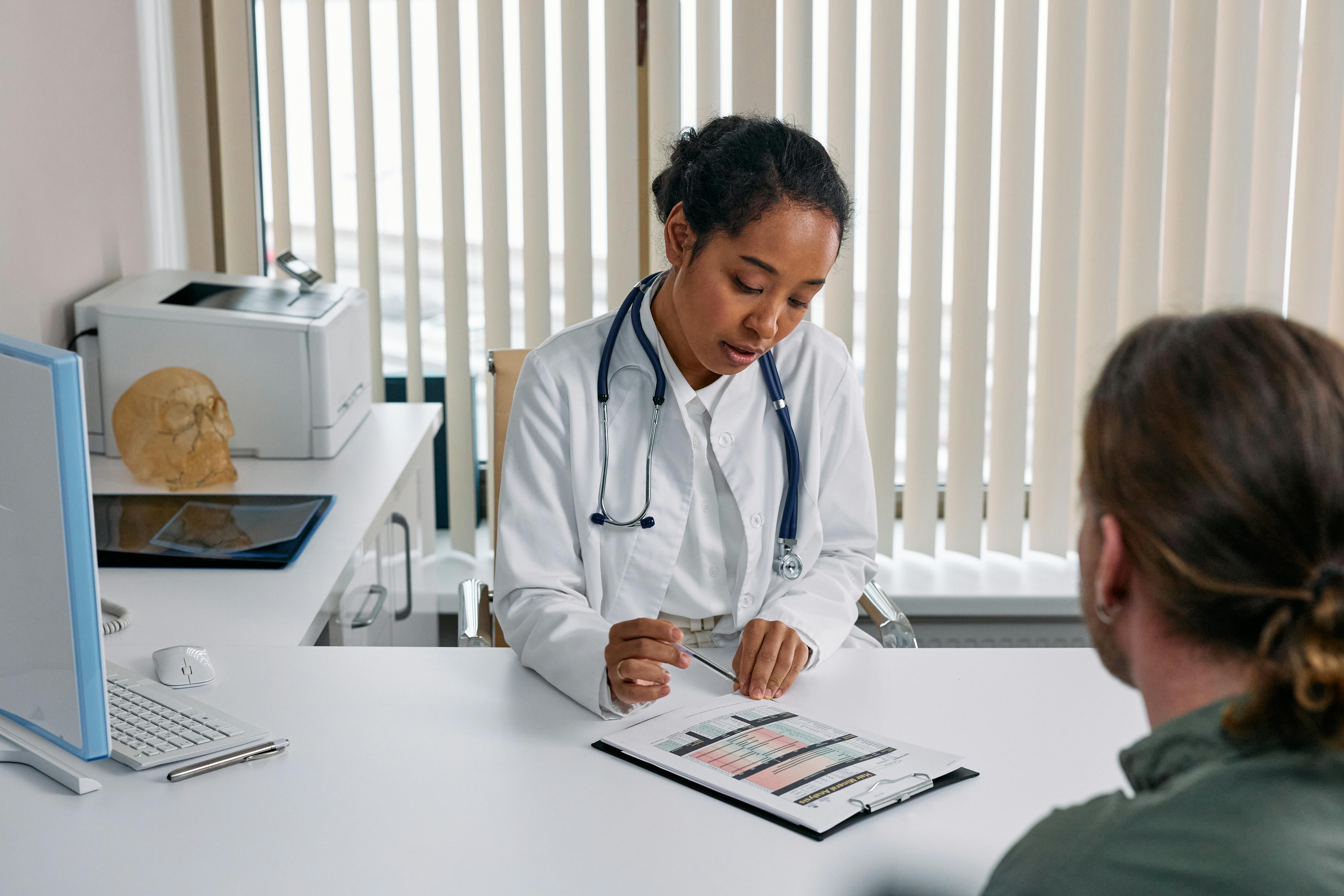
Hearing health is a cornerstone of effective communication, safety, and overall quality of life. While over-the-counter devices and online self-tests can provide a rough idea of hearing ability, only a qualified hearing aid specialist can deliver a precise, comprehensive assessment. Accurate test results guide appropriate interventions, prevent unnecessary frustration, and ensure that any hearing solution, whether a hearing aid, assistive listening device, or therapeutic program, is truly suited to the individual’s needs.
Why Professional Assessment Beats DIY Tests
Self-administered hearing checks often lack the rigor and calibration required for reliable data. A specialist uses calibrated audiometers, sound-treated rooms, and standardized protocols that eliminate background noise and human error. This level of precision is essential for:
- Identifying the exact frequency range and severity of loss.
- Distinguishing between conductive, sensorineural, and mixed hearing issues.
- Detecting early signs of progressive conditions that may require medical attention.
Key Benefits of Visiting a Hearing Aid Specialist
1. Comprehensive Diagnostic Tools
Specialists employ a suite of tests, including pure-tone audiometry, speech-in-noise assessments, and tympanometry. These tools provide a full picture of auditory function, allowing for nuanced recommendations.
2. Personalized Recommendations
Based on precise results, a specialist can match hearing solutions to lifestyle, budget, and personal preferences. This personalized approach reduces the trial-and-error period often experienced with generic devices.
3. Ongoing Support and Fine-Tuning
Hearing needs can change over time. Regular follow-ups ensure that devices remain optimally programmed, and any emerging issues are addressed promptly.
What to Expect During a Professional Hearing Assessment
A typical appointment includes several stages designed to capture accurate data while keeping the experience comfortable.
- Pre-assessment interview: Discussion of medical history, listening environments, and specific concerns.
- Pure-tone audiometry: Determines the softest sounds the individual can hear at various frequencies.
- Speech recognition testing: Evaluates how well words are understood in quiet and noisy settings.
- Tympanometry: Assesses middle-ear function to rule out fluid, infection, or eardrum issues.
- Consultation and next steps: Review of results, explanation of hearing loss type, and discussion of suitable interventions.
Choosing the Right Specialist
When selecting a professional for an assessment, consider the following criteria:
- Credentials: Look for licensed audiologists or hearing aid specialists with recognized certifications.
- Facilities: A sound-treated booth and up-to-date equipment are essential for reliable results.
- Reputation: Patient reviews and referrals from healthcare providers can indicate quality of care.
For those seeking a reputable source of information and guidance, Discover expert strategies here. The site offers detailed explanations of testing procedures and what to expect during a visit.
Integrating Assessment Results Into Everyday Life
Accurate test outcomes empower individuals to make informed decisions that improve daily communication:
- Workplace adaptations: Tailored hearing solutions can enhance productivity in noisy environments.
- Social engagement: Improved hearing reduces isolation and promotes active participation in conversations.
- Safety: Better auditory awareness contributes to personal safety, especially in traffic or public spaces.
To explore practical tips for applying assessment findings, Explore advanced guides and tips. This resource provides actionable advice for integrating hearing aids and assistive technologies into routine activities.
Future-Proofing Your Hearing Health
Regular professional assessments not only address current concerns but also serve as a preventive measure. Early detection of gradual changes allows for timely intervention, potentially slowing the progression of certain types of hearing loss.
Regular Check-Ups
Scheduling an evaluation every 1-2 years is recommended, especially for individuals exposed to occupational noise, musicians, or those with a family history of hearing impairment.
Technology Updates
Hearing aid technology evolves rapidly. A specialist can advise when newer models or software upgrades may provide better performance based on the latest assessment data.
For a concise overview of how ongoing monitoring supports long-term hearing health, Find out more about this approach. The information presented aligns with current best practices and highlights the value of professional oversight.
Conclusion
Accurate hearing assessment results are the foundation of effective hearing care. By entrusting the evaluation to a qualified hearing aid specialist, individuals receive precise diagnostics, personalized recommendations, and continuous support, all essential for optimal auditory outcomes. Investing in professional testing not only enhances immediate communication abilities but also safeguards hearing health for the future.