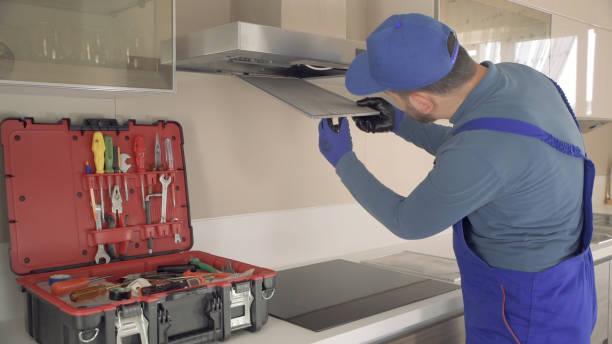
In the fast-paced environment of food service, equipment reliability directly influences profitability. When a fryer, oven, or refrigeration unit fails, the ripple effect can be costly: lost sales, dissatisfied customers, and rushed repairs that strain budgets. Proactive maintenance and timely restaurant equipment repair are essential strategies for minimizing downtime and safeguarding the bottom line. This article outlines the key steps and best practices that help kitchen managers keep their operations humming.
Understanding the Cost of Downtime
Before implementing preventive measures, it’s important to quantify the impact of equipment failure:
- Revenue loss: Each minute a cooking line is offline can translate to dozens of missed orders.
- Labor inefficiency: Staff may be forced to perform manual workarounds, reducing overall productivity.
- Food waste: Perishable ingredients spoil when refrigeration or cooking cycles are interrupted.
- Reputation damage: Repeated service delays erode customer confidence and can lead to negative reviews.
Key Components of an Effective Maintenance Program
1. Routine Inspection Schedule
Establish a calendar that aligns with manufacturer recommendations and operational intensity. Typical checkpoints include:
- Daily visual checks for leaks, unusual noises, and wear.
- Weekly cleaning of filters, burners, and ventilation systems.
- Monthly performance tests on temperature controls and safety cut-offs.
- Quarterly professional inspections by qualified technicians.
2. Predictive Maintenance Technologies
Modern kitchens benefit from sensors that monitor vibration, temperature, and energy consumption. When data trends indicate a deviation, an alert can be generated, allowing staff to address the issue before a breakdown occurs.
3. Documentation and Tracking
Maintain a digital log that records:
- Equipment make, model, and serial numbers.
- Service dates, performed tasks, and parts replaced.
- Observed issues and corrective actions.
This history not only streamlines future repairs but also provides valuable insight for budgeting and equipment replacement cycles.
When to Call Professional restaurant equipment repair Services
Even with diligent upkeep, some problems require specialized expertise. Consider professional assistance when:
- Electrical components show signs of arcing or intermittent power.
- Mechanical parts such as compressors or motors emit grinding noises.
- Safety devices fail to engage during routine testing.
- Warranty terms dictate service by certified technicians to avoid voiding coverage.
Best Practices for Reducing Repair Time
Speedy resolution minimizes revenue loss. Implement these practices to ensure swift recovery:
- Spare parts inventory: Keep critical components (e.g., heating elements, fan belts) on hand.
- Vendor relationships: Establish clear service level agreements with trusted service providers.
- Staff training: Teach kitchen personnel basic troubleshooting steps and safe shutdown procedures.
- Clear communication: Use a standardized incident report form to convey symptoms accurately to technicians.
Cost-Effective Strategies for Long-Term Reliability
Investing in preventive care often yields a higher return than reacting to failures. Consider these cost-saving tactics:
- Schedule annual deep cleaning of ventilation hoods to improve airflow and reduce fire risk.
- Upgrade to energy-efficient models that include built-in diagnostics.
- Negotiate maintenance contracts that bundle routine inspections with priority emergency response.
Conclusion
Downtime in a restaurant kitchen is more than an inconvenience, it’s a direct hit to profitability and brand reputation. By integrating systematic inspections, leveraging predictive technology, and partnering with reliable restaurant equipment repair specialists, operators can dramatically reduce unexpected outages. The result is a smoother service flow, happier guests, and a healthier bottom line.