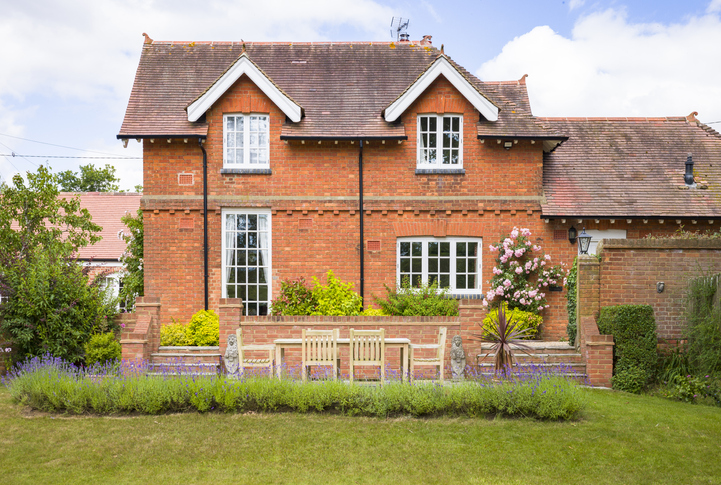
When it comes to purchasing a property or undertaking significant renovations, obtaining a comprehensive insight into the condition of the building is vital. A Level 3 Building Survey, also known as a full structural survey, provides an in-depth evaluation of a property’s condition and is particularly recommended for older, larger, or significantly altered properties. Choosing the right professional for this task can be daunting, but understanding the role and expertise required can ensure that the survey meets your needs. This guide explores the key considerations and steps in selecting a qualified Level 3 Building Surveyor.
Understanding the Level 3 Building Survey
A level 3 building survey is the most comprehensive form of property survey. It provides detailed insights into the structure and fabric of a building, identifying issues such as:
- Structural defects
- Potential risks and maintenance requirements
- Building materials and construction techniques
This type of survey is especially beneficial for older properties or those with visible signs of deterioration. Understanding the scope and depth of a building survey level 3 can help in making informed decisions about property investments or renovations.
Qualifications and Experience
Selecting a qualified surveyor is crucial for ensuring a thorough and reliable report. Consider the following when evaluating potential surveyors:
- Accreditation: Ensure the surveyor is accredited by a recognized professional body, such as the Royal Institution of Chartered Surveyors (RICS).
- Experience: Look for surveyors with extensive experience in conducting level 3 RICS building survey reports.
- Specialization: Some surveyors specialize in certain types of buildings, such as historical or listed properties, which may require specific expertise.
Reviewing Past Work and References
A reputable surveyor should have a portfolio of past work and be willing to provide references. Consider the following steps:
- Request examples of previous reports to assess the detail and clarity of their work.
- Ask for client references to gain insights into their professionalism and reliability.
- Check online reviews and testimonials for additional perspectives.
Cost Considerations
The cost of a Level 3 Building Survey can vary based on several factors, including the size and age of the property, and the surveyor’s expertise. While cost is an important factor, it should not be the sole consideration. Weigh the following when assessing costs:
- Scope of the survey: Ensure the surveyor’s assessment includes a comprehensive examination of all relevant aspects of the property.
- Value for money: A higher fee might reflect broader expertise or a more detailed report.
- Clear breakdown of costs: Request a detailed quote to understand what is included in the price.
Communication and Reporting
Effective communication is key to a successful survey process. Consider these aspects to ensure clarity and satisfaction:
- Initial consultation: A good surveyor will offer an initial consultation to discuss your specific needs and expectations.
- Report format: Ensure that the final report is clear, well-structured, and includes actionable recommendations.
- Follow-up: Establish whether the surveyor offers additional consultation to discuss the findings and answer any questions.
Conclusion
Choosing the right Level 3 Building Surveyor requires careful consideration of qualifications, experience, and communication skills. By understanding the scope of the survey and evaluating potential surveyors against key criteria, property owners can ensure a thorough and insightful assessment of their property. A professional and detailed building survey level 3 not only highlights existing issues but also aids in making informed decisions for future property investments.