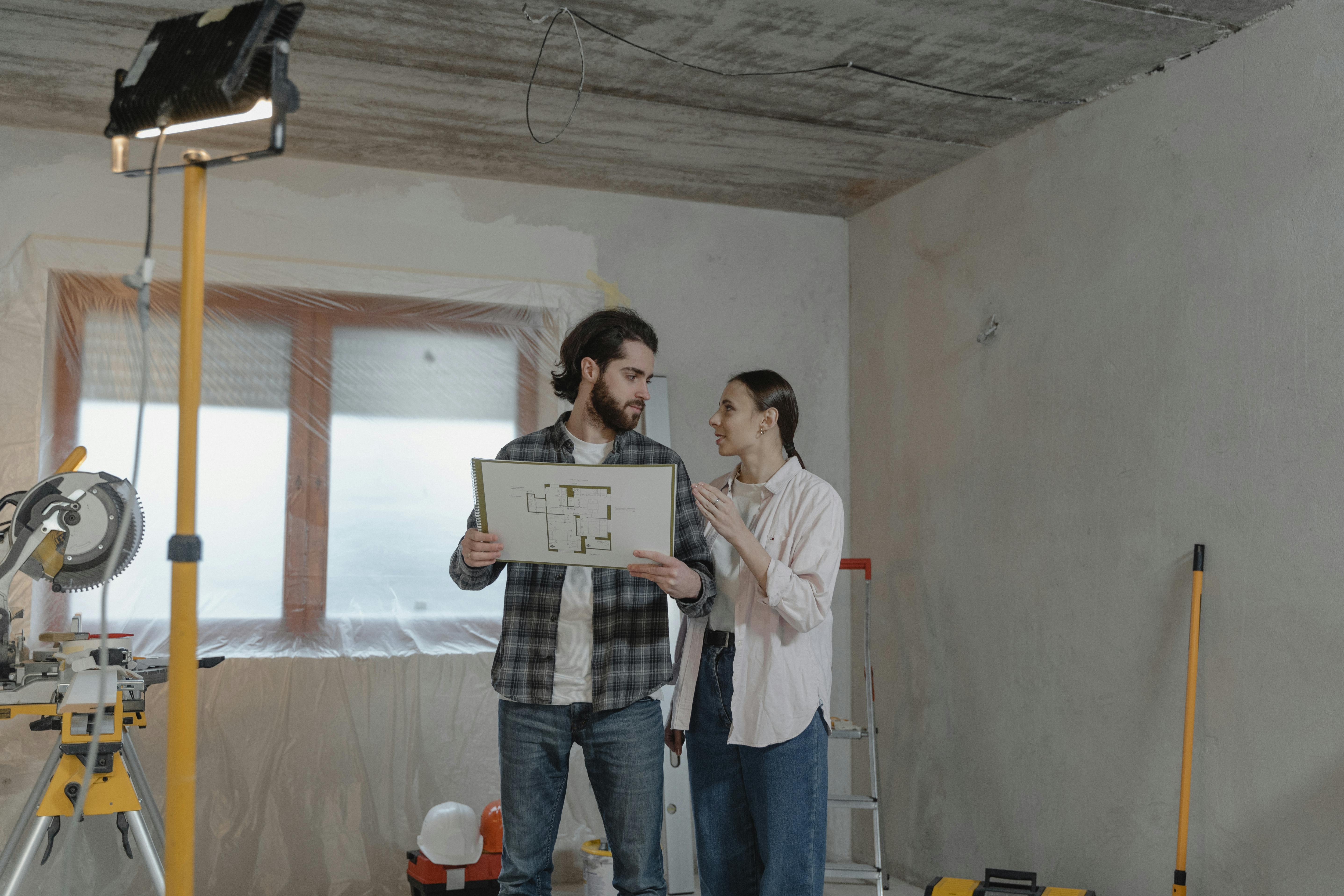
Designing a kitchen that balances aesthetics, functionality, and durability is a rewarding challenge. A well-planned renovation transforms the heart of the home into a space that inspires culinary creativity, enhances daily routines, and adds lasting value. By leveraging proven design principles and collaborating with seasoned renovation specialists, homeowners can turn their vision into a practical, beautiful reality.
Assessing Your Vision and Lifestyle Needs
Before any demolition begins, it is essential to clarify the primary goals of the project. Consider how the kitchen is used today and how those habits might evolve.
- Cooking habits: Frequent home chefs benefit from ample countertop space, professional-grade appliances, and a well-organized work triangle.
- Entertaining: Open-concept layouts, bar seating, and easy access to adjacent living areas support social gatherings.
- Family dynamics: Kid-friendly zones, durable surfaces, and easy-clean finishes reduce daily stress.
- Future resale: Neutral palettes, timeless materials, and efficient storage increase market appeal.
Gathering this information creates a solid brief that guides every design decision, from layout to material selection.
Choosing the Right Layout
The layout determines workflow efficiency. The three classic configurations, single-wall, galley, and L-shaped, each offer distinct advantages. For larger spaces, U-shaped or island layouts provide additional storage and seating.
Key Layout Considerations
- Work triangle: Position the sink, refrigerator, and stove within a 13-to-26-foot triangle to minimize movement.
- Clearance: Ensure a minimum of 42 inches of aisle width for comfortable traffic flow.
- Zoning: Separate prep, cooking, and cleaning zones to streamline tasks.
Professional guidance can help refine these concepts. Discover expert strategies here.
Material Selection for Durability and Style
Materials influence both the look and longevity of the kitchen. Selecting the right combination of cabinets, countertops, flooring, and backsplashes creates a cohesive aesthetic while standing up to daily wear.
Cabinetry
- Solid wood offers timeless appeal but requires regular maintenance.
- Laminate provides cost-effective durability with a wide range of finishes.
- Thermofoil delivers a smooth surface resistant to moisture.
Countertops
- Quartz: Engineered stone that resists stains and scratches.
- Granite: Natural stone with unique veining, ideal for high-traffic areas.
- Butcher block: Warm, renewable wood that adds a rustic touch.
Flooring
- Porcelain tile combines durability with low maintenance.
- Engineered hardwood offers warmth while handling moisture better than solid wood.
- Luxury vinyl plank mimics wood or stone at a fraction of the cost.
For a deeper dive into material trends, Explore advanced guides and tips.
Lighting Design: Function Meets Ambiance
Effective lighting layers three types of illumination: task, ambient, and accent. Proper placement ensures safety while creating a welcoming atmosphere.
- Task lighting: Under-cabinet LEDs illuminate countertops for precise work.
- Ambient lighting: Recessed fixtures or pendant lights provide overall brightness.
- Accent lighting: Toe-kick lights or backlit cabinets add visual interest.
Integrating dimmable controls allows the space to adapt from meal prep to evening entertaining. Learn about our tailored solutions.
Smart Technology Integration
Modern kitchens increasingly incorporate smart appliances and connectivity. From voice-activated faucets to Wi-Fi ovens, technology enhances convenience and efficiency.
- Smart refrigerators with interior cameras and inventory tracking.
- Induction cooktops with precise temperature control.
- Connected lighting systems controllable via smartphone or voice assistant.
Choosing compatible devices ensures seamless operation and future-proofing. Find out more about this approach.
Project Management and Timeline Considerations
A successful renovation relies on clear scheduling, budgeting, and communication. Key steps include:
- Establishing a realistic budget with contingency for unexpected issues.
- Developing a phased timeline that minimizes disruption to daily life.
- Coordinating tradespeople, plumbers, electricians, carpenters, to work in sync.
- Conducting regular site inspections to ensure quality and adherence to design.
Engaging experienced professionals streamlines these processes, reducing delays and cost overruns.
Final Touches: Personalizing the Space
Details such as hardware finishes, backsplash patterns, and decorative accessories inject personality into the kitchen.
- Brushed brass or matte black pulls complement contemporary palettes.
- Glass or patterned tile backsplashes add visual depth.
- Open shelving displays curated dishware, creating a lived-in feel.
Conclusion
Creating a dream kitchen is a multifaceted endeavor that blends design expertise, material knowledge, and meticulous project execution. By thoughtfully assessing lifestyle needs, selecting appropriate layouts and materials, integrating lighting and technology, and managing the renovation timeline, homeowners can achieve a space that is both beautiful and highly functional. Partnering with seasoned renovation specialists ensures that each phase aligns with best practices, delivering a kitchen that will delight for years to come.