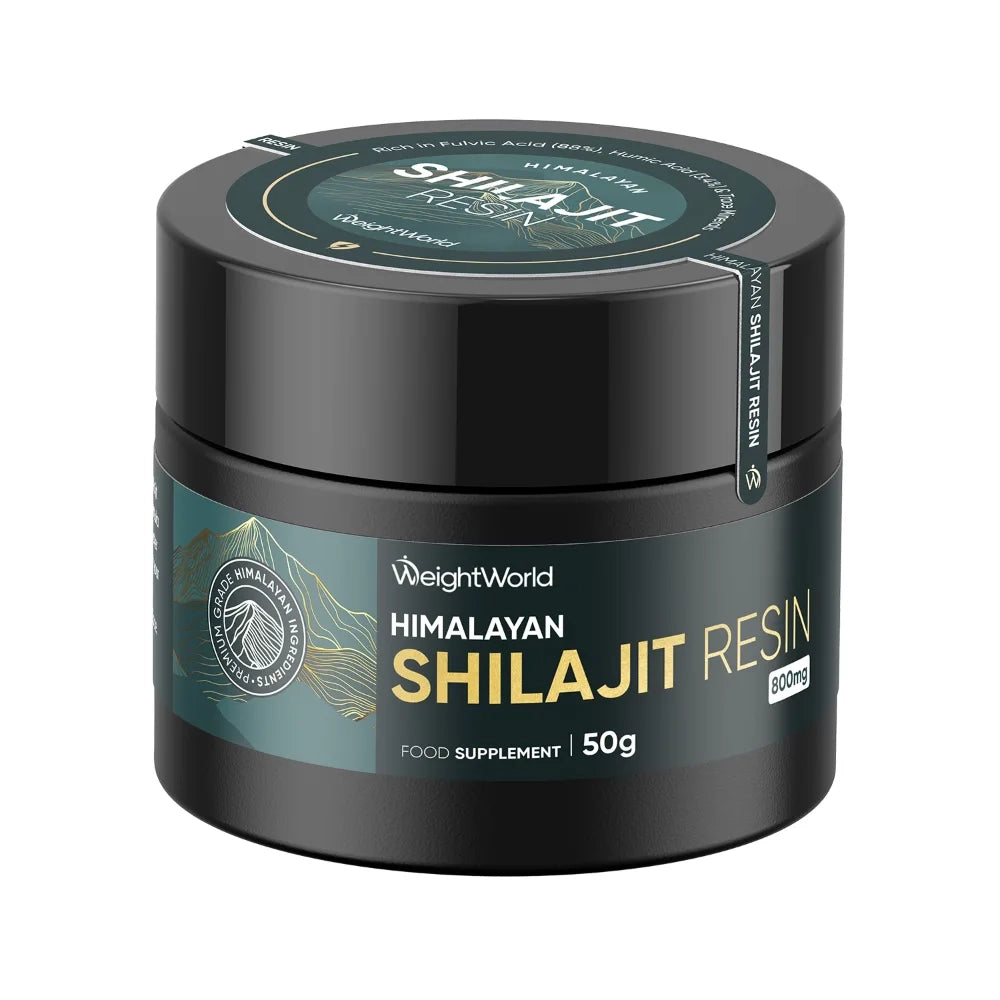
Shilajit resin, a dark, tar-like substance that oozes from the high-altitude rocks of the Himalayas, has been revered for millennia across the Indian subcontinent and Central Asia. Its name derives from the Sanskrit words “shila” (rock) and “jit” (conqueror), reflecting the ancient belief that this mineral-rich exudate could conquer the limitations of the human body. Modern science now confirms many of the traditional claims, revealing a complex matrix of fulvic acid, humic substances, trace minerals, and bioactive compounds. Understanding the ancient origins of shilajit resin not only illuminates its cultural significance but also provides insight into why it continues to be a cornerstone of holistic health practices today.
Historical Roots in Ayurvedic Tradition
Ayurveda, the 5,000-year-old system of medicine originating in the Vedic civilization, mentions shilajit (often called “ashtasiddhi” or “the eight-fold cure”) in its earliest texts. The Charaka Samhita and Sushruta Samhita describe it as a rejuvenating tonic capable of enhancing vitality, longevity, and mental clarity. In these treatises, shilajit is classified as a “rasayana” – a substance that promotes the rejuvenation of bodily tissues at a cellular level.
Key Ayurvedic Attributes
- Rasayana – supports tissue regeneration and slows age-related decline.
- Vata-Balancing – stabilizes the nervous system, reducing anxiety and restlessness.
- Ojas-Boosting – enhances the subtle vital energy that underpins immunity and vigor.
Mythology and Early Trade Routes
Legends from the Himalayan kingdoms speak of monks who discovered shilajit when a rock fissure released a fragrant, amber-colored ooze during the monsoon season. Traders traveling along the ancient Silk Road recognized its value, transporting the resin across the Indian subcontinent, Tibet, and even as far west as Persia. The substance was often exchanged for spices, silk, and precious stones, underscoring its high esteem.
Geographical Sources
- Himalayan Range – Primary source, especially in Nepal, Bhutan, and northern India.
- Karakoram and Altai Mountains – Secondary sources yielding resin with slightly different mineral profiles.
- Seasonal Formation – Forms over centuries as plant matter decomposes under pressure, then leaches out during warm months.
Scientific Exploration of Ancient Claims
Contemporary research has begun to validate many of the traditional uses of shilajit. Studies published in peer-reviewed journals have identified fulvic acid as a potent antioxidant, capable of neutralizing free radicals and supporting mitochondrial function. Trace minerals such as iron, calcium, magnesium, and zinc contribute to its adaptogenic properties, helping the body adapt to physical and mental stress.
Key Findings
- Improved ATP production, enhancing cellular energy.
- Modulation of inflammatory pathways, reducing chronic inflammation.
- Support for testosterone levels and male reproductive health.
- Neuroprotective effects linked to memory and cognitive performance.
For those seeking a natural source of these benefits, high-quality shilajit resin offers a convenient, lab-tested option that preserves the mineral matrix found in traditional preparations.
Modern Applications in Wellness Practices
Today, shilajit resin is incorporated into a variety of wellness protocols, from daily supplementation to integration in functional foods and sports nutrition. Its versatility stems from its ability to synergize with other adaptogens, such as ashwagandha or rhodiola, amplifying stress-resilience and recovery.
Practical Usage Guidelines
- Dosage – Typically 300-500″?mg of purified resin per day, dissolved in warm water or herbal tea.
- Timing – Morning consumption aligns with the body’s natural cortisol rhythm, supporting energy throughout the day.
- Combination – Pair with vitamin”?C to enhance mineral absorption.
Preserving Authenticity: Quality Assurance
Because shilajit is harvested from remote mountain regions, authenticity and purity can vary dramatically. Reputable suppliers employ rigorous testing for heavy metals, microbial contamination, and adulterants. Look for certifications such as GMP (Good Manufacturing Practice) and third-party lab analyses to ensure the resin maintains its natural potency without harmful residues.
Conclusion
The journey of shilajit resin from ancient Himalayan cliffs to modern wellness shelves reflects a remarkable continuity of knowledge. Rooted in Ayurvedic wisdom, celebrated along historic trade routes, and now substantiated by scientific inquiry, this mineral-rich exudate remains a testament to nature’s capacity to support human health. By respecting its origins and choosing responsibly sourced products, practitioners can harness a time-tested ally in the pursuit of vitality, resilience, and longevity.