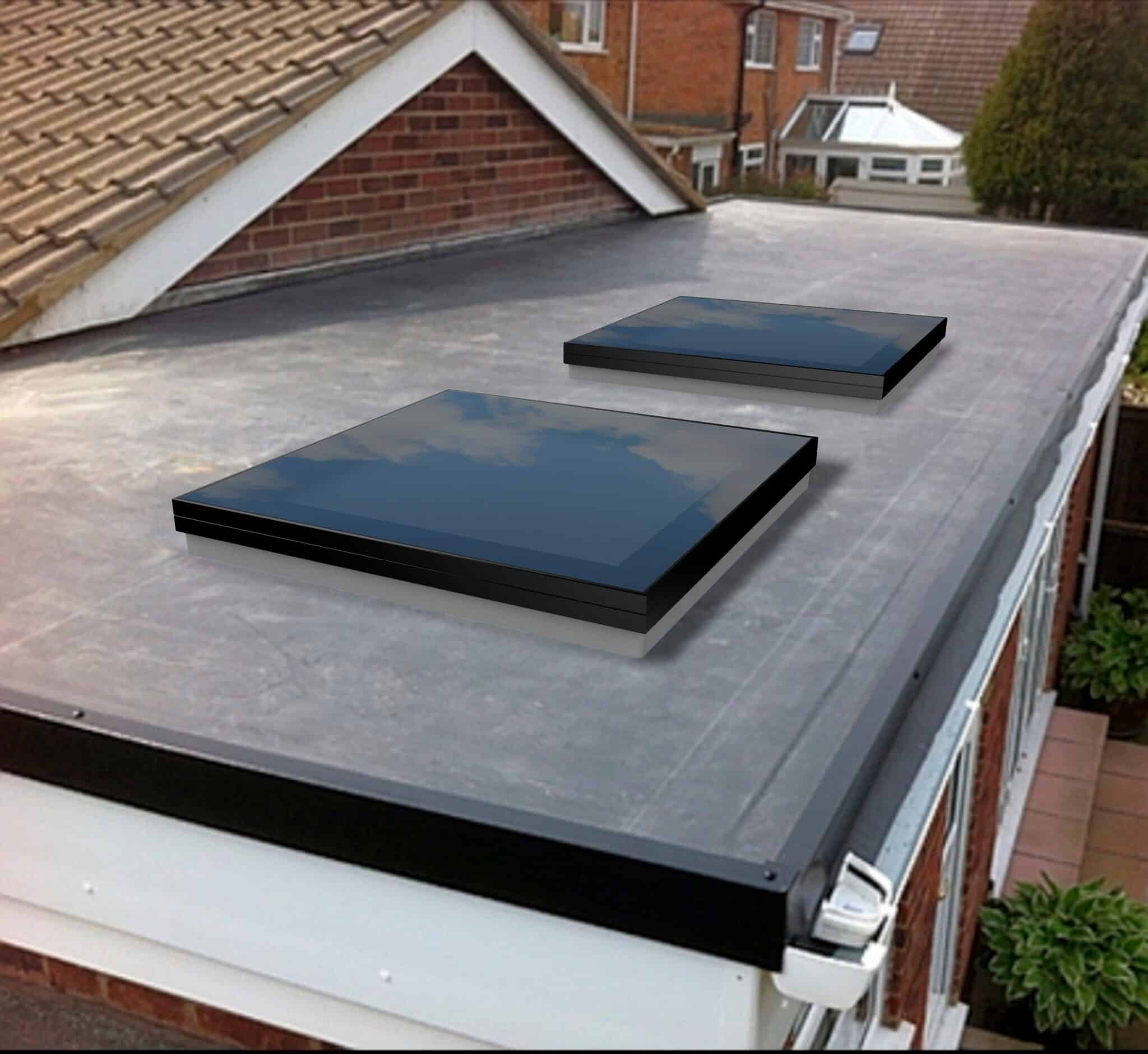
The integration of rooflights in construction projects offers a significant advantage by enhancing natural light, improving energy efficiency, and elevating architectural aesthetics. For contractors, selecting the right trade rooflights involves understanding various types, materials, and installation techniques. This guide aims to provide contractors with a comprehensive overview of trade rooflights, highlighting key considerations and practical advice to ensure successful implementation in their projects.
Understanding the Types of Rooflights
Rooflights come in various types, each catering to specific architectural needs and preferences. Understanding these types is crucial for contractors to make informed decisions. Below are the primary types of rooflights commonly used in construction:
- Fixed Rooflights: These rooflights are non-opening and are primarily used to allow light into spaces without the need for ventilation. They are often chosen for areas where additional light is needed but where opening windows are not necessary.
- Opening Rooflights: Designed to provide both natural light and ventilation, opening rooflights can be manually or electronically operated. They are ideal for areas that require fresh air circulation.
- Walk-On Rooflights: Often used in terraces or flat roofs, walk-on rooflights are designed to be durable and safe to walk on, providing light below while maintaining a usable space above.
For more detailed insights, explore further insights here.
Materials and Their Benefits
Rooflights are made from a variety of materials, each offering distinct advantages. It is essential for contractors to select materials that align with the project’s environmental conditions and architectural requirements.
- Glass: Known for its clarity and durability, glass rooflights provide excellent light transmission and aesthetic appeal. They are often treated to be toughened or laminated for safety and longevity.
- Polycarbonate: Lightweight and impact-resistant, polycarbonate rooflights are a cost-effective alternative to glass. They offer good insulation properties and are suitable for projects where weight is a consideration.
- Acrylic: Acrylic rooflights are another lightweight option that provides good light transmission. They are often chosen for their versatility and ease of installation.
Read more about this topic by visiting the detailed guide.
Installation Considerations
Proper installation of rooflights is critical to ensure their long-term performance and safety. Contractors should consider the following factors during the installation process:
- Weatherproofing: Ensuring that rooflights are adequately sealed is vital to prevent water ingress and maintain thermal efficiency.
- Structural Integrity: Rooflights should be installed on a sound and stable structure to support their weight and withstand environmental stressors.
- Compliance with Standards: It’s important to adhere to building regulations and standards related to safety, energy efficiency, and environmental impact.
Find additional information on installation practices here.
Maintenance and Longevity
Regular maintenance of rooflights ensures they remain functional and aesthetically pleasing over time. Here are some maintenance tips for contractors to consider:
- Cleaning: Regular cleaning of rooflights will prevent the build-up of dirt and debris, which can affect light transmission and appearance.
- Inspection: Periodic inspections can identify potential issues such as leaks or structural damage, allowing for timely repairs.
- Replacement Parts: Having a plan for sourcing replacement parts quickly can minimize downtime and ensure continuous operation.
Learn more in this detailed guide on maintaining rooflights effectively.