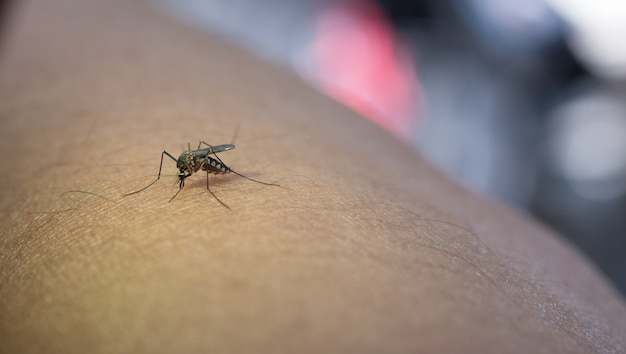
Mosquitoes are more than just a nuisance; they are vectors for numerous diseases, making effective mosquito control essential for both residential and commercial properties. Choosing the right mosquito control solutions can often be daunting due to the plethora of options available. This comprehensive overview aims to guide you through the process of selecting the most effective mosquito control methods tailored to your specific needs, while considering environmental and health implications.
Understanding Mosquito Behavior and Breeding Habits
Before delving into control methods, it is crucial to understand mosquito behavior and breeding practices. Mosquitoes thrive in warm, humid environments and require stagnant water to breed. Key factors include:
- Breeding sites: Mosquitoes lay eggs in standing water found in containers, ponds, or even puddles.
- Feeding habits: Female mosquitoes feed on blood to nurture their eggs, while males primarily consume nectar.
- Lifespan: While the average lifespan of a mosquito is short, their rapid reproduction can lead to large populations quickly.
Addressing these factors is critical in reducing mosquito populations effectively. Learn about our tailored solutions to address these specific challenges.
Evaluating Mosquito Control Options
Biological Control Methods
Biological control involves using natural predators or agents to reduce mosquito populations. Consider the following:
- Introduction of natural predators like dragonflies and certain fish species that feed on mosquito larvae.
- Utilizing bacteria such as Bacillus thuringiensis israelensis (Bti) that specifically target mosquito larvae without harming other wildlife.
Discover expert strategies here to effectively implement biological control methods.
Chemical Control Approaches
Chemical treatments are popular for their immediate impact. However, it is important to use them responsibly to prevent environmental damage:
- Larvicides: Applied to water bodies to target mosquito larvae before they mature.
- Adulticides: Sprays that target adult mosquitoes, often used in fogging operations.
For comprehensive guidance on chemical control options and best practices, explore advanced guides and tips.
Environmental Management
Environmental control focuses on altering habitats to make them less conducive for mosquito breeding:
- Drainage improvement: Ensuring water does not stagnate, eliminating potential breeding sites.
- Proper waste management: Removing trash and debris that can collect water.
- Landscaping adjustments: Planting mosquito-repelling plants like citronella and lavender.
Find out more about this approach and its long-term benefits.
Personal Protection Measures
While community-wide mosquito control is crucial, individual protection cannot be overlooked. Consider these personal protective strategies:
- Use of insect repellents containing DEET or picaridin on exposed skin.
- Wearing light-colored, long-sleeved clothing to minimize exposed skin.
- Installing screens on windows and doors to prevent mosquitoes from entering homes.
For more detailed information on personal protection measures, learn about our tailored solutions.
Choosing the Right Service Provider
When selecting a mosquito control service, consider the following factors:
- Experience and expertise in the field of pest control.
- Use of environmentally friendly and sustainable practices.
- Customizable plans that cater to specific needs and preferences.
Explore advanced guides and tips to ensure you choose a service provider that meets all these criteria.
In conclusion, selecting the best mosquito control approach involves understanding mosquito habits, evaluating various control methods, and implementing both community and individual protective measures. For those seeking professional assistance, find out more about this approach from reputable sources. Making informed choices can significantly reduce mosquito populations and the risks they pose to health and well-being.