Uterine fibroids are a common concern for many women, often leading to discomfort and a disruption in daily life. Traditionally, surgical options like hysterectomy have been the primary solutions offered. However, uterine fibroid embolization (UFE) is emerging as a viable non-surgical alternative. This minimally invasive procedure can offer relief without the need for invasive surgery, making it an appealing option for many. Understanding the benefits, procedure, and potential outcomes of UFE can empower women to make informed decisions about their health.
What is Uterine Fibroid Embolization?
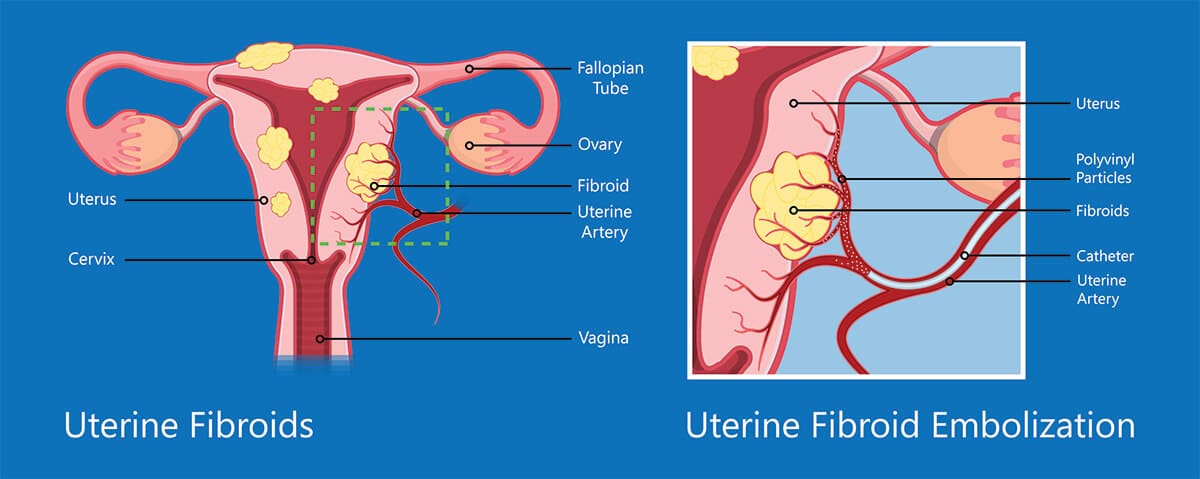
Uterine fibroid embolization is a procedure that involves blocking the blood supply to fibroids in the uterus, causing them to shrink and eventually die. This technique is performed by an interventional radiologist, using imaging guidance to ensure precision and safety.
Benefits of Choosing UFE
There are several advantages to selecting uterine fibroid embolization as a treatment option:
- Minimally invasive, reducing recovery time
- Preservation of the uterus
- Lower risk of complications compared to surgical options
- Quick return to daily activities
- Significant reduction in fibroid-related symptoms
These benefits make UFE a compelling choice for many women. To explore advanced guides and tips on managing uterine fibroids, find out more about this approach.
The UFE Procedure
The procedure itself is straightforward and typically involves the following steps:
- The patient is given a local anesthetic and sometimes conscious sedation to ensure comfort.
- A small incision is made in the groin or wrist.
- A catheter is then guided through the blood vessels to the uterine artery.
- Microspheres are injected through the catheter to block the blood supply to the fibroids.
- The catheter is removed, and the incision is closed.
The entire process usually takes about 1 to 2 hours, and patients can often return home the same day. To learn about our tailored solutions for managing fibroids, discover expert strategies here.
Considerations Before Choosing UFE
Eligibility and Suitability
Not all patients with uterine fibroids will be candidates for UFE. Factors that may influence eligibility include:
- The size, number, and location of fibroids
- Desire to maintain fertility
- Overall health status
Consultation with a healthcare provider is crucial to determine the best treatment path. For more information on this and other considerations, explore advanced guides and tips.
Potential Risks and Side Effects
While UFE is generally safe, like any medical procedure, it comes with potential risks and side effects. These might include:
- Post-embolization syndrome, which includes mild pain, nausea, and fever
- Temporary amenorrhea
- Possible risk of infection
It is important to discuss these risks with a healthcare provider. Learn more about our tailored solutions and other non-surgical options here.
Conclusion
Uterine fibroid embolization represents a significant advancement in the treatment of fibroids, offering a less invasive option with a shorter recovery time and fewer complications. Understanding the procedure, benefits, and potential risks can help women make informed decisions about their health. For those exploring non-surgical alternatives to manage fibroids effectively, find out more about this approach.