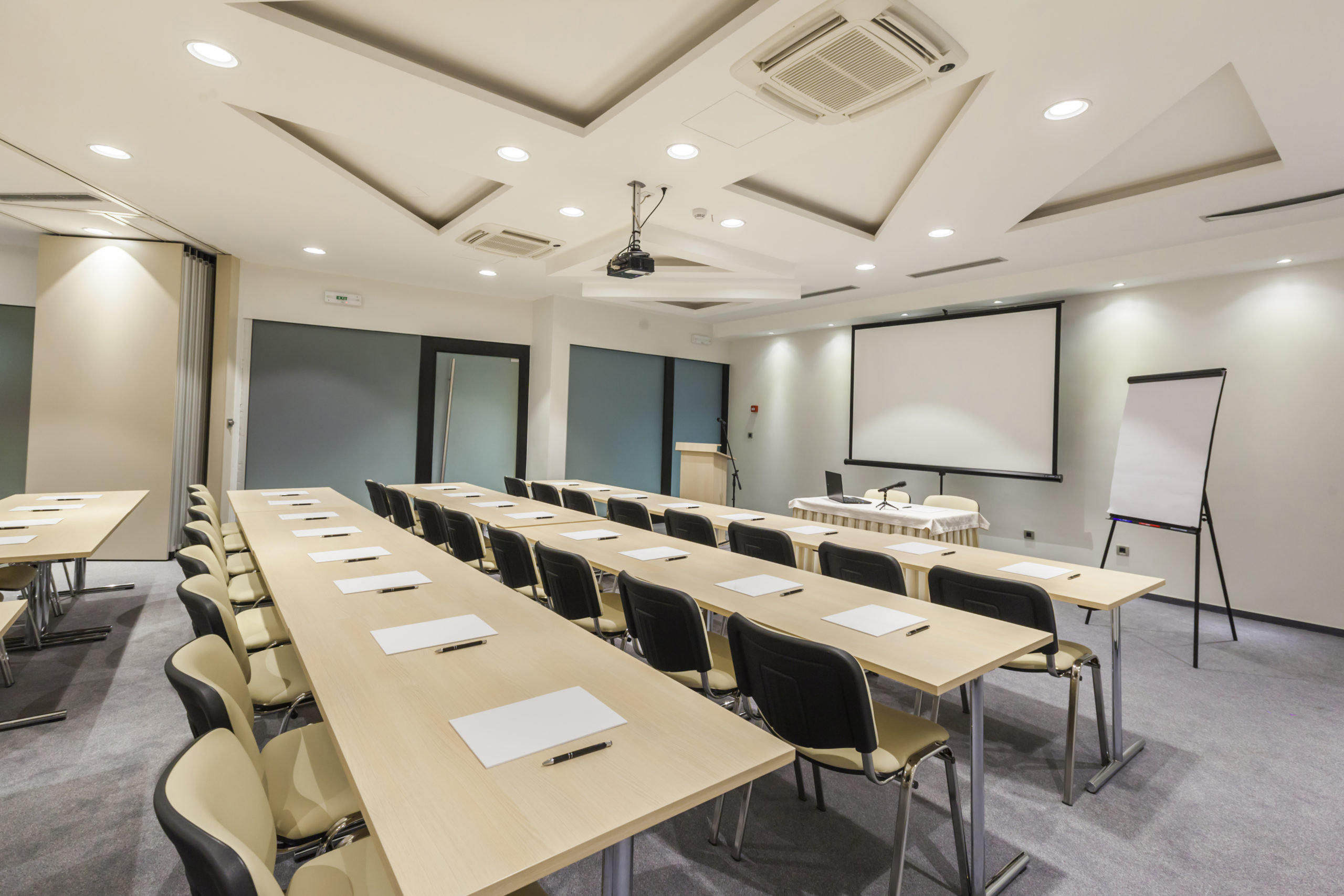
Creating an ideal acoustic environment is crucial for effective teaching and learning in educational spaces. The quality of acoustics in a classroom can significantly impact students’ ability to focus, comprehend, and retain information. Likewise, teachers benefit from an environment where their voices can be easily heard without strain. This article discusses key strategies and considerations for optimizing acoustics in educational settings.
Understanding the Importance of Classroom Acoustics
Acoustics refers to how sound behaves in a particular environment. In classrooms, effective acoustics can mean the difference between a productive learning session and a frustrating struggle to convey or absorb information. Here are several reasons why good acoustics matter:
- Minimizes background noise and distractions.
- Enhances speech clarity, making it easier for students to understand instructions.
- Reduces vocal strain for teachers, promoting healthier voice use.
- Supports better concentration and participation from students.
Learn more in this detailed guide about the significance of acoustics in educational settings.
Key Factors in Acoustic Design for Classrooms
Sound Absorption
Sound absorption involves using materials that reduce echo and reverberation within a space. Implementing sound-absorptive materials can transform a noisy classroom into a conducive learning environment. Consider the following materials:
- Acoustic ceiling tiles.
- Carpet or rugs to cover hard floors.
- Wall panels designed to absorb sound waves.
These materials can significantly improve the clarity of speech, making lessons more effective. Explore further insights here on selecting the right materials for optimal sound absorption.
Sound Insulation
Sound insulation prevents external noise from entering the classroom. Strategies for improving sound insulation include:
- Installing double-glazed windows to block outdoor noise.
- Using solid-core doors with soundproofing features.
- Sealing gaps and cracks around doors and windows with appropriate materials.
Good sound insulation ensures a quiet environment, free from outside disturbances, conducive to learning and teaching. Find additional information here about effective sound insulation techniques.
Classroom Layout and Design
The physical layout of a classroom can also influence its acoustic quality. Consider the following design elements:
- Classroom shape and size, which affect sound distribution.
- Placement of furniture, which can either obstruct or facilitate sound travel.
- Use of partitions or dividers to manage sound in multi-functional spaces.
Effective design can maximize the acoustic potential of a classroom and support better communication. Read more about this topic to understand how design impacts acoustics.
Implementing Acoustic Solutions
Implementing effective acoustic solutions requires a comprehensive approach, combining materials, design, and technology. Consider integrating:
- Sound amplification systems to enhance teacher voice projection.
- Interactive whiteboards and other technology that integrate sound features.
- Regular assessments of acoustic performance to ensure ongoing effectiveness.
Adapting these solutions can greatly enhance the educational experience by providing a clear and focused environment for both teaching and learning. Explore further insights here on implementing comprehensive acoustic solutions.
In conclusion, creating an ideal acoustic environment is essential for effective teaching. By focusing on sound absorption, insulation, classroom layout, and technology integration, educators can significantly improve the learning experience. With thoughtful design and strategic implementation, classrooms can become spaces where both students and teachers thrive.