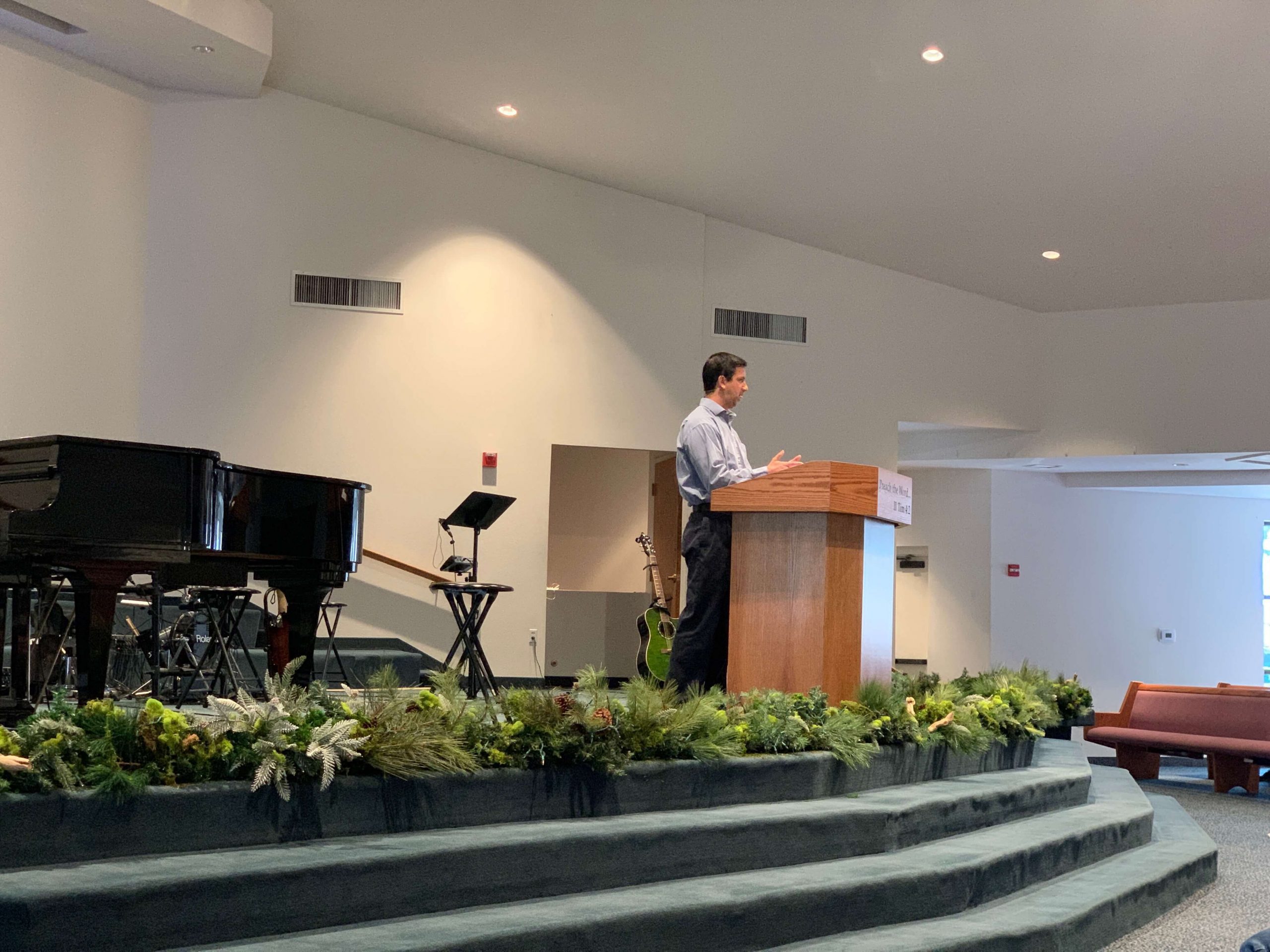
Phoenix, Arizona, is a vibrant city with a rich tapestry of historical landmarks and cultural heritage. Among these landmarks are the awe-inspiring churches that stand as a testament to the city’s diverse religious history and architectural beauty. From grand cathedrals to quaint chapels, the churches in Phoenix offer a unique insight into the spiritual and cultural evolution of the region. This article delves into the remarkable history and significance of these sacred sites, inviting visitors and locals alike to explore the stories embedded within their walls.
The Historical Roots of Phoenix Churches
The history of churches in Phoenix is as diverse as the city itself. The establishment of these churches began in the late 19th century, coinciding with the city’s growth and development. The influx of settlers from different parts of the United States brought with them a variety of religious traditions, laying the foundation for a multicultural and multi-denominational community.
- Early churches were primarily constructed by Catholic and Protestant communities.
- The architectural styles of these churches range from Gothic Revival to Romanesque and Spanish Mission.
- Many churches served as community centers, offering education and social services.
For those interested in the architectural and historical significance of these churches, it’s beneficial to discover expert strategies here on exploring the rich heritage of these sanctuaries.
Architectural Highlights
The architectural splendor of Phoenix’s churches is a major draw for tourists and history enthusiasts. These buildings not only serve as places of worship but also as masterpieces of design, reflecting the artistic trends of their respective eras.
Gothic Revival Style
This style is characterized by:
- Pointed arches and ribbed vaults.
- Intricate stained glass windows illustrating biblical tales.
- Elaborate stone carvings and spires.
Visitors can learn about our tailored solutions to appreciate these architectural details through guided tours and historical lectures.
Spanish Mission Influence
The Spanish Mission style is another prominent architectural influence seen in many Phoenix churches. Key features include:
- Thick adobe walls and red-tile roofs.
- Ornamental bell towers and courtyards.
- Simple, yet elegant interior design.
Those curious about this architectural style can explore advanced guides and tips for a deeper understanding of its historical context and evolution.
Significant Churches in Phoenix
St. Mary’s Basilica
St. Mary’s Basilica is one of Phoenix’s most iconic religious landmarks. Established in 1881, it is known for its stunning dome and beautiful stained glass windows. As the oldest Catholic parish in Phoenix, it holds a special place in the hearts of many residents.
Trinity Cathedral
Located in the heart of downtown Phoenix, Trinity Cathedral is an Episcopal church renowned for its Gothic architecture and community-focused initiatives. The cathedral frequently hosts cultural events, art exhibitions, and concerts, making it a cultural hub in the city.
To gain a comprehensive understanding of these and other significant churches, visitors can find out more about this approach through curated tours and historical resources.
The Cultural and Community Impact
Churches in Phoenix have played a pivotal role in shaping the cultural and social fabric of the city. They have been instrumental in:
- Providing social services and support to underserved communities.
- Promoting cultural exchange and understanding among diverse groups.
- Fostering a sense of community and belonging through various outreach programs.
In modern times, these churches continue to serve as beacons of hope and centers for communal activities, reflecting the evolving needs and aspirations of the city’s residents.
Exploring the churches of Phoenix offers a unique opportunity to connect with the city’s past and appreciate its cultural diversity. Whether you are a history buff, an architecture enthusiast, or simply seeking a moment of reflection, the churches of Phoenix invite you to embark on a journey through time and spirituality.