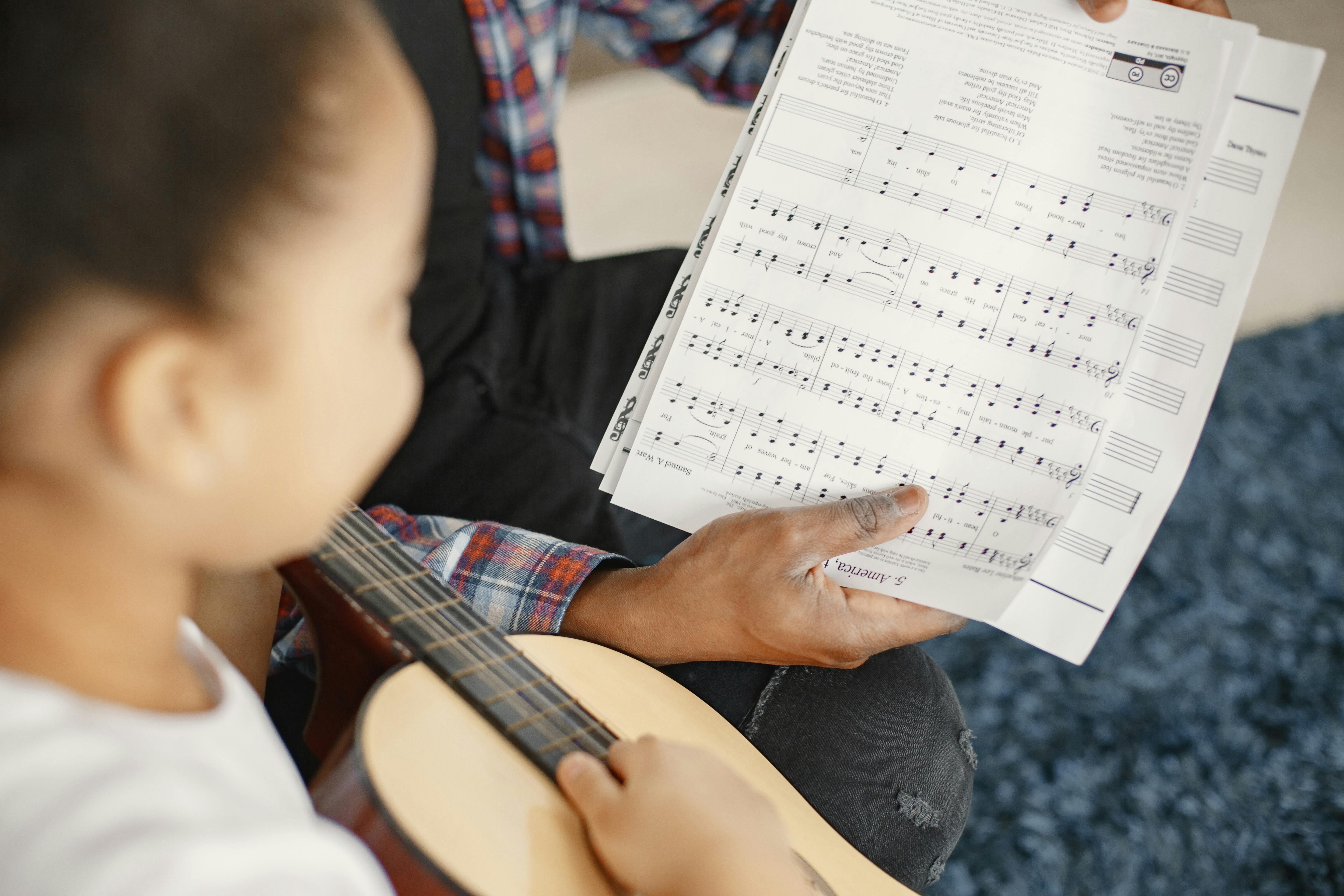
Music theory is an essential component of a well-rounded music education. It provides young learners with the foundational knowledge they need to understand and appreciate music deeply. For children, engaging with music theory can be both educational and enjoyable, sparking creativity and cognitive development. As parents and educators seek to nurture musical talents from an early age, structured music theory classes can be a cornerstone of this journey. These classes are designed to introduce the concepts of rhythm, melody, harmony, and notation, which are crucial for any budding musician.
Why Music Theory is Important for Kids
Music theory offers numerous benefits to children, enhancing their cognitive and emotional development. Engaging with music theory can:
- Improve mathematical skills through the understanding of patterns and structures in music.
- Enhance language skills by learning musical terminology and concepts.
- Boost memory retention and concentration through practice and repetition.
- Encourage creativity by enabling children to compose their own music.
- Develop critical thinking by analyzing and interpreting musical pieces.
Discover expert strategies here to further understand how music theory can impact a child’s development.
Key Components of Music Theory Classes for Kids
Introduction to Musical Notation
Understanding musical notation is akin to learning a new language. It involves recognizing notes, rests, clefs, and other symbols that convey rhythm and pitch. In beginner classes, children are introduced to these symbols through interactive activities and games, making the learning process fun and engaging.
Exploring Rhythm and Melody
Children learn to identify and replicate various rhythms and melodies, which is fundamental to music performance and composition. Through clapping exercises and vocalization, they develop a sense of timing and pitch. These skills are foundational for playing any musical instrument.
Basics of Harmony and Chords
Introducing harmony and chords helps children understand how different notes can be combined to create a pleasing sound. This aspect of music theory teaches them the basics of chord progression and the emotional impact of music. It also lays the groundwork for future instrumental or vocal training.
Choosing the Right Music Theory Class
When selecting a music theory class for children, consider the following factors:
- Curriculum: Ensure the curriculum covers all fundamental aspects of music theory and is suitable for the child’s age and skill level.
- Teaching Methods: Opt for classes that use engaging and interactive teaching methods, such as games and practical exercises.
- Qualified Instructors: Look for experienced instructors who can adapt their teaching style to suit individual learning needs.
- Class Size: Smaller class sizes often provide more personalized attention and support for young learners.
Learn about our tailored solutions here to find the best approach for your child’s music education.
Incorporating Music Theory into Daily Life
Beyond formal classes, incorporating music theory into daily life can greatly enhance a child’s learning experience. Here are some tips:
- Listen to a variety of music genres to understand different musical structures.
- Encourage children to practice music theory exercises regularly at home.
- Engage in musical activities such as singing, dancing, or playing simple instruments together.
- Use educational apps and online resources to supplement learning.
Explore advanced guides and tips here for more ideas on integrating music theory into everyday routines.
Conclusion
Music theory classes for kids are an invaluable investment in their overall development. By understanding the fundamentals of music, children not only enhance their musical abilities but also gain skills that benefit other areas of their lives. Whether through formal classes or incorporating music into daily activities, the journey of learning music theory is both enriching and rewarding. Find out more about this approach here and start your child’s musical journey today.