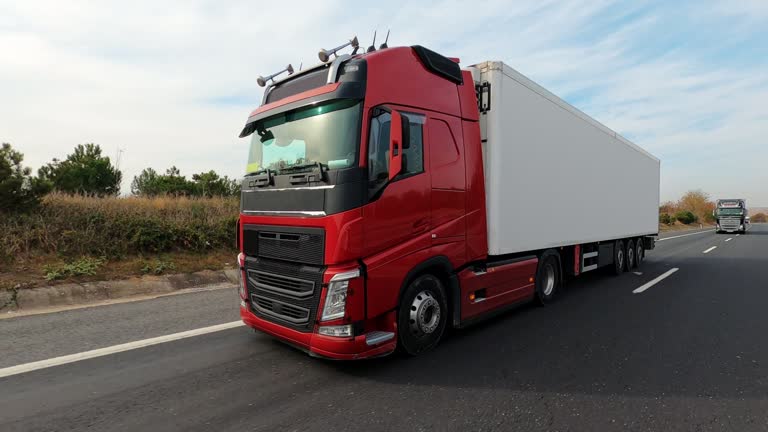
Moving across state lines from Greensboro requires careful planning, precise timing, and a clear understanding of the logistics involved. Whether relocating for a new job, expanding a family home, or consolidating a business operation, the distance adds layers of complexity that differ from a local move. By approaching the process methodically, researching reliable long-distance movers, creating a detailed inventory, and establishing realistic timelines, relocators can minimize stress and protect their belongings throughout the journey.
Why Choose a Specialized Long-Distance Moving Service?
Not all moving companies have the infrastructure or experience needed for cross-state relocations. Specialized long-distance movers bring:
- Dedicated transportation networks that comply with interstate regulations.
- Climate-controlled trucks for sensitive items.
- Trained staff familiar with packing, loading, and unloading over extended distances.
- Insurance options tailored to high-value or fragile goods.
For a deeper dive into the advantages of professional long-distance moving, Discover expert strategies here.
Step-by-Step Planning Guide
1. Establish a Realistic Timeline
Start by mapping out key dates: lease termination, school start dates, and any required move-in windows. A typical cross-state move from Greensboro to a destination 500+ miles away may take 3-7 days of transit, plus additional days for packing and unpacking.
- Begin inventory and decluttering at least 8 weeks before the move.
- Secure moving quotes and confirm availability 6 weeks out.
- Schedule final walkthroughs and utility transfers 2 weeks prior.
2. Conduct a Detailed Home Inventory
A comprehensive inventory helps estimate volume, weight, and cost. Use a spreadsheet or moving app to record:
- Item description and condition.
- Room location and dimensions.
- Special handling requirements (e.g., pianos, artwork).
Accurate data also streamlines the quoting process and ensures proper insurance coverage. Learn about our tailored solutions for inventory management.
3. Obtain and Compare Multiple Quotes
Request at least three detailed estimates from reputable long-distance movers. Each quote should break down:
- Base transportation fee.
- Additional services (packing, storage, specialty item handling).
- Fuel surcharge and any applicable taxes.
- Insurance coverage options.
Beware of unusually low bids that omit essential services. A transparent quote reflects a mover’s professionalism and commitment to customer safety.
4. Prepare Your Home for Packing
Effective packing reduces damage risk and maximizes space efficiency. Follow these best practices:
- Use high-quality, double-wall boxes for heavy items.
- Wrap fragile objects in bubble wrap or packing paper.
- Label each box with room name and a brief contents list.
- Disassemble large furniture when possible to fit more items per truck.
For packing tips and material recommendations, Explore advanced guides and tips.
Key Considerations for Cross-State Regulations
Interstate moves are subject to federal regulations overseen by the Department of Transportation (DOT). Understanding these rules helps avoid delays:
- Movers must hold a valid USDOT number and be registered with the FMCSA.
- Weight limits for trucks vary by state; professional movers calculate load distribution to stay compliant.
- Certain hazardous materials (e.g., chemicals, paint) require special permits.
Choosing a mover that adheres to these standards ensures a smooth transition across state lines. Find out more about this approach and how compliance is maintained.
Cost-Saving Strategies Without Compromising Quality
Budget-conscious relocators can still secure reliable service by implementing a few smart tactics:
- Flexible moving dates: Mid-week or off-season moves often receive discounts.
- Consolidate shipments: If moving multiple items, ask about shared-load options.
- Self-pack portions of the load: Packing non-fragile items yourself can lower labor costs.
- Utilize existing storage: Temporarily storing items at a friend’s house may be cheaper than paid storage units.
Final Checklist Before the Big Day
- Confirm moving date and arrival time with the carrier.
- Verify insurance coverage and keep a copy of the policy.
- Pack an essentials box (clothes, toiletries, important documents) for immediate use.
- Perform a final walk-through to ensure nothing is left behind.
- Leave keys and access instructions for the new occupants or property manager.
Post-Move Considerations
After the truck is unloaded, there are still steps to ensure a successful transition:
- Inspect all items for damage and file any claims promptly.
- Set up utilities and internet services in the new residence.
- Update address records with banks, insurers, and the postal service.
- Take time to unpack strategically, start with essential rooms like the kitchen and bedroom.
By following a structured plan, leveraging professional expertise, and staying informed about interstate moving requirements, a Greensboro resident can execute a cross-state relocation that is efficient, cost-effective, and stress-free. The combination of thorough preparation, reliable partners, and clear communication turns a complex logistical challenge into a manageable, well-orchestrated move.