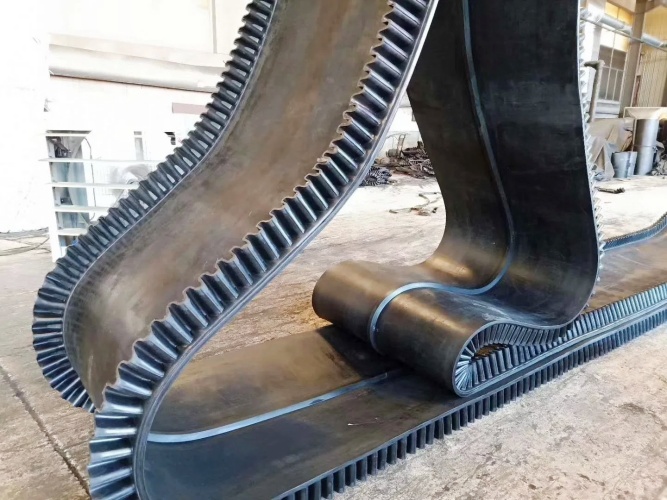
Material handling is a critical aspect of various industries, from mining to manufacturing, where the efficient movement of materials is essential for productivity and cost-effectiveness. Among the tools that have significantly enhanced this efficiency are corrugated sidewall belts. These belts are specially designed to handle a variety of materials, including bulk solids, with improved efficiency and reduced spillage. This article explores how these unique conveyor belts contribute to material handling efficiency, their design features, and the benefits they offer across different applications.
Understanding Corrugated Sidewall Belts
Corrugated sidewall belts are a type of conveyor belt specifically designed to transport materials vertically or on steep inclines. These belts feature corrugated sidewalls and transverse cleats, which help in containing the material being transported and prevent spillage. The design allows for a more secure transfer of materials, which is particularly beneficial in environments where minimizing waste is critical.
Key Design Features
- Corrugated Sidewalls: These sidewalls are flexible and allow for greater material containment, enabling the belt to handle steeper angles without losing material. This is crucial for operations that require vertical or high-incline material transport.
- Transverse Cleats: The cleats run across the belt and act as pockets that hold the material in place, preventing it from sliding back, especially on inclines.
- Durable Construction: Made from robust materials, these belts are designed to withstand harsh conditions and heavy loads, ensuring longevity and reliable performance.
Benefits of Using Corrugated Sidewall Belts
Incorporating corrugated sidewall belts into material handling systems offers several advantages that enhance efficiency and operational effectiveness.
Enhanced Material Handling Efficiency
- Increased Load Capacity: The design allows for the transport of larger volumes of material, reducing the number of trips needed and thus saving time and energy.
- Reduced Spillage: The containment features of the sidewalls and cleats significantly decrease material spillage, which means less waste and cleaner operations.
- Versatility: These belts can handle a wide range of materials, from fine powders to large aggregates, making them suitable for various industries.
Cost-Effectiveness
- Lower Maintenance Costs: The durability and reliability of the belts mean fewer repairs and replacements, leading to cost savings over time.
- Energy Efficiency: With improved material handling capabilities, operations become more energy-efficient, contributing to lower operational costs.
Applications Across Industries
Corrugated sidewall belts are used in numerous industries where efficient material handling is critical. Their ability to handle steep inclines and various materials makes them ideal for different applications.
- Mining: Used for transporting ores and other raw materials from underground to the surface, these belts improve mining operations by reducing transport time and costs.
- Construction: In construction, they are used for moving sand, gravel, and other building materials efficiently and without spillage.
- Agriculture: In agricultural settings, they facilitate the movement of grains and other products, ensuring minimal loss and damage.
- Manufacturing: These belts help in moving components and finished products through different stages of production, enhancing workflow efficiency.
Conclusion
Corrugated sidewall belts represent a significant advancement in material handling technology. Their unique design and ability to efficiently transport materials over steep inclines make them a valuable asset in various industries. By reducing spillage, increasing load capacity, and lowering operational costs, these belts offer a practical solution for improving productivity and efficiency. For industries looking to enhance their material handling systems, integrating these specialized conveyor belts can lead to substantial operational improvements.