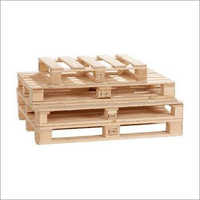
In the world of logistics and supply chain management, the integrity of products is paramount. Ensuring that goods reach their destinations in pristine condition is a top priority for businesses across the globe. One critical component that plays a significant role in maintaining this integrity is the pallet. Among the various types of pallets, heat-treated pallets have emerged as a reliable choice for businesses seeking to protect their products from potential risks during transit. These pallets offer numerous advantages, including compliance with international standards, protection against pests, and enhanced durability. This article delves into how heat-treated pallets ensure product integrity and why they are an indispensable asset in the logistics industry.
Understanding Heat-Treated Pallets
Heat-treated pallets undergo a specific process designed to eliminate pests and pathogens that can compromise product safety. This process, known as heat treatment, involves heating the pallets to a core temperature of at least 56 degrees Celsius for a minimum of 30 minutes. The procedure ensures that any harmful organisms present in the wood are eradicated, making these pallets compliant with the International Standards for Phytosanitary Measures No. 15 (ISPM 15).
Benefits of Heat-Treated Pallets
- Compliance with Global Regulations: The ISPM 15 standard is mandatory for wood packaging material used in international trade. Heat-treated pallets meet these requirements, ensuring seamless cross-border shipments. Learn about our tailored solutions here.
- Pest and Disease Control: By eliminating various pests and pathogens, heat treatment protects products from potential infestations, avoiding costly delays and product recalls.
- Enhanced Durability: The heat treatment process not only makes pallets pest-resistant but also increases their structural integrity, resulting in longer-lasting pallets that can withstand harsh conditions.
- Environmental Responsibility: Unlike chemical treatments, heat treatment is an environmentally friendly method that does not introduce harmful chemicals into the ecosystem.
Why Choose Heat-Treated Pallets?
Selecting heat-treated pallets is a strategic decision for businesses aiming to uphold product integrity. These pallets are not only effective at protecting goods but also contribute to operational efficiency. By minimizing the risk of pest-related disruptions, companies can focus more on their core operations and less on dealing with regulatory issues or product damages. Discover expert strategies here to enhance your supply chain processes.
Industries Benefiting from Heat-Treated Pallets
- Food and Beverage: Ensuring hygiene and safety is critical in this industry. Heat-treated pallets help prevent contamination and comply with stringent safety standards.
- Pharmaceuticals: With a focus on maintaining product efficacy, pharmaceuticals rely heavily on the secure transportation of goods. Heat-treated pallets provide the reliability needed in this sensitive sector.
- Manufacturing: From automotive to electronics, manufacturers benefit from the robust nature of heat-treated pallets, which support heavy loads and protect valuable components.
Implementing Heat-Treated Pallets in Logistics
Integrating heat-treated pallets into logistics operations requires a thoughtful approach. This involves assessing supply chain needs, understanding regulatory requirements, and selecting the right pallet specifications. For detailed guidance on implementing heat-treated pallets, explore advanced guides and tips here.
Key Considerations
- Cost Efficiency: Analyze the cost-benefit ratio of heat-treated pallets in comparison to alternatives. The long-term savings from reduced product loss and compliance penalties often outweigh initial expenditures.
- Supplier Reliability: Partner with trusted suppliers who provide certified heat-treated pallets. This ensures compliance with international standards and guarantees product quality.
- Logistical Planning: Incorporate heat-treated pallets into logistics planning to streamline operations and avoid potential disruptions.
In summary, heat-treated pallets are a vital component in ensuring product integrity across various industries. By adhering to global standards and offering robust protection against pests and environmental factors, these pallets facilitate smooth and efficient logistics operations. Businesses looking to enhance their supply chain processes and maintain product quality can find out more about this approach here.