Training a puppy can be an enriching experience, but it also requires patience and the right tools. One of the most effective ways to train a young dog is through the use of treats as positive reinforcement. Soft dog treats are particularly useful due to their palatable texture and easy consumption. However, with a wide array of options available, selecting the best treats can be daunting. This guide breaks down the key considerations for choosing the perfect soft dog treats for training your pup.
Understanding the Importance of Soft Dog Treats
Why Choose Soft Treats?
Soft treats are highly recommended for puppy training for several reasons:
- They are easy to chew, making them suitable for puppies who may have sensitive teeth.
- Their enticing aroma and flavor capture a pup’s attention quickly.
- They can be easily broken down into smaller pieces for multiple rewards.
When to Use Soft Treats
Soft dog treats are ideal for:
- Training sessions where quick consumption is beneficial.
- Rewarding positive behavior immediately after it occurs.
- Motivating your pup during challenging or new training exercises.
Key Features to Look for in Soft Dog Treats
Selecting the right treat involves considering several factors that ensure both the effectiveness of the training and the well-being of your pet.
Ingredients
When choosing natural pet treats, pay attention to the ingredient list:
- Opt for treats with natural ingredients, avoiding artificial preservatives and colors.
- Look for treats that contain real meat or other high-quality protein sources.
- Consider treats fortified with vitamins and minerals that support overall health.
Flavor
Puppies can be picky, so selecting treats with a flavor they enjoy is crucial:
- Common flavors include chicken, beef, and salmon.
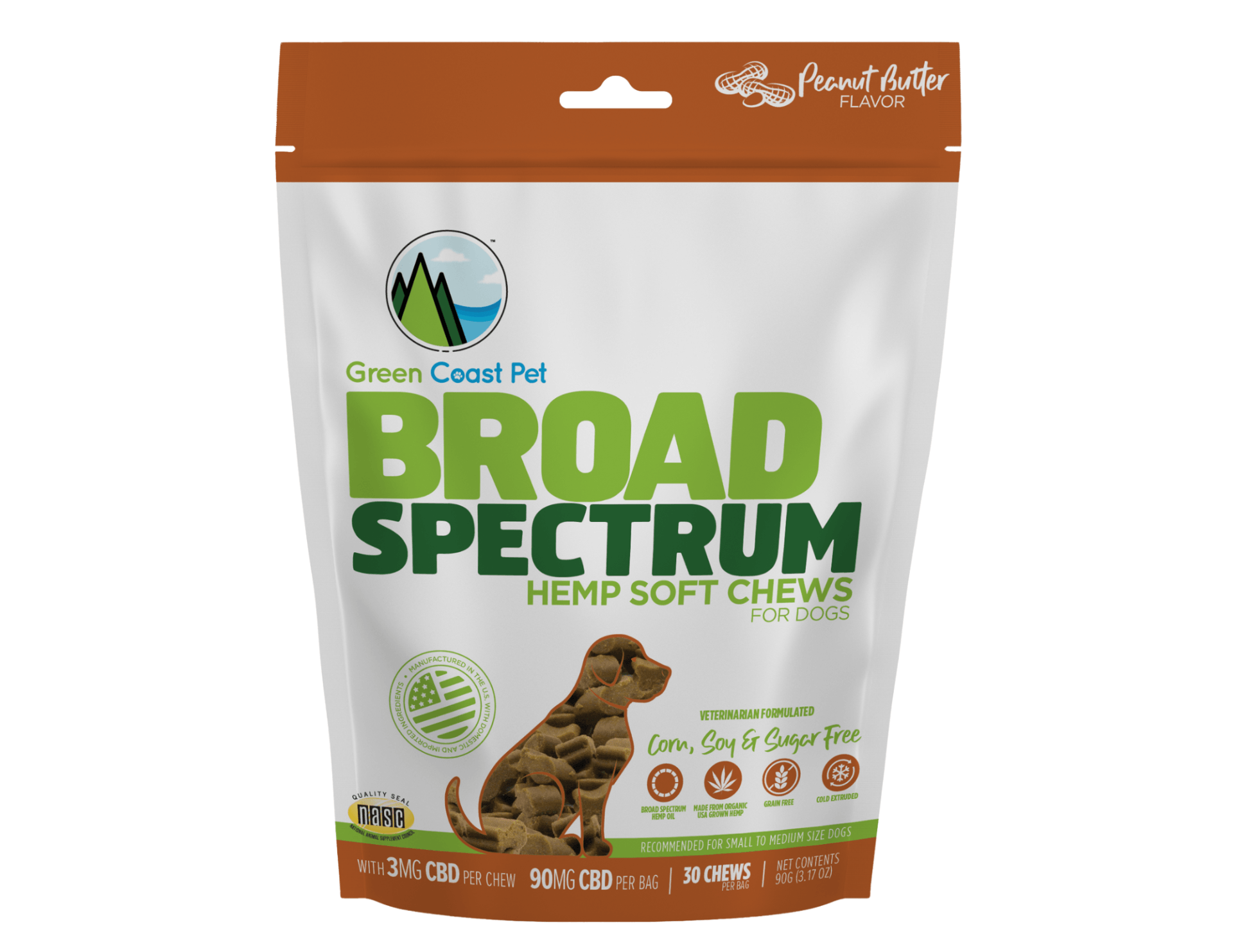
- Pawnut Butter is another popular choice for its rich taste.
- Experiment with different flavors to see which one your puppy prefers.
Evaluating the Size and Texture of Treats
Size Matters
The size of the treat can impact its effectiveness in training:
- Opt for small-sized treats that are easy for your pup to consume quickly.
- If large treats are chosen, break them into smaller pieces for convenience.
Texture Considerations
The texture plays a role in how appealing the treat is to your puppy:
- Soft and moist textures are generally more appealing to puppies.
- Avoid treats that are too sticky, as they can be messy and more challenging for puppies to eat.
Additional Considerations
Allergies and Sensitivities
Be mindful of any allergies or sensitivities your puppy may have:
- Check for common allergens like wheat, corn, and soy.
- Choose grain-free options if your puppy is sensitive to grains.
Calorie Content
Since treats are supplemental to a balanced diet, monitor their caloric content:
- Opt for low-calorie treats to avoid overfeeding.
- Consider the caloric intake from treats in your puppy’s overall diet to maintain a healthy weight.
Finding the right soft dog treats involves a careful balance of flavor, nutrition, and practicality. By keeping these factors in mind, you can choose treats that not only delight your puppy but also support effective training and a healthy lifestyle.