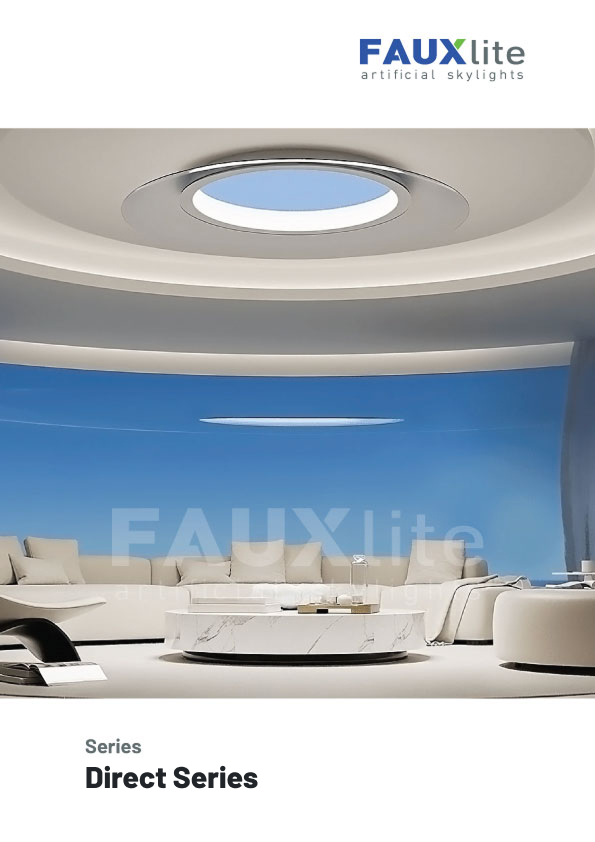
Bringing natural light into indoor spaces has long been a challenge for architects and interior designers. As urban environments grow denser and buildings reach higher, finding innovative ways to illuminate interiors without relying solely on electric lighting becomes essential. An artificial skylight presents a revolutionary solution by simulating natural sunlight in spaces where traditional skylights are impractical or impossible. These systems not only enhance aesthetic appeal but also promote well-being by mimicking the natural rhythms of daylight.
Understanding Artificial Skylights
Artificial skylights are designed to replicate the appearance and benefits of natural sunlight. By using advanced LED technology paired with optical systems, they create lighting that mimics the color, intensity, and dynamic quality of natural daylight.
Key Features
- High-quality LED lights that simulate the full spectrum of natural sunlight.
- Adjustable brightness and color temperature to match different times of day.
- Energy-efficient systems that reduce electricity consumption compared to traditional lighting.
- Easy integration into various architectural designs and settings.
Benefits of Artificial Skylights
Incorporating an artificial skylight into a design can transform any space. Here are some key advantages:
- Improved Mood and Productivity: Exposure to natural light has been shown to boost mood and enhance productivity. Artificial skylights provide these benefits in environments where natural sunlight is limited.
- Enhanced Aesthetic Appeal: These systems can create a visually pleasing environment by offering dynamic lighting conditions that change throughout the day, much like the natural sky.
- Health Benefits: Mimicking natural light can help regulate circadian rhythms, leading to better sleep patterns and overall health.
- Versatility: Suitable for use in residential, commercial, and institutional settings, making them a versatile lighting solution.
For more insights into how artificial skylights can be utilized effectively, discover expert strategies here.
Applications in Various Settings
Residential Spaces
In homes, artificial skylights can be used in areas lacking sufficient natural light, such as basements or interior rooms. They can transform dark, uninviting spaces into warm and welcoming areas.
Commercial Environments
Offices and retail spaces benefit greatly from the use of artificial skylights. They can enhance the shopping experience in retail spaces by creating a more inviting atmosphere and improve productivity and employee satisfaction in office settings.
To learn about tailored solutions for commercial applications, consider exploring available options.
Institutional Use
In educational and healthcare facilities, artificial skylights can contribute to a calming and focused environment. In schools, they can enhance learning environments, while in hospitals, they can support patient recovery by improving mood and reducing stress.
Installation and Maintenance
The installation of artificial skylights is typically straightforward, allowing for easy integration into existing structures. Here are some points to consider:
- Professional Installation: It is recommended to have them installed by professionals to ensure optimal performance and safety.
- Minimal Maintenance: Designed to be low-maintenance, these systems require little upkeep beyond occasional cleaning and inspection.
For detailed installation and maintenance guidelines, explore advanced guides and tips on maintaining these systems effectively.
Conclusion
Artificial skylights are a cutting-edge solution for bringing the benefits of natural light into spaces where traditional lighting falls short. Whether enhancing residential interiors, boosting productivity in commercial settings, or supporting healing environments in healthcare facilities, these systems offer versatile and sustainable lighting options. To find out more about this approach and how it can be tailored to specific needs, further exploration and consultation with lighting experts are recommended.