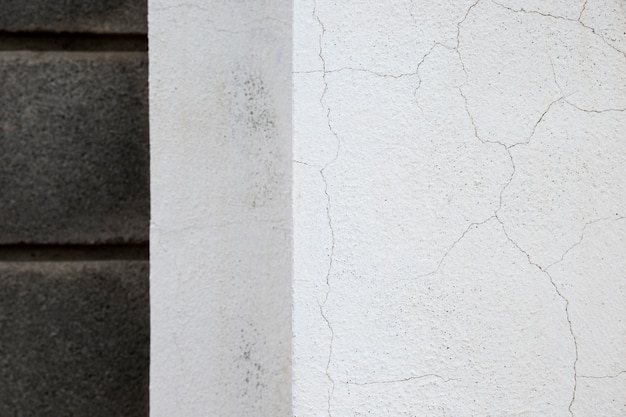
Foundation wall cracks are an inevitable part of a building’s lifecycle, often caused by natural settling, temperature changes, or moisture intrusion. While not every crack is a cause for alarm, it is essential to address them promptly to prevent further structural damage. Professional foundation wall crack repair requires a strategic approach, utilizing the right tools and materials to ensure a lasting solution. This article provides expert tips for tackling foundation wall cracks effectively.
Identifying the Cause of Cracks
Understanding the root cause of foundation wall cracks is crucial before undertaking any repair work. This involves examining the size, shape, and location of the cracks. Common causes include:
- Soil pressure and ground movement
- Water infiltration and drainage issues
- Temperature fluctuations causing expansion and contraction
- Poor construction practices
To accurately diagnose the cause, consider consulting with a structural engineer or a foundation repair specialist. Learn about our tailored solutions for addressing these foundational issues.
Methods of Crack Repair
Epoxy Injection
Epoxy injection is a popular method used to repair non-moving cracks in concrete walls. This technique involves injecting an epoxy resin into the crack, which then hardens to restore the structural integrity of the wall. This method is ideal for narrow cracks and is known for its durability.
Polyurethane Foam Injection
For cracks that are subject to water infiltration, a polyurethane foam injection may be more suitable. This method is effective for sealing cracks and preventing water from entering the foundation. Polyurethane foam is flexible, allowing it to accommodate slight movements in the wall without re-cracking.
Discover expert strategies here for choosing between epoxy and polyurethane based on your specific needs.
Preventive Measures
After repairing foundation wall cracks, it is vital to implement preventive measures to minimize the risk of future occurrences. Consider the following strategies:
- Ensure proper drainage away from the foundation to prevent water accumulation.
- Maintain a consistent moisture level around the foundation by using soaker hoses during dry periods.
- Regularly inspect your foundation for any new or worsening cracks.
- Address any structural concerns promptly to avoid exacerbating the problem.
For more detailed guidance on preventive measures, explore advanced guides and tips.
Evaluating Professional Services
When seeking professional foundation repair services, it is important to evaluate the expertise and reputation of the service provider. Consider checking online testimonials and reviews to gauge customer satisfaction. See what others are saying about us and how their experiences can guide your decision-making process.
Conclusion
Repairing foundation wall cracks is a critical task that requires a thorough understanding of the underlying issues and the appropriate repair techniques. By addressing the root cause of the cracks and implementing effective repair methods, you can ensure the structural stability and longevity of your building. For comprehensive solutions and expert advice, find out more about this approach to foundation wall crack repair.