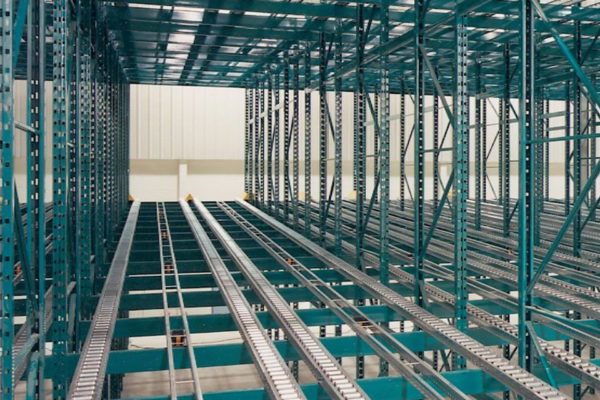
In the ever-evolving landscape of warehouse management, optimizing space and efficiency is paramount. As businesses strive to meet the increasing demands of consumers, the role of innovative storage solutions becomes crucial. Pallet flow racking emerges as a key player in this domain, offering a sophisticated method to enhance warehouse operations. By utilizing gravity and design ingenuity, pallet flow racking systems facilitate a seamless inventory rotation, reducing labor costs and maximizing storage capacity.
Benefits of Implementing Pallet Flow Racking
Pallet flow racking systems are designed to improve the efficiency and productivity of a warehouse. Here are several notable advantages:
- Increased Storage Density: These systems allow for higher density storage compared to traditional racking, making use of vertical space effectively.
- Efficient Inventory Management: By employing a first-in, first-out (FIFO) system, pallet flow racking ensures that older stock is used before newer stock, which is critical for perishable goods.
- Reduced Handling Time: The gravity-fed design minimizes the need for forklifts to enter aisles, reducing handling time and increasing safety.
- Cost-Effective Solution: With less manual labor required and optimized space utilization, operational costs are significantly lowered.
How Pallet Flow Racking Works
The mechanics of pallet flow racking systems are both simple and effective. The system uses inclined tracks with rollers, allowing pallets to glide from the loading end to the picking end. Here’s how it functions:
- Pallets are loaded onto the high end of the inclined track.
- Gravity propels them down the track towards the picking face.
- Braking systems are often integrated to control the speed and ensure safe transit of pallets.
- As one pallet is removed, the next one automatically advances, ensuring continuous flow.
For more in-depth insights, explore advanced guides and tips on enhancing warehouse operations with pallet flow racking.
Considerations for Implementation
Before integrating pallet flow racking systems, several factors should be assessed to ensure maximum benefit:
Warehouse Layout
A detailed analysis of the warehouse layout is crucial. Considerations include:
- The available space and how much can be allocated to pallet flow racking.
- Potential changes to the existing layout to accommodate new systems.
Product Specifications
Understanding the nature of the products stored is essential. Key considerations are:
- Weight and size of pallets to ensure compatibility with the racking system.
- Product turnover rate to determine if the FIFO system aligns with business needs.
Find out more about this approach to ensure a tailored solution that meets specific business requirements by visiting this page.
Conclusion
The integration of pallet flow racking into warehouse operations can significantly streamline processes, improve efficiency, and reduce costs. By understanding the mechanics, benefits, and considerations, businesses can make informed decisions that align with their operational goals. For those looking to enhance their warehouse capabilities, discover expert strategies here tailored to various industry needs.