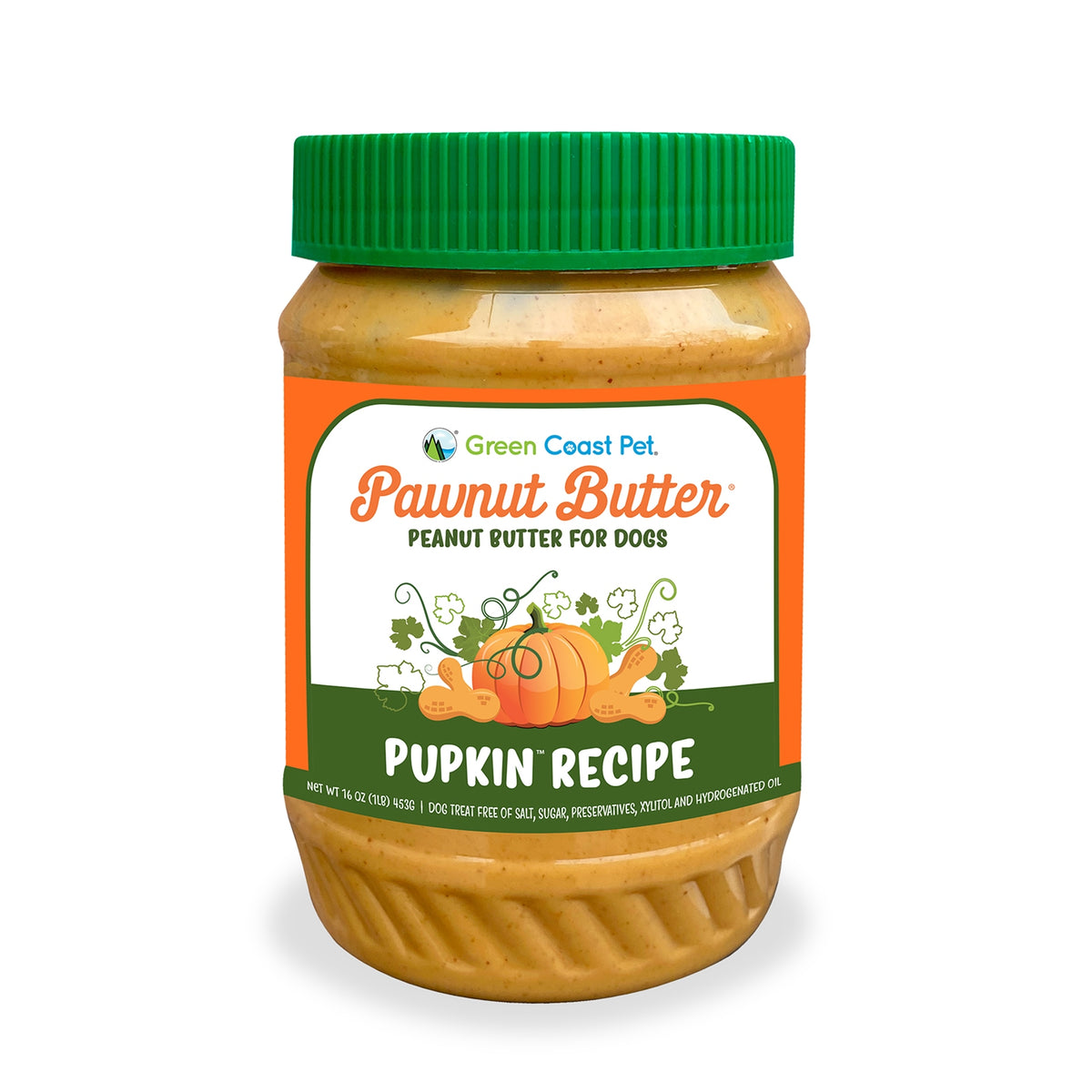
Dogs are known for their love of treats, and peanut butter is often at the top of their list. However, not all peanut butter is created equal, especially when it comes to the health and safety of our canine companions. Understanding the ingredients and nutritional value of the peanut butter you offer your dog is crucial to ensuring their well-being. This article delves into the essentials of dog peanut butter, providing insights and tips to make informed decisions.
Why Peanut Butter for Dogs?
Peanut butter is a popular treat choice for dogs for several reasons:
- Rich in healthy fats and protein, offering nutritional benefits.
- Acts as an excellent medium for administering medication.
- Engages a dog?s sense of taste, providing a rewarding experience.
Key Considerations When Choosing Peanut Butter
Ingredients to Avoid
When selecting peanut butter for dogs, it is important to scrutinize the ingredient list. Here are some components to steer clear of:
- Xylitol: A sugar substitute that is toxic to dogs, potentially leading to severe health issues.
- Excessive Salt: High sodium levels can be harmful to dogs, causing dehydration and other health concerns.
- Added Sugar: While a small amount of natural sugar is acceptable, added sugars should be minimized.
For more information on selecting the right peanut butter, explore advanced guides and tips on this topic.
Nutritional Benefits
Peanut butter can offer several health benefits to dogs when chosen correctly:
- High in protein, supporting muscle development and energy levels.
- Contains healthy fats that can enhance coat and skin health.
- Provides essential vitamins and minerals such as vitamin E, magnesium, and zinc.
Interested in more nutritional insights? Find out more about this approach to pet nutrition.
Serving Suggestions and Safety Tips
Proper serving and safety measures are vital to ensure your dog enjoys peanut butter safely:
- Moderation is Key: Treats should not constitute more than 10% of your dog?s daily caloric intake.
- Consult a Vet: Before introducing peanut butter, especially if your dog has dietary restrictions.
- Choose Dog-Specific Products: Products specifically designed for dogs, such as those that exclude harmful additives, are preferable.
To learn about our tailored solutions for canine health, discover expert strategies here.
Alternatives to Traditional Peanut Butter
For pet owners seeking alternatives, several options provide similar benefits:
- Almond Butter: Ensure it is free from artificial sweeteners and low in salt.
- Pumpkin Puree: A fiber-rich alternative that supports digestion.
Explore these alternatives and learn about our tailored solutions for healthy treats.
In conclusion, peanut butter can be a delightful and nutritious treat for dogs when chosen and served correctly. By paying attention to ingredients and serving guidelines, pet owners can ensure their furry friends enjoy this treat safely. For further guidance on pet nutrition and safe treat options, explore advanced guides and tips available from trusted sources.