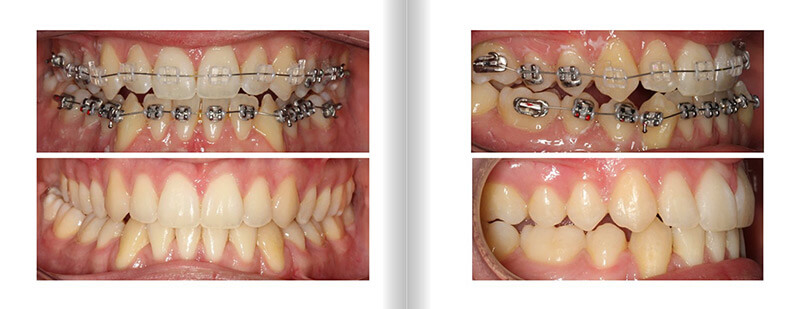
Braces can be a significant milestone in a child’s development, not only enhancing their oral health but also boosting their confidence with a straighter, more attractive smile. As a parent, understanding the essentials of kids’ braces is crucial in making informed decisions that lead to successful orthodontic treatment. This guide outlines everything parents need to know about kids’ braces, from determining the right time for treatment to understanding the types of braces available and what the process entails. For further detailed insights, explore further insights here.
When to Consider Braces for Your Child
Determining the appropriate time for orthodontic treatment can vary based on individual needs. While there’s no universal age for braces, children should generally have their first orthodontic evaluation by age 7. Early assessment can:
- Identify developmental issues with teeth and jaw alignment.
- Allow for timely intervention to guide teeth and jaw growth.
- Potentially reduce treatment time for braces later on.
For a comprehensive understanding of when braces might be necessary, learn more in this detailed guide.
Types of Braces Available
Several types of braces are available for kids, each with its own advantages. Understanding these options can help in choosing the best treatment path.
Traditional Metal Braces
These are the most common type of braces, consisting of metal brackets and wires. They are highly effective for complex dental issues and are often the most economical option.
Ceramic Braces
Ceramic braces function similarly to metal braces but use clear or tooth-colored brackets that blend with the teeth. They are less noticeable, making them a popular choice for older children and teens.
Lingual Braces
Lingual braces are attached behind the teeth, making them invisible from the front. They can be more challenging to adjust to but offer a discreet treatment option.
Clear Aligners
Clear aligners are a series of custom-made, removable trays that gradually straighten teeth. They are virtually invisible and require fewer orthodontic visits, though they may not be suitable for all cases. Find additional information here about the suitability of different braces types.
The Process of Getting Braces
The process of getting braces involves several steps, each critical to achieving the desired results.
Initial Consultation
During the initial consultation, an orthodontist will assess your child’s teeth and jaw alignment, discuss treatment options, and develop a personalized treatment plan.
Placement of Braces
The placement of braces is a straightforward procedure typically lasting about one to two hours. The orthodontist will bond brackets to the teeth and connect them with a wire.
Adjustments and Maintenance
Regular adjustments are necessary to ensure the braces are working effectively. These appointments usually occur every four to six weeks. Maintaining good oral hygiene is crucial during this time to prevent cavities and gum disease.
Post-Treatment and Retainers
Once the braces are removed, retainers are usually prescribed to maintain the new position of the teeth. Adhering to the orthodontist’s instructions regarding retainer use is vital for long-term success.
Conclusion
Understanding the journey of kids’ braces can significantly impact the success of the treatment. Parents play a crucial role in supporting their child through the process, ensuring that they maintain oral hygiene and attend regular orthodontic appointments. For more comprehensive guidance on kids’ braces, read more about this topic.