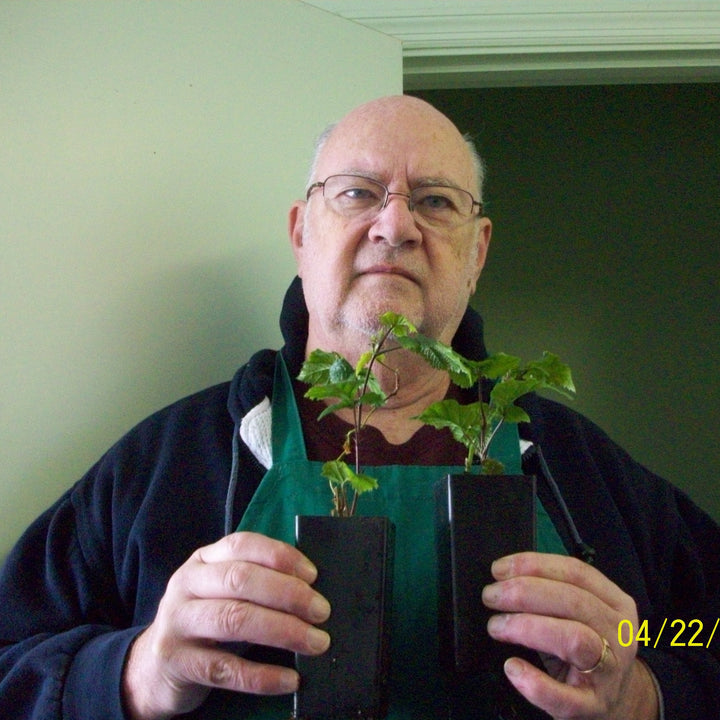
Thornless blackberry plants are becoming increasingly popular among gardeners and fruit enthusiasts alike. Known for their sweet, juicy berries and lack of thorns, these plants offer a convenient and enjoyable gardening experience. Whether you’re a seasoned gardener or a beginner looking to add a fruitful addition to your garden, thornless blackberries present a compelling choice. This article delves into the benefits of these plants, how to grow them successfully, and some expert insights into maximizing their yield.
Benefits of Thornless Blackberry Plants
Thornless blackberry plants offer numerous advantages that make them an attractive option for gardeners:
- Ease of Harvesting: The absence of thorns means that picking berries is a hassle-free task, making it safe and enjoyable for both adults and children.
- High Yield: Thornless varieties are known for their abundant fruit production, supplying plenty of berries throughout the season.
- Minimal Maintenance: These plants require less pruning and care compared to their thorny counterparts, allowing more time to enjoy the fruits of your labor.
- Attractive Landscaping: Without thorns, these plants can be used as ornamental elements in gardens, adding beauty and function.
Growing Thornless Blackberry Plants
Starting your own thornless blackberry patch can be a rewarding endeavor. Here are some key tips to ensure success:
Choosing the Right Location
Ensure your blackberry plants receive full sun for optimal growth. A location with well-drained soil and good air circulation is ideal to prevent disease.
Planting and Spacing
When planting thornless blackberries, space them about three to five feet apart in rows that are six to eight feet apart. This spacing allows for adequate air circulation and room for growth.
For more detailed planting strategies, discover expert strategies here.
Watering and Fertilization
Blackberries require consistent watering, especially during dry spells. A drip irrigation system can help maintain moisture levels. Fertilize with a balanced fertilizer in early spring and again after harvest.
Maximizing Yield
To get the most out of your thornless blackberry plants, consider the following practices:
Pruning Techniques
Regular pruning encourages healthy growth and maximizes fruit production. Focus on removing old canes that have already fruited and thin out new canes to prevent overcrowding.
For more about specialized pruning techniques, learn about our tailored solutions.
Pest and Disease Management
Monitor plants for common pests like aphids and diseases such as anthracnose. Implementing integrated pest management strategies can help maintain plant health without excessive chemical use.
To explore more advanced guides and tips on pest management, explore advanced guides and tips.
Soil and Nutrient Management
Conduct soil tests to determine nutrient deficiencies and amend soil accordingly. Organic matter like compost can improve soil structure and nutrient availability.
Conclusion
Thornless blackberry plants provide an excellent opportunity for gardeners to enjoy fresh, homegrown berries without the hassle of thorns. By selecting the right variety and following best practices for planting, care, and maintenance, it’s possible to cultivate a thriving blackberry patch that yields delicious fruit year after year. Find out more about this approach and start planning your garden today.