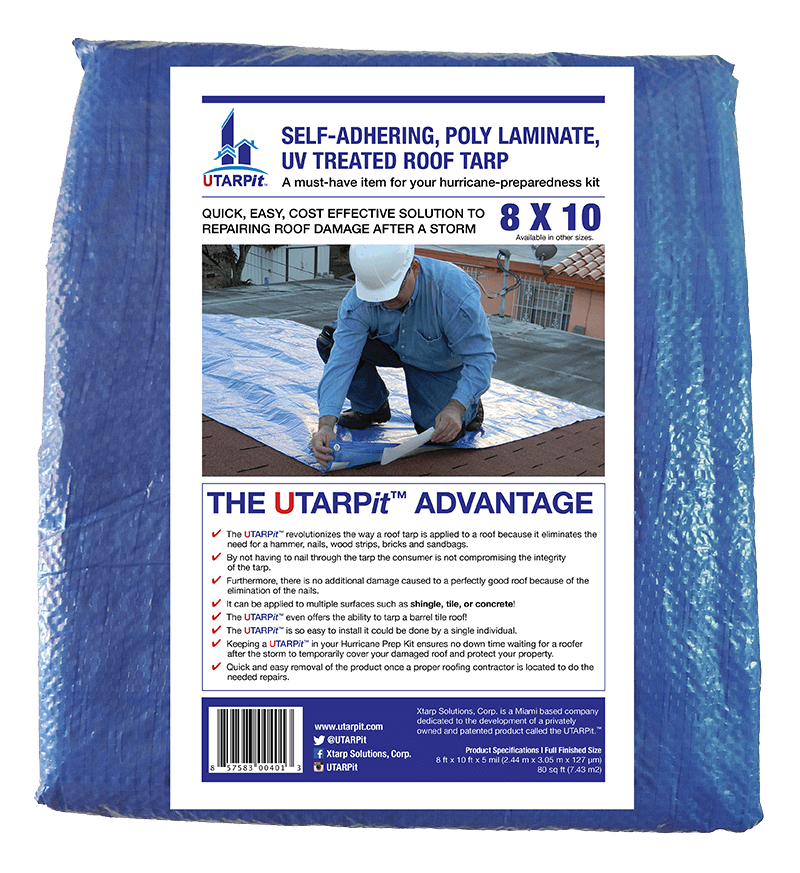
Protecting a roof is crucial for maintaining the longevity and safety of a home or building, especially in areas prone to severe weather conditions. High-quality tarping solutions can provide a temporary yet effective barrier against elements such as rain, wind, and debris. Choosing the right tarping solution and understanding how to apply it correctly are essential steps in safeguarding your roof and ensuring it remains in optimal condition until permanent repairs can be made.
Understanding the Importance of Roof Tarping
Roof tarping is an essential stopgap measure that helps prevent further damage after a roof has been compromised. This temporary solution is particularly valuable after storms, hurricanes, or any event that might lead to roof damage.
- Prevents water intrusion which can lead to mold and mildew.
- Helps avoid costly structural damage.
- Serves as a temporary fix until professional repairs can be completed.
Choosing the Right Roofing Tarp
Selecting the appropriate roofing tarp is crucial for effective protection. Several factors should be considered to ensure the tarp serves its purpose efficiently.
Material and Durability
Look for tarps made of high-density polyethylene or similar durable materials. These offer excellent resistance against tearing and UV rays, ensuring a longer lifespan even when exposed to harsh conditions.
Size and Coverage
It’s essential to measure the area of the roof that needs to be covered accurately. Tarps are available in various sizes, such as the 8 ft x 10 ft option, which provides ample coverage for most residential needs.
Steps to Effectively Apply a Roofing Tarp
Proper application of a roofing tarp is critical for its effectiveness. Here are the steps to follow:
Preparation
- Ensure safety by wearing appropriate gear and using ladders or scaffolding safely.
- Clear debris and any loose shingles from the roof to provide a clean surface.
Installation
- Unroll the tarp and position it over the damaged area, ensuring it extends over the roof’s peak to prevent water pooling.
- Use wooden planks or sandbags to weigh down the edges, securing them with nails or screws without puncturing the tarp itself.
Maintaining the Tarp for Longevity
Regular maintenance of the tarp is necessary to ensure it continues to provide protection effectively.
- Inspect the tarp regularly for signs of wear and tear, especially after severe weather events.
- Replace the tarp if any significant damage is noticed, as small tears can quickly lead to larger problems.
Conclusion
Implementing high-quality tarping solutions is a vital step in protecting a roof from further damage. By selecting the right materials and understanding how to apply and maintain them, homeowners can secure their properties effectively until permanent repairs are made. Investing in a reliable roofing tarp is a wise decision for anyone looking to safeguard their home against the unpredictable forces of nature.