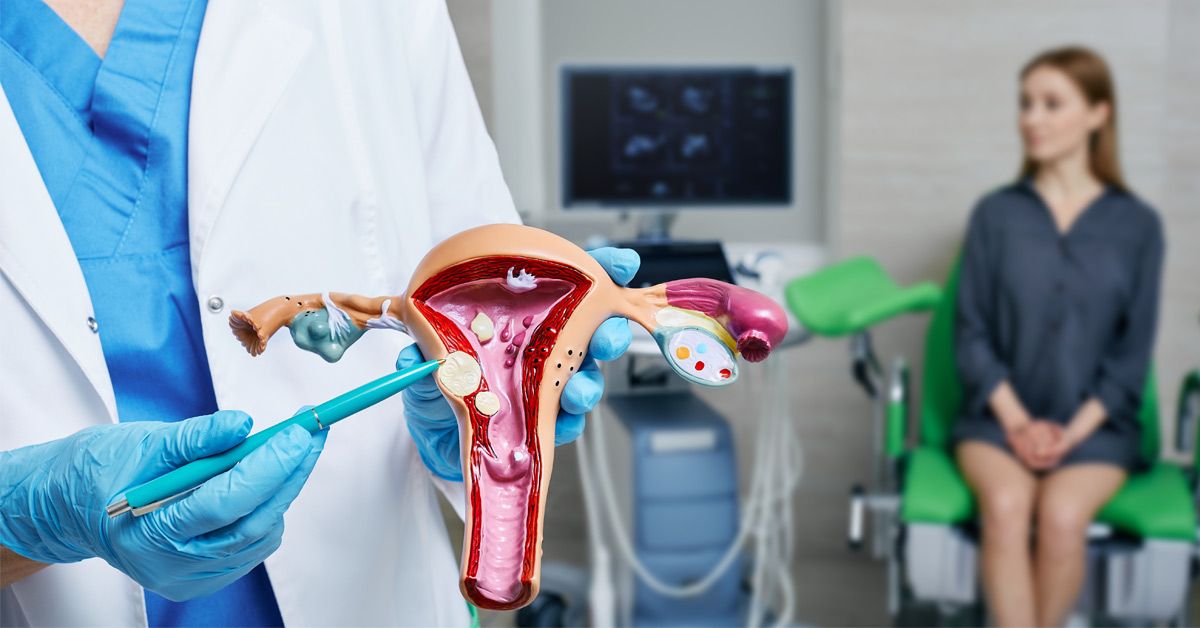
Uterine fibroids are a common condition affecting millions of women worldwide. These non-cancerous growths can cause a range of symptoms, from heavy menstrual bleeding and pelvic pain to urinary frequency and constipation. While traditional treatment options often involve surgery, a non-invasive alternative has gained popularity in recent years: uterine fibroid embolization. This minimally invasive procedure has proven effective in shrinking fibroids, alleviating symptoms, and improving quality of life for many women.
What is Uterine Fibroid Embolization?
Uterine fibroid embolization, or UFE, is a procedure that involves blocking the blood supply to the fibroids, causing them to shrink and eventually disappear. This is achieved through a minimally invasive technique, where a small catheter is inserted through the femoral artery in the groin and guided to the uterus. Tiny particles are then released, blocking the blood vessels that feed the fibroids, effectively cutting off their supply of oxygen and nutrients.
Benefits of Uterine Fibroid Embolization
- Minimally invasive, reducing the risk of complications and scarring
- Effective in shrinking fibroids, reducing symptoms and improving quality of life
- No need for general anesthesia, allowing patients to return home the same day
- Low risk of infection and other complications
How Does Uterine Fibroid Embolization Work?
The procedure is typically performed under local anesthesia, and patients are awake and alert throughout. The catheter is inserted through the femoral artery, and a special dye is injected to visualize the blood vessels. The tiny particles are then released, blocking the blood vessels that feed the fibroids. This process is usually completed within 30-60 minutes, and patients can expect to spend several hours in the hospital for observation and recovery.
What to Expect After Uterine Fibroid Embolization
After the procedure, patients may experience some discomfort, bruising, and swelling in the treated area. These symptoms are usually temporary and resolve on their own within a few days. Patients can return to their normal activities within a few days, and most women can expect to see significant improvements in their symptoms within a few weeks.
For many women, uterine fibroid embolization has been a game-changer in managing their symptoms and improving their quality of life. If you’re considering this non-surgical solution, it’s essential to consult with a qualified healthcare professional to determine if UFE is right for you. With its proven track record of success and minimal risk of complications, UFE is an excellent option for women seeking a non-invasive treatment for uterine fibroids.
Is Uterine Fibroid Embolization Right for You?
Uterine fibroid embolization is a viable option for women of all ages, but it’s essential to discuss your individual situation with a qualified healthcare professional. This procedure is typically recommended for women who have not responded to traditional treatments or have significant symptoms that are impacting their daily life. If you’re considering UFE, be sure to discuss the benefits and risks with your healthcare provider to determine if it’s the right choice for you.
For more information on uterine fibroids and uterine fibroid embolization, visit Uterine Fibroid Embolization and learn how this non-surgical solution can help you take control of your symptoms and improve your quality of life.