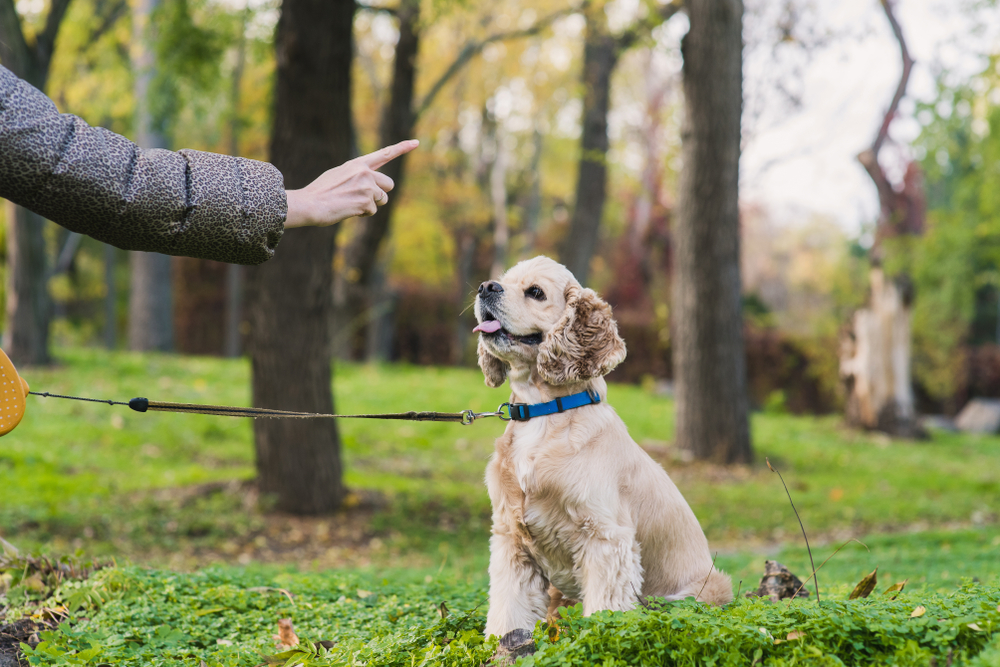
Dog training private lessons offer a personalized approach to addressing behavioral challenges, enhancing obedience, and building a stronger bond between dogs and their owners. These sessions provide an opportunity for trainers to focus on the individual needs of each dog, using advanced techniques that are often more effective than generic group classes. By understanding the unique personality and learning style of each dog, trainers can tailor their methods to achieve optimal results. Whether the goal is to correct problem behaviors, teach new skills, or simply improve communication, private lessons can be a valuable investment in a dog’s development.
Understanding the Dog’s Psychology
To implement advanced training techniques, it is crucial to have a deep understanding of canine psychology. Dogs, like humans, have distinct personalities and learning styles. Recognizing these can greatly aid in designing effective training programs. Here are some key aspects to consider:
- Temperament: Understanding whether a dog is more dominant or submissive can influence the choice of training methods.
- Learning Style: Some dogs respond better to visual cues, while others might be more auditory or tactile learners.
- Motivators: Identifying what motivates a dog, such as food, play, or praise, can enhance the effectiveness of the training.
For more insights into canine psychology and how it affects training approaches, discover expert strategies here.
Advanced Training Techniques
Positive Reinforcement and Clicker Training
Positive reinforcement is a cornerstone of advanced dog training. It involves rewarding desired behaviors to encourage repetition. Clicker training is a popular method that uses a sound to mark the precise moment a dog performs the desired action. This technique allows for clear communication and can accelerate learning.
To effectively use clicker training:
- Introduce the clicker by pairing the sound with a treat, so the dog associates it with rewards.
- Use the clicker to mark specific behaviors immediately, then follow with a reward.
- Gradually phase out the clicker once the behavior becomes consistent.
Find out more about this approach to enhance your dog’s training sessions.
Behavioral Adjustment Training (BAT)
Behavioral Adjustment Training is designed to help dogs manage reactivity to stimuli such as other dogs or loud noises. This technique focuses on allowing the dog to make choices and rewarding calm behavior.
Steps in BAT include:
- Observing the dog’s threshold for stress and working within it to prevent overwhelming situations.
- Using a long leash to give the dog freedom to make decisions while maintaining control.
- Rewarding the dog for choosing to disengage from the stimulus or for showing calm behaviors.
Explore advanced guides and tips on BAT here.
Benefits of Private Lessons
Private dog training lessons provide numerous benefits that can enhance the training experience and outcomes:
- Customized Training Plan: Each session is tailored to the dog’s specific needs, ensuring that the most effective techniques are used.
- Focused Attention: One-on-one sessions allow trainers to give undivided attention, leading to faster progress.
- Flexible Scheduling: Private lessons can be scheduled at times that are convenient for the owner, making it easier to maintain consistency.
To learn about tailored solutions that fit your dog’s unique needs, learn about our tailored solutions.
Conclusion
Advanced techniques in dog training private lessons offer a personalized and effective way to address the specific needs of your dog. By understanding canine psychology and employing methods such as positive reinforcement, clicker training, and BAT, trainers can help dogs learn and adapt more effectively. Consider investing in private lessons to foster a deeper bond and improve your dog’s behavior and skills.
For more information and resources, explore advanced guides and tips to elevate your dog’s training experience.