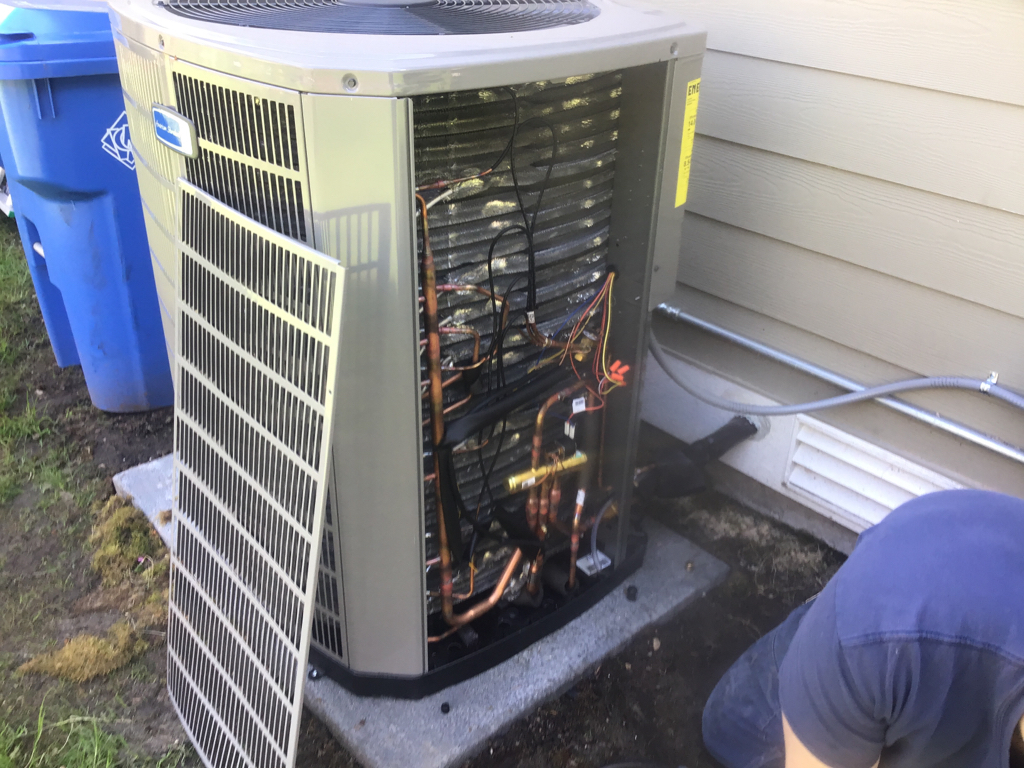
In the realm of home maintenance, HVAC systems play a pivotal role in ensuring a comfortable living environment. A comprehensive inspection of heating, ventilation, and air conditioning (HVAC) systems is essential for maintaining efficiency, reducing energy costs, and prolonging equipment lifespan. Regular inspections can prevent unexpected breakdowns and costly repairs. This article delves into the nuances of HVAC inspection services, outlining their scope, benefits, and recommended practices.
Understanding HVAC Inspection Services
HVAC inspection services encompass a thorough evaluation of the heating and cooling systems within a property. These services aim to identify potential issues before they escalate into significant problems. During an inspection, a technician will assess the system’s performance, safety, and efficiency, ensuring that all components are functioning correctly.
Key Components of an HVAC Inspection
- Thermostat Functionality: Checking the accuracy and responsiveness of the thermostat to ensure correct temperature regulation.
- Electrical Connections: Inspecting wiring and connections to prevent electrical hazards.
- System Controls: Verifying the operational integrity of system controls to ensure proper cycling and safe operation.
- Air Filters: Evaluating the condition of air filters, which are crucial for air quality and system efficiency.
- Refrigerant Levels: Checking refrigerant levels in cooling systems to prevent inefficiencies or system damage.
- Heat Exchanger: Examining for cracks or damage that could lead to dangerous carbon monoxide leaks.
- Ventilation: Ensuring proper ventilation throughout the system to maintain air quality and system performance.
Benefits of Regular HVAC Inspections
Regular HVAC inspections offer numerous benefits that contribute to the overall well-being of a home or commercial space.
- Enhanced Efficiency: Regular maintenance keeps systems running at optimal efficiency, reducing energy consumption and costs.
- Prolonged Equipment Life: Identifying and addressing issues early can extend the lifespan of HVAC components.
- Improved Air Quality: Clean filters and proper ventilation help maintain healthy indoor air quality.
- Safety Assurance: Inspections can uncover potential safety hazards, such as gas leaks or electrical faults.
- Peace of Mind: Knowing that the HVAC system is functioning correctly provides homeowners with assurance and comfort.
Read more about this topic in our detailed guide on HVAC inspections.
Recommended Frequency for Inspections
The frequency of HVAC inspections can vary based on factors such as system age, usage intensity, and environmental conditions. However, a general guideline suggests:
- Bi-annual Inspections: Ideally, systems should be inspected twice a year, once before the cooling season and once before the heating season.
- Seasonal Check-ups: For areas with extreme weather variations, more frequent inspections may be necessary.
- After Major Weather Events: Inspections should be conducted after significant weather events, such as storms or floods, to ensure no damage has occurred.
Explore further insights on inspection schedules here.
The Role of Professional Technicians
Professional technicians possess the expertise and tools necessary for conducting detailed HVAC inspections. They can provide valuable insights into the system’s condition and recommend maintenance tasks or upgrades as needed. A professional inspection includes:
- Comprehensive System Analysis: Conducting a full evaluation of the system’s performance and identifying areas for improvement.
- Detailed Reporting: Providing a thorough report of findings, including recommendations for maintenance or repairs.
- Expert Advice: Offering guidance on energy-saving measures and system upgrades for enhanced performance.
Learn more in this detailed guide about the importance of professional assessments from trusted resources here.
Conclusion
Ensuring the optimal performance of an HVAC system is crucial for comfort, safety, and cost-efficiency. Comprehensive HVAC inspections are a proactive measure that can prevent major issues, extend the lifespan of equipment, and enhance indoor air quality. By engaging professional inspection services and adhering to recommended maintenance schedules, property owners can safeguard their investment and ensure a comfortable living or working environment. For more information on maintaining HVAC systems effectively, find additional information here.