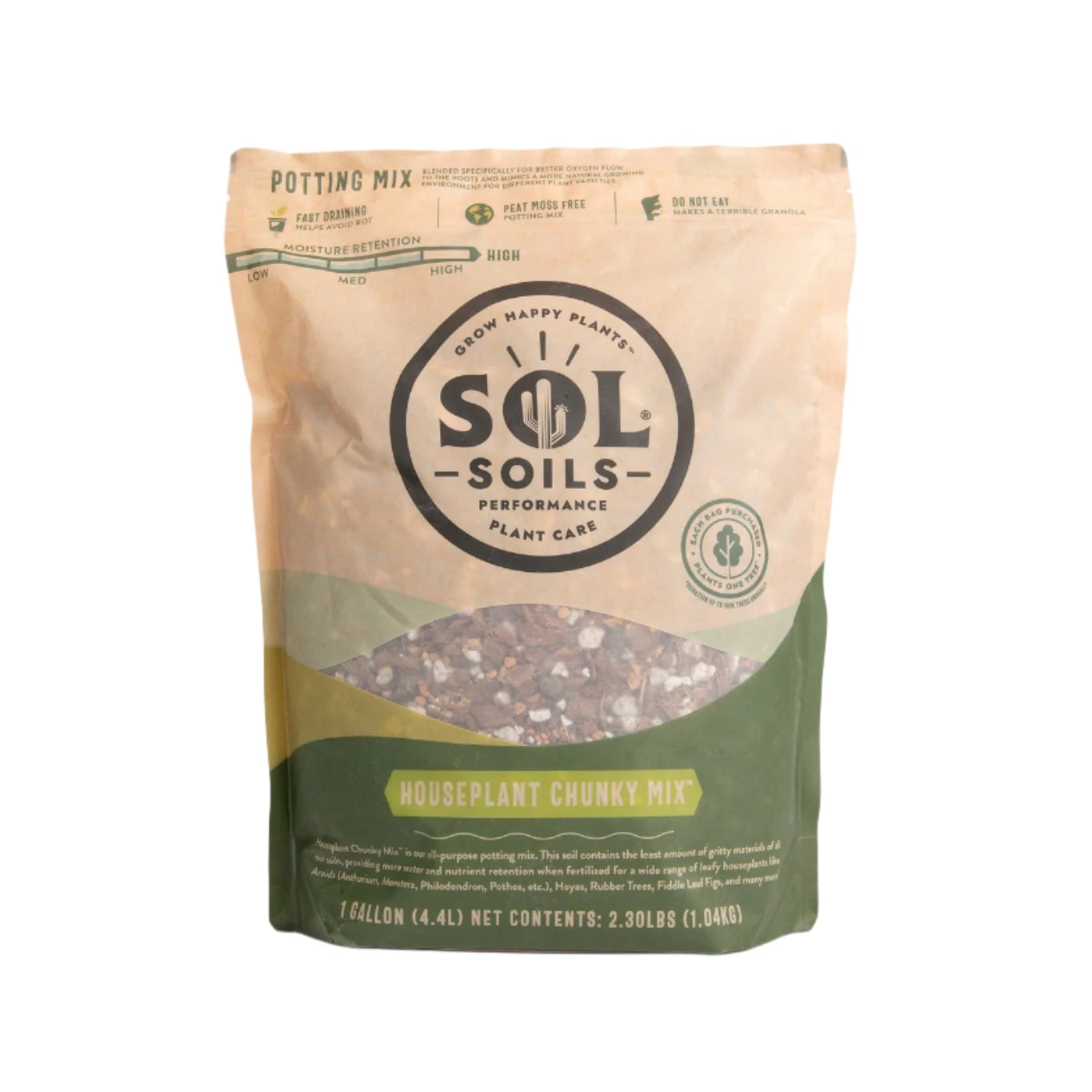
Growing houseplants successfully hinges on choosing the right potting mix. A quality potting mix not only provides essential nutrients but also enhances root health and facilitates proper water retention and drainage. With the right blend, houseplants can thrive, showcasing vibrant foliage and robust growth. Understanding the essential components of a houseplant potting mix can empower plant enthusiasts to create optimal environments for their indoor greens. This article delves into the critical elements of a superior potting mix and how each component contributes to the overall health of houseplants.
Core Components of an Effective Potting Mix
Creating an effective potting mix involves integrating various components, each serving a unique purpose. Below are the fundamental elements typically found in a quality potting mix:
- Organic Matter: Organic materials like composted bark, coconut coir, and peat moss provide essential nutrients and improve the soil’s structure. They also help in retaining moisture while ensuring adequate drainage.
- Mineral Additives: Perlite and vermiculite are often incorporated to enhance aeration and drainage. These minerals prevent soil compaction, allowing roots to breathe and grow uninhibited.
- Nutrient Supplements: Fertilizers are added to the mix to supply necessary nutrients. Slow-release fertilizers can be particularly beneficial as they provide a steady supply of nutrients over time.
- pH Balancers: Limestone may be included to adjust the pH levels, ensuring the environment is conducive for nutrient uptake by the plants.
Benefits of Using a Chunky Mix
A chunky potting mix, such as the houseplant chunky mix, is particularly advantageous for certain types of houseplants. This type of mix aids in preventing waterlogging by allowing excess water to drain more freely, which is critical for plants like succulents and orchids that prefer drier conditions.
- Enhanced Air Circulation: Chunky mixes promote better air circulation around the roots, preventing root rot and promoting healthy growth.
- Improved Drainage: The larger particles in a chunky mix facilitate swift water movement through the soil, reducing the risk of overwatering.
- Longer-lasting Structure: These mixes tend to break down more slowly, maintaining their structure and effectiveness over time.
To find out more about this approach and the specific plants that benefit from a chunky mix, consider exploring advanced guides and tips available from trusted sources.
Customizing Potting Mixes for Specific Plant Needs
Each houseplant species may require slight modifications to the standard potting mix to thrive optimally. Tailoring the mix to the specific needs of the plant can significantly enhance its health and growth.
- Succulents and Cacti: These plants prefer a potting mix with excellent drainage capabilities, often incorporating sand or grit to facilitate rapid water movement.
- Tropical Houseplants: These plants might require a mix with higher organic content to retain more moisture, mimicking their natural humid environments.
- Orchids: Often need a very loose, well-aerated mix, typically involving bark, charcoal, and perlite to support their unique root structures.
For those interested in crafting a mix tailored to specific plant types, learn about our tailored solutions and explore expert strategies here.
Conclusion
A quality potting mix is foundational to the health and vitality of houseplants. By understanding and selecting the appropriate components, plant enthusiasts can create an environment that mimics natural conditions, ensuring their plants not only survive but thrive. Whether opting for a pre-made mix or customizing one’s own, the key lies in balancing aeration, moisture retention, and nutrient supply. Explore advanced guides and tips to further enhance your understanding and application of potting mixes.