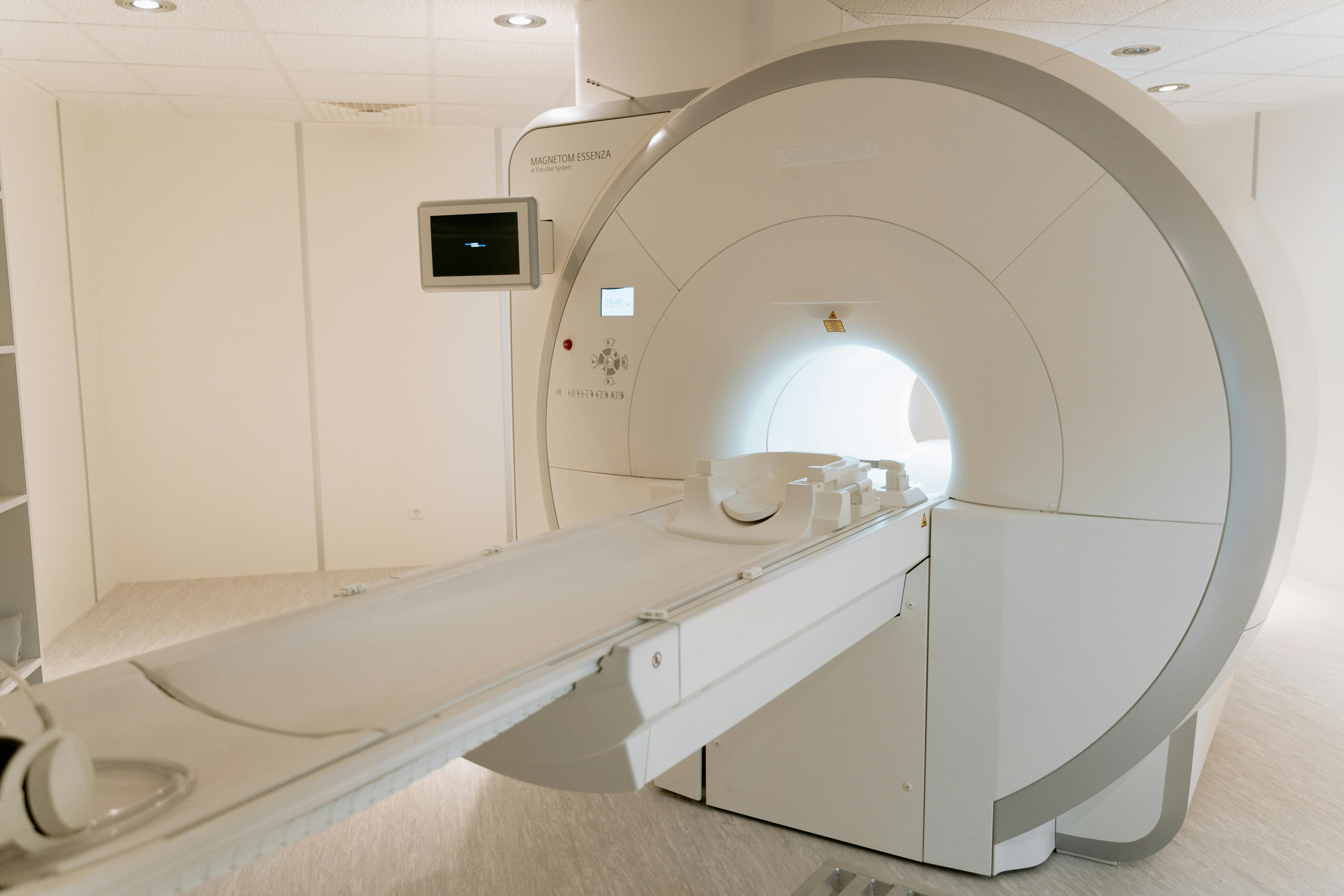
Nuclear medicine scans have emerged as a pivotal innovation in the realm of diagnostic imaging, offering unprecedented insights into the human body. By utilizing small amounts of radioactive materials, these scans provide detailed pictures of biological processes, allowing for early detection and precise treatment planning. As technology evolves, the integration of advanced diagnostic imaging techniques continues to enhance the capabilities of the medical field, revolutionizing how diseases are identified and managed.
Understanding Nuclear Medicine Scans
Nuclear medicine scans are a subset of medical imaging services that use radiopharmaceuticals to observe the inner workings of the body. Unlike traditional imaging techniques, such as X-rays or CT scans, which primarily illustrate anatomical structures, nuclear medicine focuses on functional information, providing a unique perspective on how organs and tissues are operating.
Types of Nuclear Medicine Scans
- Positron Emission Tomography (PET): This scan measures metabolic activity and is particularly useful in oncology for detecting cancerous growths.
- Single Photon Emission Computed Tomography (SPECT): Used primarily to examine blood flow to organs and tissues, aiding in the diagnosis of heart conditions.
- Bone Scans: Often used to identify bone diseases, fractures, infections, and tumors.
Benefits of Nuclear Medicine Imaging
The advantages of nuclear medicine imaging are multifaceted, providing critical information that enhances patient care. Key benefits include:
- Early Detection: Allows for the identification of diseases at a much earlier stage than traditional imaging methods.
- Personalized Treatment: Facilitates tailored treatment plans based on the specific metabolic and molecular characteristics of a patient’s condition.
- Non-Invasive: Offers a less invasive alternative to exploratory surgery.
Applications in Various Medical Fields
The scope of nuclear medicine scans extends across multiple medical disciplines:
- Oncology: Essential for staging cancer, evaluating treatment efficacy, and monitoring for recurrence.
- Cardiology: Assists in assessing myocardial perfusion and viability, providing insight into heart function.
- Neurology: Used in diagnosing neurological disorders such as Alzheimer’s disease by studying brain activity.
Technological Advancements in Radiology
The continuous evolution of radiology imaging services is driven by technological advancements, ensuring more accurate and faster diagnostics. Innovations like hybrid imaging systems, combining PET with CT or MRI, offer comprehensive insights by merging anatomical and functional data.
Future of Nuclear Medicine
The future of nuclear medicine is promising, with ongoing research focused on developing new radiotracers and improving imaging techniques. As nuclear medicine clinics adopt these innovations, the potential for personalized medicine and predictive diagnostics becomes increasingly attainable.
Conclusion
Nuclear medicine scans represent a significant leap forward in diagnostic imaging, providing invaluable functional data that enhances the detection and treatment of diseases. By offering insights that go beyond what conventional imaging can achieve, these scans are at the forefront of modern healthcare. With the continued advancement of radiological imaging services, the medical community is well-equipped to meet the growing demands for more precise diagnostics in the 21st century.