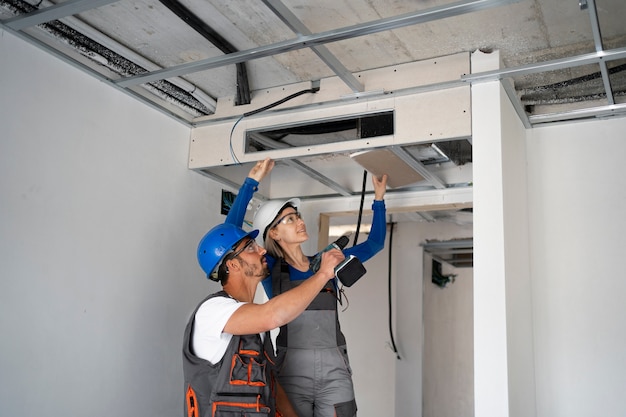
Mold growth can compromise indoor air quality, damage property, and pose serious health risks. Accurate detection and quantification of mold spores are essential steps in any remediation plan. Professional air sampling services provide the data needed to make informed decisions, prioritize interventions, and verify the effectiveness of remediation efforts. By integrating scientific testing with industry-best practices, property owners and managers can protect occupants, reduce liability, and maintain a healthy environment.
Why Air Sampling Is a Critical Component of Mold Management
- Objective measurement: Quantifies mold spore concentrations rather than relying on visual inspection alone.
- Identifies hidden growth: Detects mold in concealed cavities, HVAC systems, and other hard-to-reach areas.
- Guides remediation scope: Determines which areas need treatment and helps allocate resources efficiently.
- Verifies success: Post-remediation sampling confirms that spore levels have returned to acceptable limits.
Key Steps in a Professional Air Sampling Process
1. Pre-Sampling Assessment
Before any equipment is deployed, a thorough visual inspection is performed to locate potential moisture sources, visible mold, and high-risk zones. This assessment informs the placement of sampling devices for maximum relevance.
2. Sample Collection
Certified technicians use calibrated air samplers to draw a known volume of air through a collection medium (e.g., agar plates or filters). Samples are typically taken at breathing height and in both occupied and unoccupied spaces.
3. Laboratory Analysis
Collected media are sent to an accredited laboratory where cultures are grown, and mold species are identified. Results include colony-forming unit (CFU) counts, species identification, and comparison to outdoor reference levels.
4. Interpretation & Reporting
The data are interpreted by experts who consider indoor/outdoor differentials, building use, and health guidelines. A comprehensive report outlines findings, recommends remediation actions, and suggests post-remediation verification steps.
Benefits of Engaging Qualified Air Sampling Professionals
- Access to calibrated equipment and accredited laboratories.
- Interpretation by individuals trained in mycology and indoor air quality.
- Compliance with industry standards such as IICRC S520 and EPA guidelines.
- Documentation that supports insurance claims and legal compliance.
For a deeper dive into the methodology and standards applied during testing, Discover expert strategies here.
Integrating Air Sampling Into a Comprehensive Mold Management Plan
- Moisture Control: Fix leaks, improve ventilation, and maintain indoor humidity below 60%.
- Regular Monitoring: Schedule periodic air sampling, especially after water intrusion events.
- Targeted Remediation: Use sampling data to focus removal efforts on the most affected areas.
- Post-Remediation Verification: Conduct a follow-up sample to ensure spore levels are within safe limits.
When selecting a service provider, consider those that Learn about our tailored solutions. to match the specific needs of residential, commercial, or industrial properties.
Choosing the Right Partner for Air Sampling
Key criteria include:
- Certification and training of technicians (e.g., IICRC, NIOSH).
- Use of accredited laboratories for analysis.
- Transparent reporting with clear visual aids and actionable recommendations.
- Positive client feedback and documented success stories.
Potential clients can Check out customer reviews here to gauge satisfaction levels and reliability.
Future Trends in Air Sampling Technology
Advancements such as real-time PCR (polymerase chain reaction) testing, portable digital samplers, and AI-driven data interpretation are reshaping how mold is detected and managed. These tools promise faster results, higher sensitivity, and more precise identification of problematic species.
To stay informed about emerging methods, Explore advanced guides and tips.
Conclusion
Professional air sampling is not a luxury, it is a foundational element of effective mold management. By providing objective, science-based data, it empowers property owners to address mold proactively, allocate resources wisely, and verify that remediation efforts have succeeded. Incorporating regular air sampling into maintenance routines, selecting qualified specialists, and staying abreast of technological advances ensures indoor environments remain safe, healthy, and compliant with industry standards.