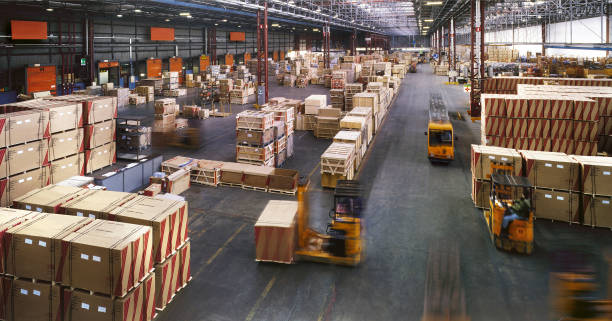
Global trade relies heavily on the efficient movement of goods, and export pallets play a crucial role in this process. Designed specifically for international shipping, export pallets are essential for ensuring that goods arrive at their destination safely and in good condition. Understanding the different types of pallets, materials used, and regulations involved can significantly impact logistics efficiency and cost-effectiveness.
What Are Export Pallets?
Export pallets are platforms used to support goods during transportation, typically made to comply with international shipping standards. These pallets are designed to optimize space and protect products, facilitating smooth handling and transportation across borders.
Types of Export Pallets
- Wooden Pallets: The most common type, known for durability and strength.
- Plastic Pallets: Lightweight and resistant to moisture and chemicals.
- Metal Pallets: Typically used for heavy goods or when hygiene is a priority.
- Paper Pallets: Eco-friendly and suitable for light loads.
Materials Used in Export Pallets
The choice of material for export pallets significantly influences their performance and suitability for specific goods and shipping conditions. Here”?s a closer look at the materials commonly used:
Wood
- Pros: Strong, widely available, and cost-effective.
- Cons: Susceptible to pest infestation and requires treatment.
Plastic
- Pros: Durable, reusable, and resistant to moisture and chemicals.
- Cons: Higher initial cost and less eco-friendly if not recycled.
Metal
- Pros: Extremely durable and suitable for heavy-duty applications.
- Cons: Expensive and heavier than other materials.
Paper
- Pros: Lightweight and environmentally friendly.
- Cons: Limited load capacity and less durable in wet conditions.
International Regulations and Standards
When dealing with export pallets, compliance with international regulations is critical. These regulations ensure that pallets meet safety and quality standards, reducing the risk of rejection at borders or during customs checks.
ISPM 15
The International Standards for Phytosanitary Measures No. 15 (ISPM 15) is a global standard aimed at preventing the spread of pests through wooden packaging materials. Key requirements include:
- Heat treatment or fumigation to eliminate pests.
- Marking pallets with an ISPM 15 stamp to indicate compliance.
Other Considerations
- Ensure the pallets fit the dimensions of the shipping containers.
- Understand the specific requirements of the destination country, as these can vary.
Benefits of Using Export Pallets
Utilizing export pallets offers several advantages that enhance logistics operations:
- Improved handling and storage efficiency.
- Reduced risk of product damage during transit.
- Compliance with international shipping standards.
- Streamlined customs clearance processes.
Choosing the Right Export Pallet
Selecting the appropriate export pallet involves evaluating several factors to ensure it aligns with shipping needs and regulatory requirements. Consider the following:
- Load weight and type of goods being shipped.
- Destination country regulations and standards.
- Environmental impact and sustainability goals.
- Budget constraints and long-term cost implications.
Conclusion
In the complex world of international logistics, export pallets are indispensable tools that facilitate the safe and efficient transportation of goods across borders. By understanding the different types, materials, and regulations associated with export pallets, businesses can enhance their shipping operations and ensure compliance with international standards. Selecting the right pallet type, considering factors such as material, size, and regulatory compliance, can lead to significant improvements in logistics efficiency and cost savings. For more detailed information on export pallets, it’s beneficial to consult industry resources and experts who can provide tailored guidance based on specific shipping needs.