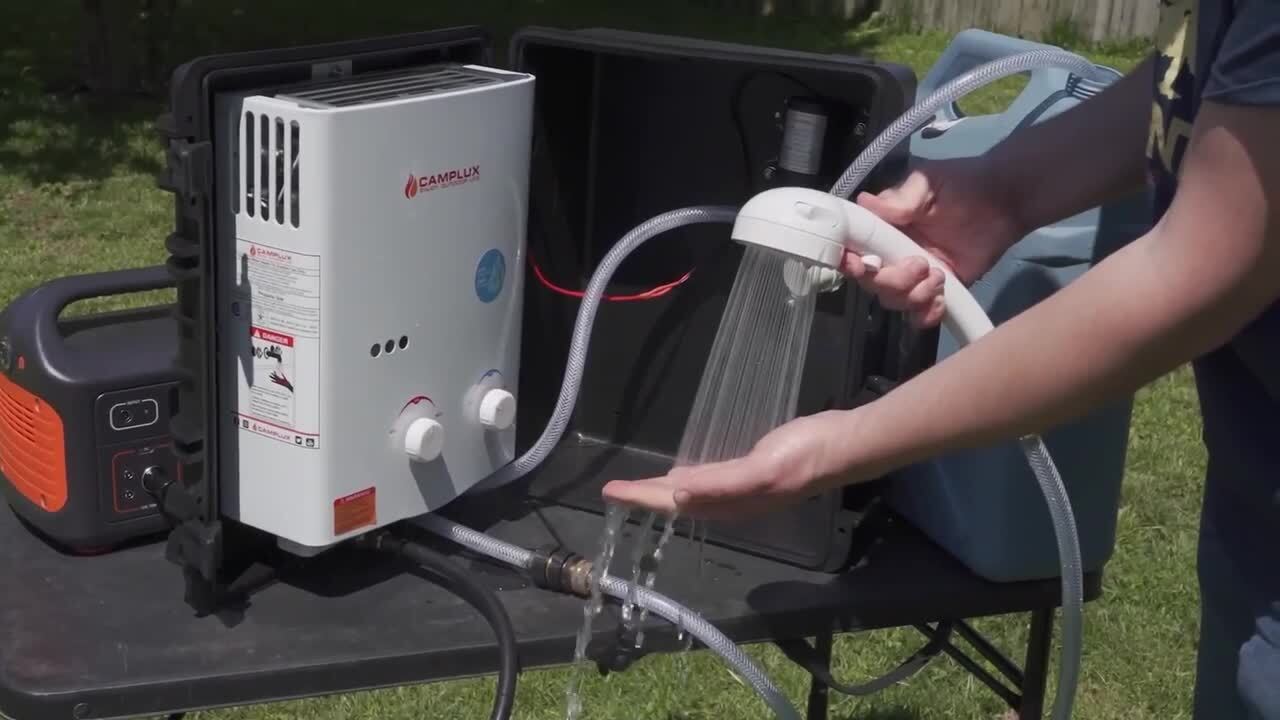
Portable water heaters have become an essential tool for those who crave the comfort of hot water on demand, whether they are camping in the wilderness, living in a tiny home, or simply needing a temporary solution for their hot water needs. These compact and versatile devices provide a convenient way to enjoy hot showers or wash dishes outdoors, without the need for a permanent installation. In this guide, the focus is on understanding how to select the best portable water heater for various needs, its functionality, and the benefits it offers.
Understanding Portable Water Heaters
A portable water heater is a compact, self-contained unit designed to heat water quickly and efficiently when traditional water heating solutions are unavailable. These devices are typically powered by propane, electricity, or batteries, making them highly versatile for different environments.
Types of Portable Water Heaters
- Propane-Powered: This type uses propane gas as a fuel source, ideal for outdoor activities such as camping and hiking. They are highly efficient and can heat water rapidly.
- Electric-Powered: These heaters require an electrical outlet and are great for indoor use where electricity is readily available.
- Battery-Powered: These are typically smaller units suitable for light usage and are perfect for scenarios where traditional power sources are unavailable.
Benefits of Using Portable Water Heaters
Portable water heaters offer numerous advantages, making them a popular choice for both outdoor enthusiasts and those seeking temporary water heating solutions.
- Convenience: These units provide hot water on demand, making them perfect for remote locations.
- Energy Efficiency: Many models are designed to maximize energy use, reducing the overall cost of operation.
- Compact and Lightweight: Easy to transport and store, portable water heaters can be carried to virtually any location without hassle.
- Versatile Applications: They can be used for showers, washing dishes, and even filling up portable hot tubs.
Key Features to Consider
When selecting a portable water heater, several key features should be taken into account to ensure the best fit for specific needs.
- Flow Rate: This determines how much hot water the unit can provide at one time. A higher flow rate is ideal for showering, while lower rates may suffice for washing dishes.
- Temperature Control: Look for models with adjustable temperature settings for user comfort and safety.
- Safety Features: Important features like automatic shut-off and flame failure devices ensure safe operation.
- Portability: Consider the weight and size of the heater, especially if it needs to be carried over long distances.
Installation and Maintenance
Installation of a portable water heater is generally straightforward, but there are a few guidelines to follow for optimal performance and safety.
Installation Tips
- Ensure all connections are secure and leak-free.
- Set up the unit in a well-ventilated area to prevent the buildup of harmful gases.
- Follow the manufacturer’s instructions for safe use and connection of power sources.
Maintenance Advice
Regular maintenance is key to ensuring longevity and safe operation of the unit.
- Regularly check for leaks and wear in hoses and connections.
- Clean the unit periodically to prevent buildup of sediment and debris.
- Store the heater in a dry place when not in use to prevent damage and corrosion.
Conclusion
Investing in a portable water heater can significantly enhance the quality of life for those who require a flexible and efficient water heating solution. By understanding the different types, benefits, and key features, users can make informed decisions that best suit their needs. Whether it’s for a camping trip or a temporary home setup, portable water heaters offer a versatile and reliable solution for all hot water needs.