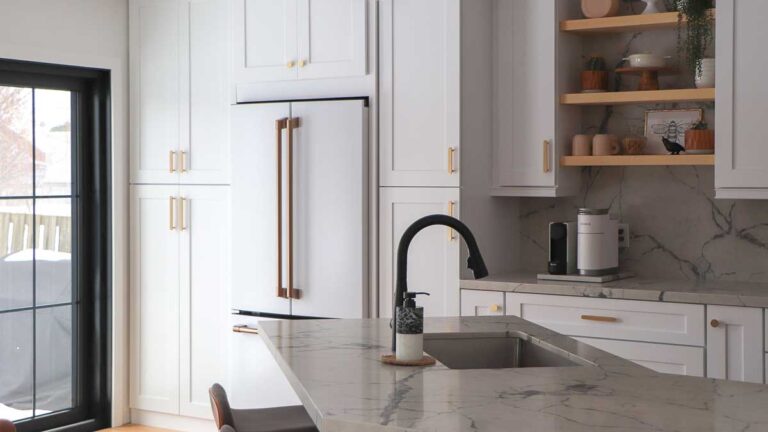
Transforming a kitchen into a functional and aesthetically pleasing space can significantly enhance the overall ambiance of a home. A custom kitchen design is not only about creating a beautiful environment but also about optimizing space to suit specific needs and lifestyle preferences. Incorporating elements that reflect individual tastes while ensuring practicality is a delicate balance, and achieving this requires careful planning and expert guidance. With the right approach, a kitchen can become the heart of the home, providing a space that is both inviting and efficient.
The Importance of Custom Kitchen Design
Custom kitchen design goes beyond mere aesthetics. It addresses the unique requirements of each household, ensuring the space is both functional and beautiful. Here are some reasons why custom design is essential:
- **Personalization:** Tailor the kitchen to match personal style and preferences, ensuring it complements the rest of the home.
- **Functionality:** Optimize layouts for maximum efficiency, allowing for smooth workflow and easy access to essential items.
- **Quality Materials:** Select materials that are durable and suit the specific needs of the household, ensuring longevity and ease of maintenance.
- **Increased Home Value:** A well-designed kitchen can enhance the overall value of a property, making it a worthwhile investment.
For more insights on customizing kitchen spaces, explore advanced guides and tips on how to effectively personalize your kitchen design.
Key Considerations for a Custom Kitchen
When planning a custom kitchen, several factors must be taken into account to ensure the space meets all functional and aesthetic needs:
Layout and Space Optimization
The layout is crucial for creating a functional kitchen. Consider the following:
- **Work Triangle:** Ensure the sink, stove, and refrigerator are placed in an efficient work triangle to facilitate easy movement during cooking.
- **Storage Solutions:** Incorporate innovative storage solutions to maximize space, such as pull-out pantries and custom cabinetry.
- **Open vs. Closed Layouts:** Decide between an open-plan design for a more social space or a closed layout for privacy and focused cooking.
Discover expert strategies here for optimizing kitchen layouts.
Material Selection
The choice of materials impacts both the look and durability of the kitchen:
- **Countertops:** Choose materials like granite, quartz, or marble for durability and aesthetics.
- **Cabinetry:** Opt for high-quality woods or modern materials like laminate for a contemporary look.
- **Flooring:** Consider the kitchen’s traffic and choose materials that are both stylish and resilient, such as tile or hardwood.
Learn about our tailored solutions for material selection to enhance your kitchen’s durability and beauty.
Lighting and Fixtures
Proper lighting and fixtures can transform the ambiance of a kitchen:
- **Task Lighting:** Implement under-cabinet lighting for focused illumination on work surfaces.
- **Ambient Lighting:** Use pendant lights or chandeliers to create a warm and inviting atmosphere.
- **Smart Fixtures:** Incorporate smart technology for convenience, such as motion sensor lights or touchless faucets.
Find out more about this approach to kitchen lighting and fixture selection to enhance functionality and style.
Conclusion
Crafting a custom kitchen design requires a thoughtful balance of style, functionality, and personal preference. By focusing on personalized layouts, quality materials, and effective lighting, homeowners can create a kitchen that truly serves as the heart of the home. Whether it”?s enhancing the aesthetic appeal or optimizing the space for better workflow, the possibilities are endless with custom kitchen design. For those interested in starting their journey, it is beneficial to engage with professional resources and explore expert insights and solutions tailored to individual needs.